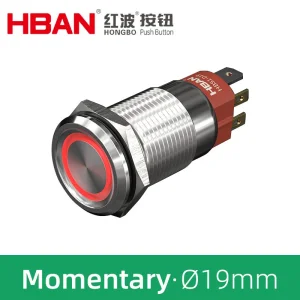
Winwon Chips
Winwon Chips
Winwon Chips
High-precision semiconductor nodes, active transducers, and custom passive components integrated by global sensor OEM manufacturers.
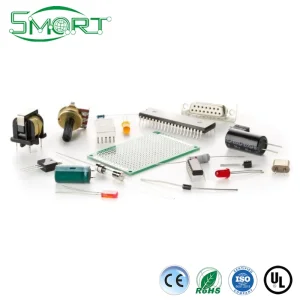
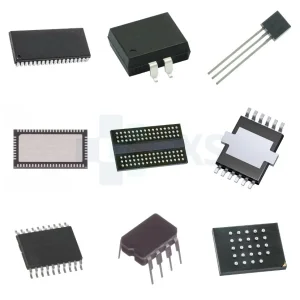
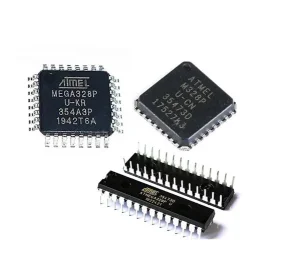 Irfp4568pbf Semiconductor Integrated Circuit Microcontrollers Voltage Regulators IC Chip Electronic Component
View Details →
Irfp4568pbf Semiconductor Integrated Circuit Microcontrollers Voltage Regulators IC Chip Electronic Component
View Details →
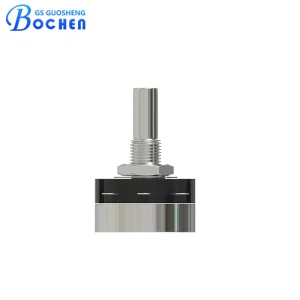 24mm Diameter Single Turn Tocos RV24yn 20s B102 B103 B502 Carbon Film Rotary Potentiometer
View Details →
24mm Diameter Single Turn Tocos RV24yn 20s B102 B103 B502 Carbon Film Rotary Potentiometer
View Details →
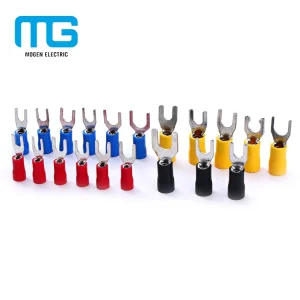 2024 Morgan Hot Selling Sv 5-6 Insulated Tin Plated Copper Full Wire Range Cable Wire Terminal Connectors
View Details →
2024 Morgan Hot Selling Sv 5-6 Insulated Tin Plated Copper Full Wire Range Cable Wire Terminal Connectors
View Details →
As the global community shifts toward rigorous ESG compliance, smart urban architectures, and the Industrial Internet of Things (IIoT), the demand for highly reliable environmental sensors has experienced exponential growth. Modern environmental telemetry is no longer confined to isolated temperature and humidity readings. Today's commercial ecosystems require integrated multi-variable arrays capable of detecting Volatile Organic Compounds (VOCs), particulate matter (PM2.5/PM10), hazardous gases, and differential pressure under extreme environmental conditions.
To achieve this, Tier-1 system integrators and engineers depend on a highly specialized supply chain of custom OEM environmental sensors. Sourcing these instruments relies heavily on robust underlying electronic components—including precision analog microcontrollers, solid-state switching components (such as NPN transistors and SCR thyristors), high-voltage capacitors for filtering EMI, and rugged temperature transmitters. Without component-level integrity, field-deployed environmental sensors suffer from calibration drift, thermal instability, and premature node failure.
Yingchuang Technology, situated at the epicenter of electronics hardware in Futian, Shenzhen, serves as a mission-critical bridge. By combining global electronic component distribution with OEM sensor customization, we ensure that sensor manufacturers can access the high-performance materials and passive/active devices needed to construct zero-drift telemetry nodes for industrial, automotive, and municipal deployments.
Optimized sensor platforms tailored for global industrial application scenarios and environmental telemetry.
Integration of environmental sensor arrays into commercial building management systems (BMS). Using NTC thermistors, digital relative humidity sensors, and NDIR CO2 sensors to automate ventilation, dramatically cutting carbon footprints while maintaining optimal air hygiene.
Reliable telemetry systems deployed in chemical manufacturing plants, mines, and refineries. Designed with explosion-proof housings, using redundant microcontrollers and galvanic isolation components (such as fast SCR thyristors) to guarantee continuous monitoring of explosive or toxic environments.
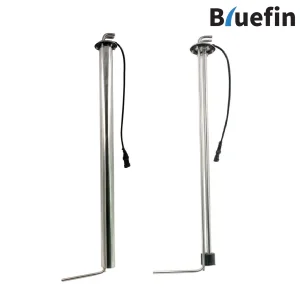
Ruggedized soil moisture, ambient light, and liquid level transmitters. Utilizing highly protective IP68 materials and stainless steel water/oil tank transmitters to offer precision tracking for reservoirs, automotive generator sets, and smart agricultural matrices.
The global demand for environmental sensing technologies is shifting from localized diagnostic testing to continuous cloud-integrated data telemetry. Driven by policies such as the European Union’s Green Deal and the EPA's clean air mandates, major manufacturers and exporters must now adhere to standardized telemetry formats. Sensors must feature robust field bus communication protocols, including Modbus RTU, CAN bus, and wireless standards like LoRaWAN or NB-IoT.
Crucially, the heart of these communication nodes is populated by advanced semiconductor microcontrollers and active/passive electronic networks. As a leading partner in this ecosystem, Yingchuang Technology addresses the critical pain points of custom OEM exporters. We mitigate shortages of key components, including precision operational amplifiers, high-voltage ceramic capacitors, crystal oscillators, and latching relays, which often halt production lines for multinational OEMs. By maintaining deep stocks of original components, we keep global environmental sensor manufacturing operations running efficiently.
To design an environmental sensor system capable of operating continuously in hostile conditions, engineers rely on structured electronic sub-assemblies:
In telemetry installations exposed to lightning strikes and high static discharge, such as meteorological towers and oil refineries, integrating components like the 102k 1000V high-voltage ceramic disc capacitor is vital. These components act as robust surge suppressors, preventing premature sensor failure and reducing field maintenance overhead.
For custom environmental sensor exporters, international standard compliance is mandatory. Shipments targeting the European Economic Area require strict RoHS (Restriction of Hazardous Substances) and REACH compliance. This mandates that every single active and passive electronic component, including NPN transistors, terminal connectors, and integrated circuits, be completely lead-free. Additionally, sensors deployed in dangerous environments must secure ATEX or IECEx certifications, confirming they will not ignite volatile atmospheric gases.
Furthermore, local technical support and calibration facilities are key vectors for scaling sales. Our systems support custom field-calibration adjustments, allowing technicians to zero-out baseline drift caused by atmospheric contaminants. This ensures long-term field stability for multi-year industrial operations.
The next frontier of environmental sensor engineering lies in Edge AI. Instead of raw data transmission, next-generation sensors will execute on-device feature extraction using low-power microcontrollers. This reduces bandwidth requirements by transmitting only anomalous readings. By integrating local intelligence, environmental monitoring arrays can actively adapt to ambient conditions, entering deep-sleep cycles to conserve power and wake up dynamically when gas concentrations or temperature gradients spike.
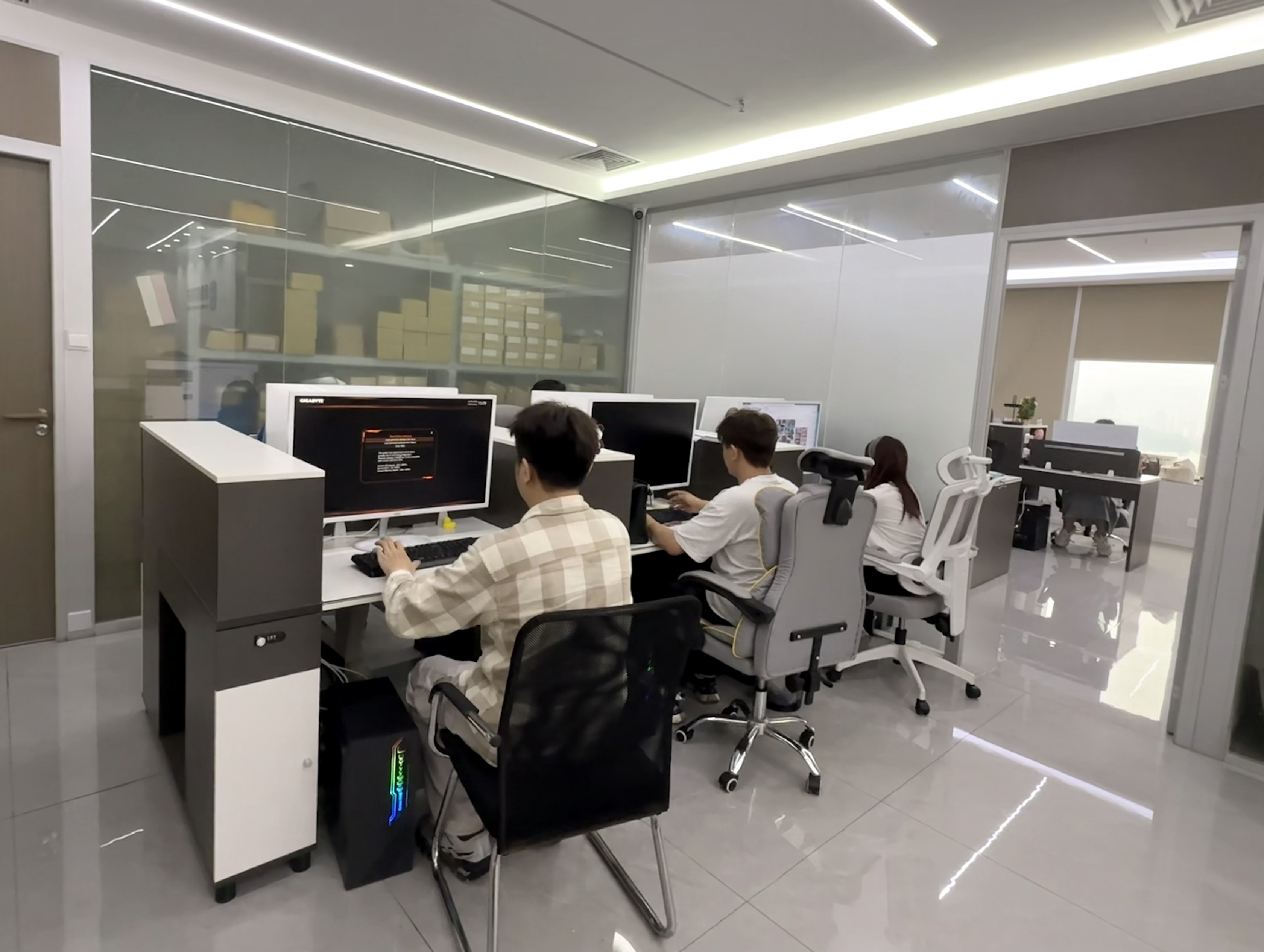
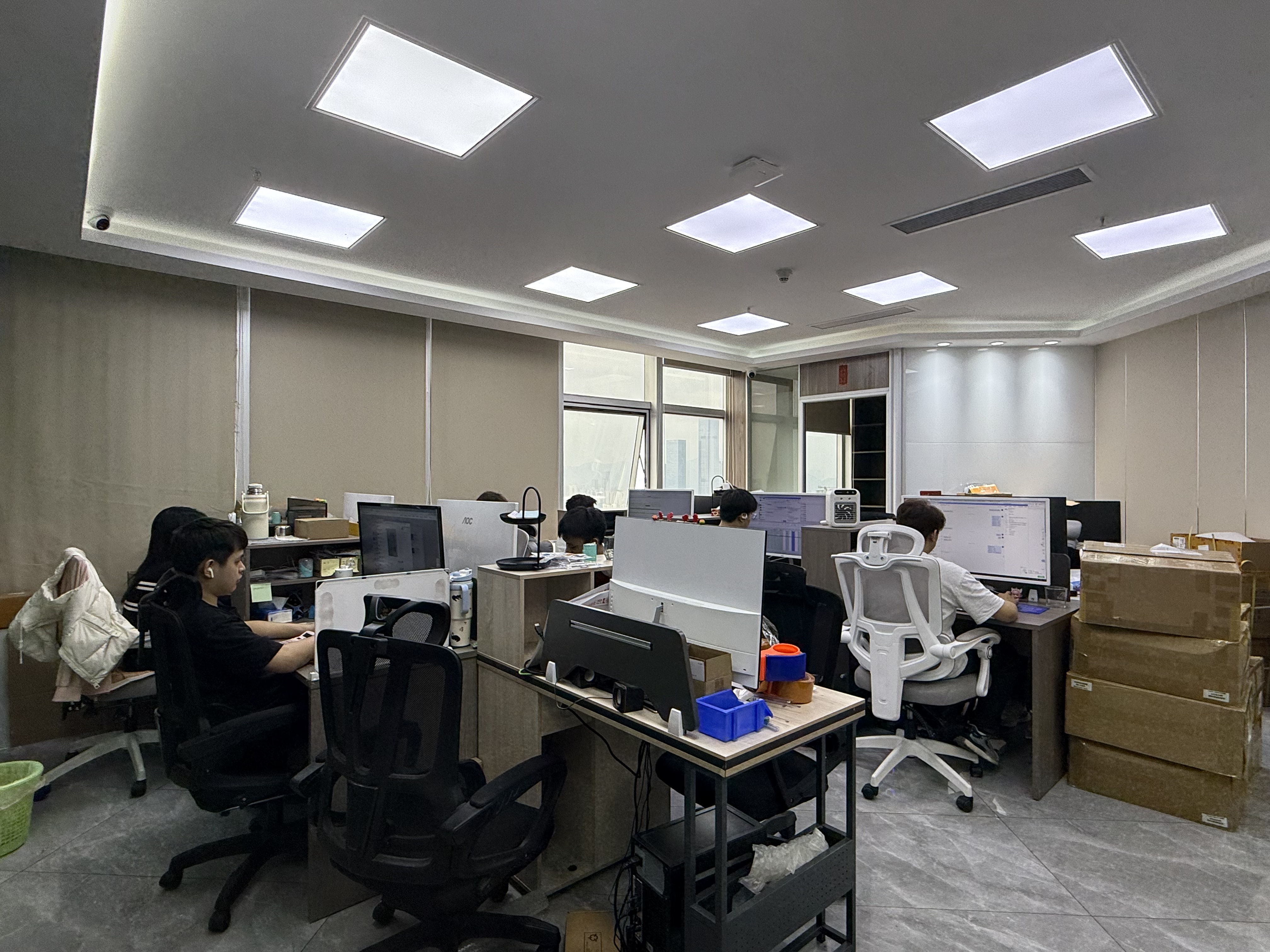
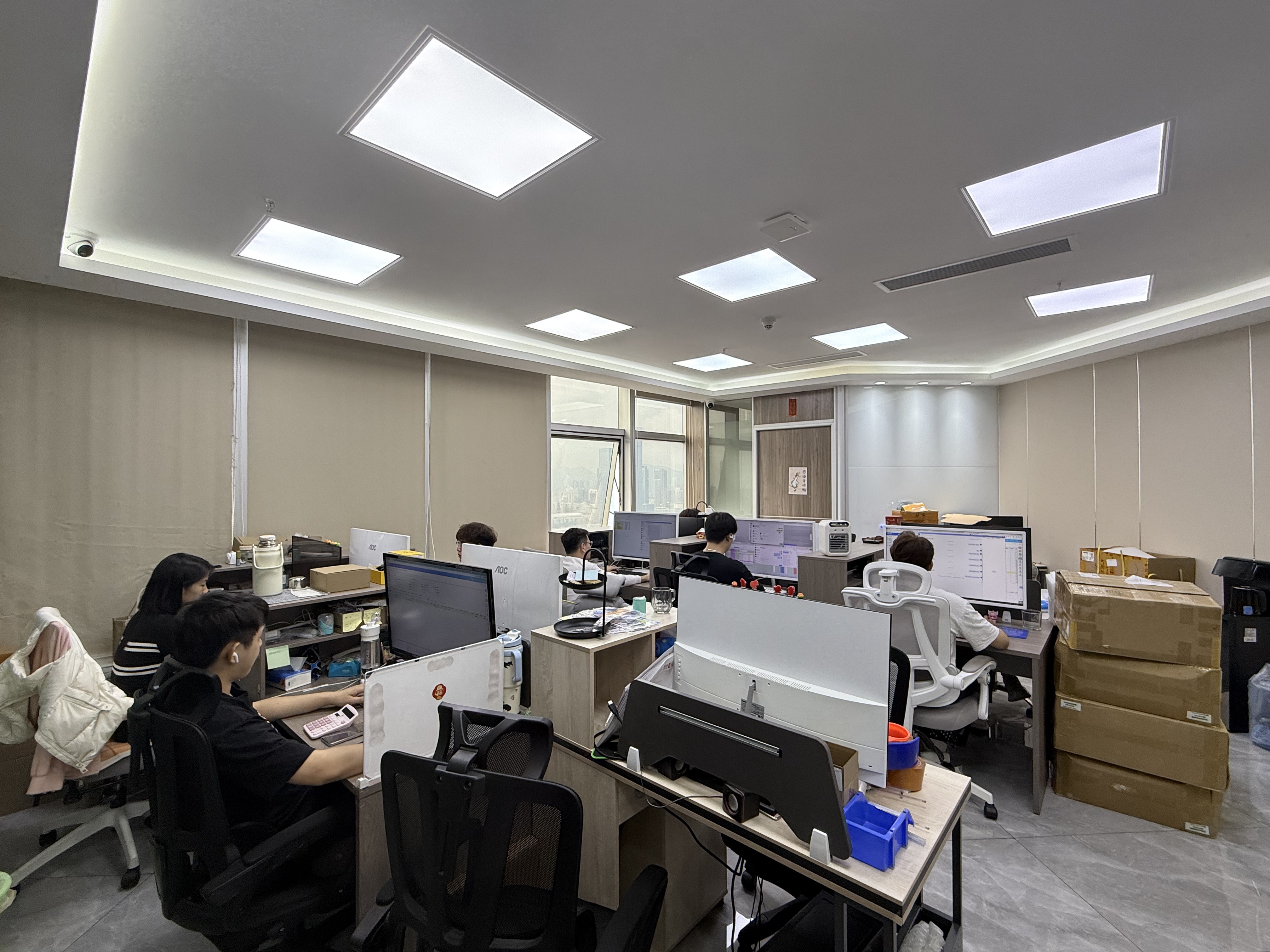
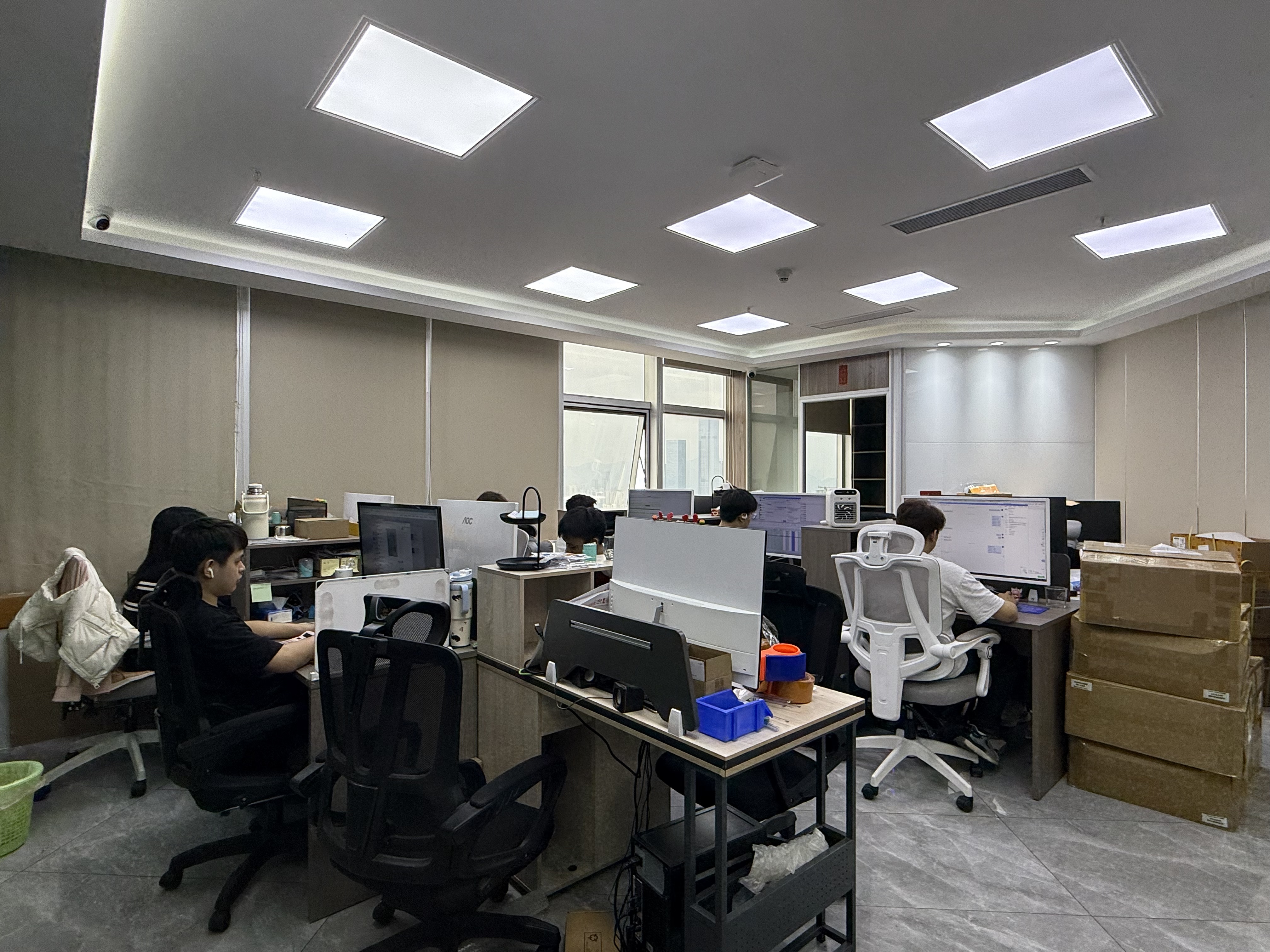
Yingchuang Technology: Supporting global industrial OEM supply chains from our headquarters in Futian District, Shenzhen.
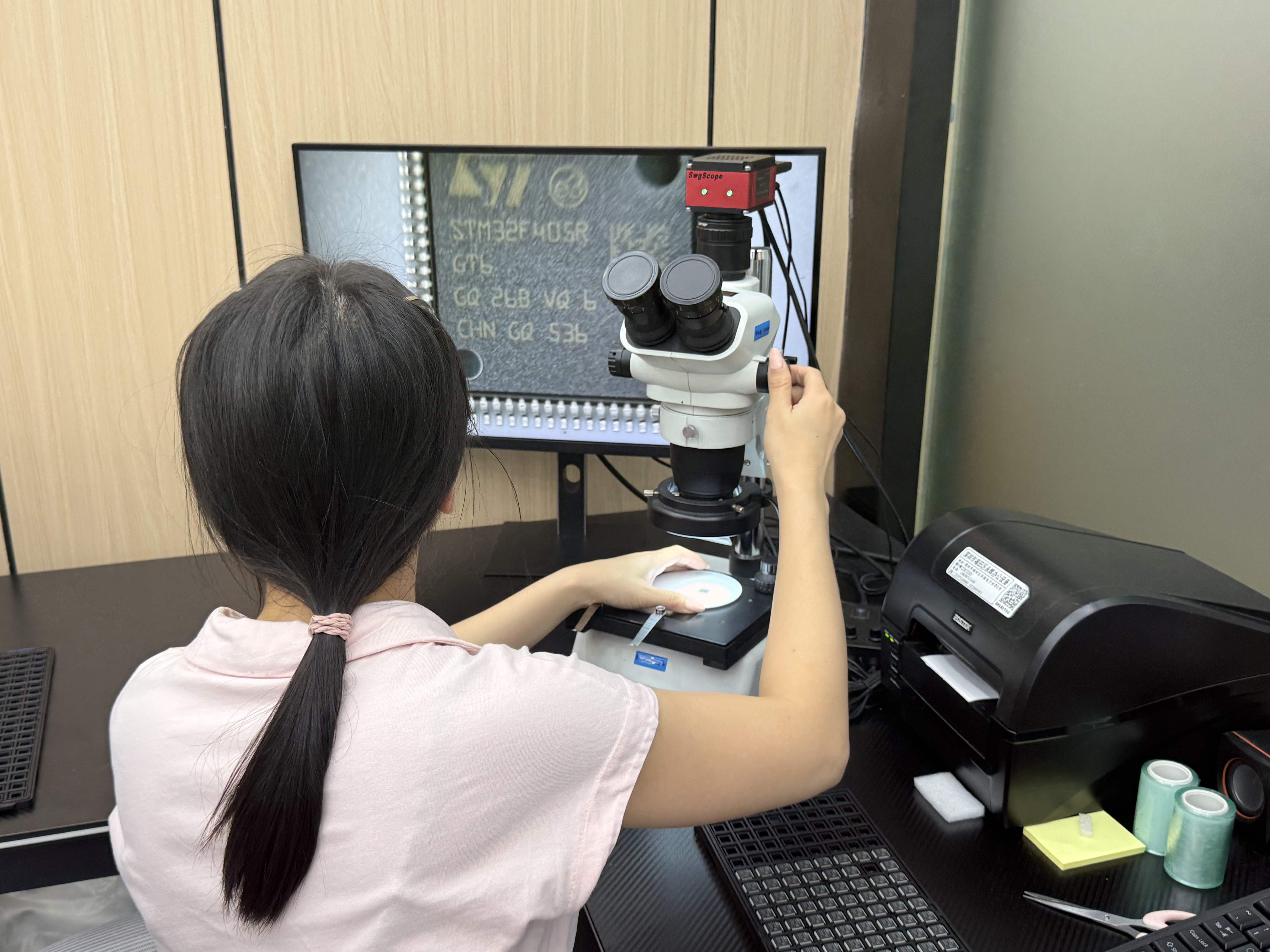
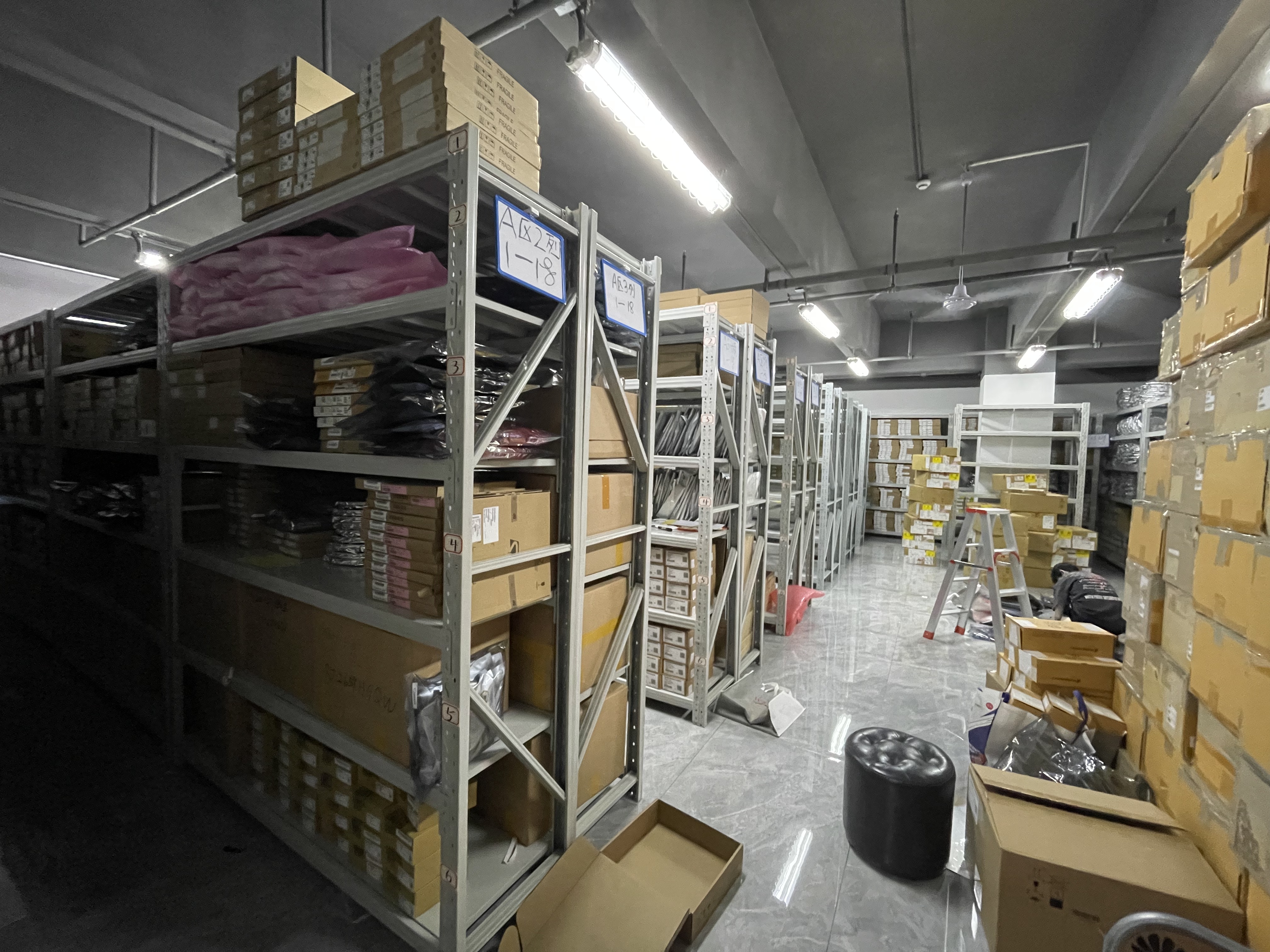
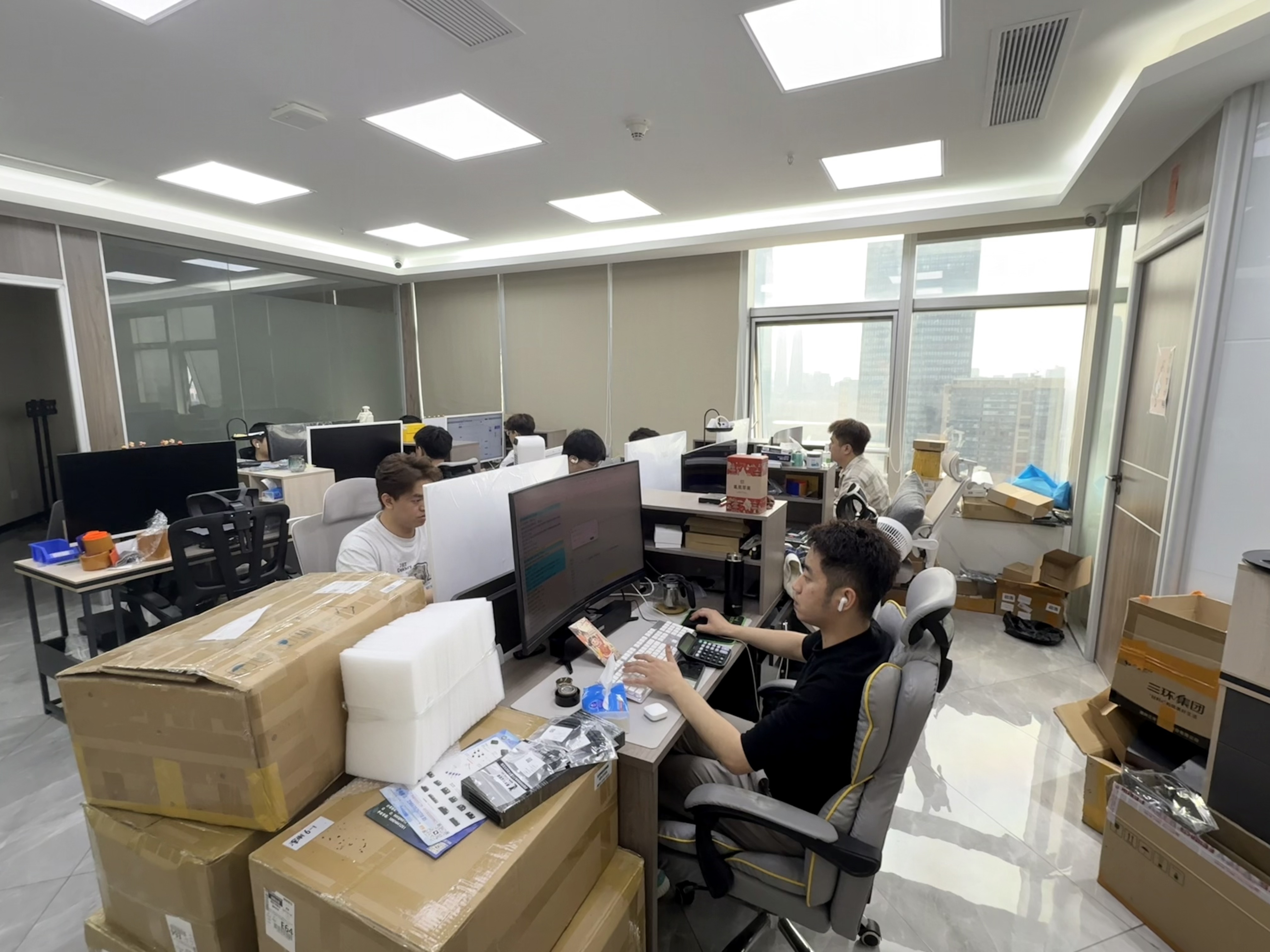
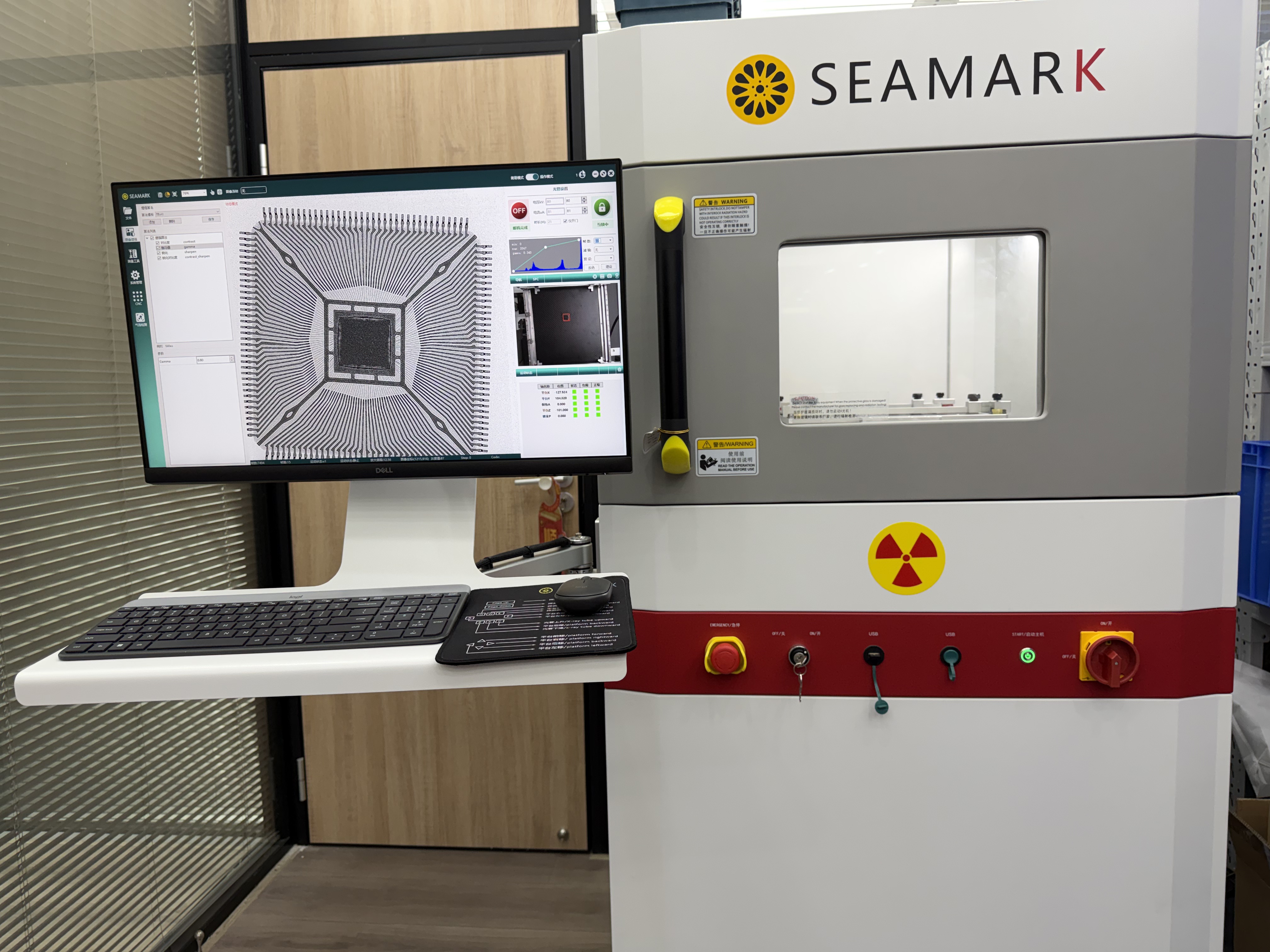
Yingchuang Technology is a highly specialized international trading company and supply chain partner focused on electronic components. Strategically headquartered at Room 904, Metropolitan Building, No. 3018 Shennan Avenue, Futian District, Shenzhen, Guangdong Province, China, we serve as a central supply hub for global manufacturers, distributors, and OEM/ODM companies. We specialize in sourcing, verifying, and distributing active integrated circuits (ICs), transistors, diodes, capacitors, resistors, and connectors. By offering strict component quality inspection, component matching, and flexible logistics channels, we ensure that manufacturers of complex environmental sensors can source genuine parts and sustain high-volume production with absolute reliability.
Answers to critical design, supply, and compliance questions from OEM/ODM engineers.
Verified components, active IC chips, and transmitters for sensor signal conditioning and automation systems.