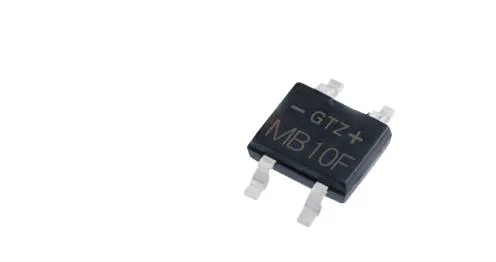
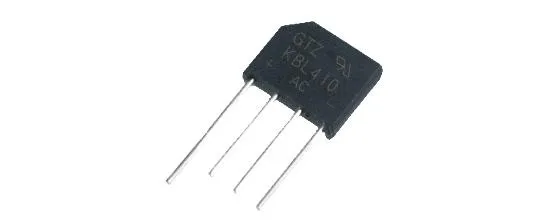
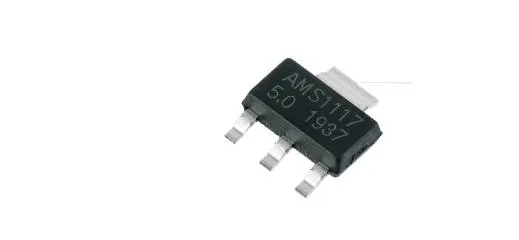
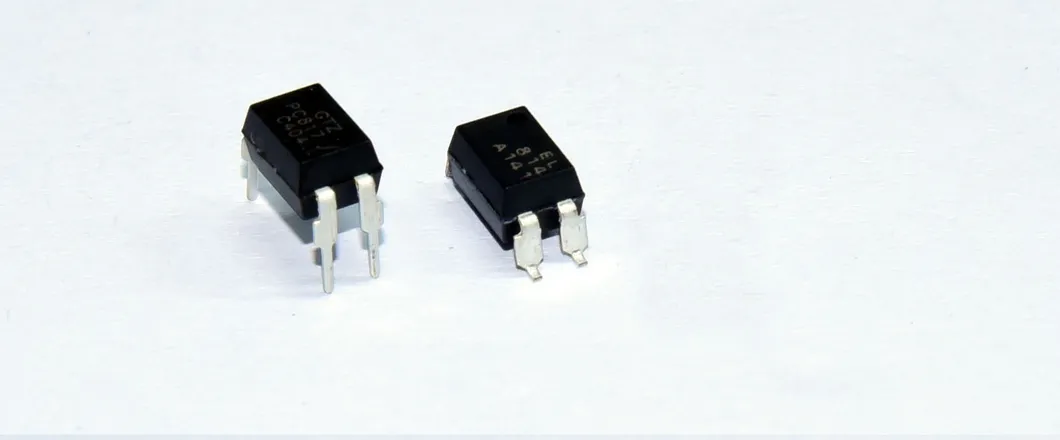
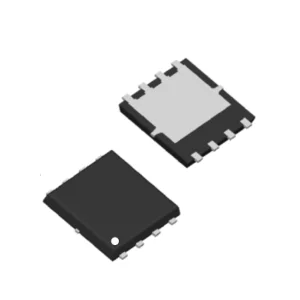
| Type |
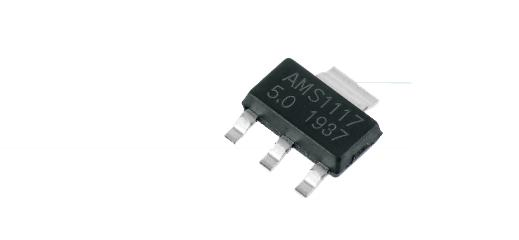
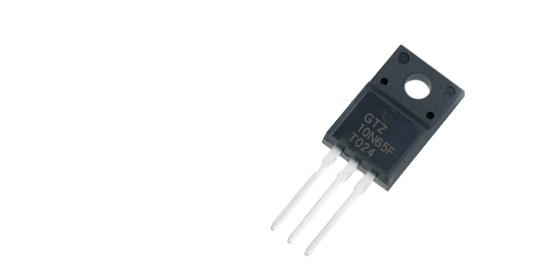
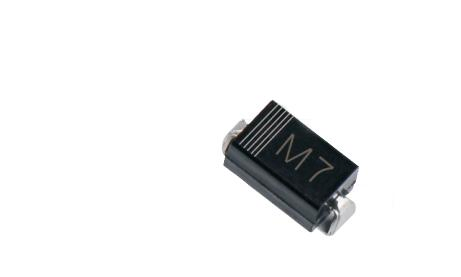
All kinds for your references |
| Application |
Electronics industry: electronic devices... |
| Package |
DIP-4 |
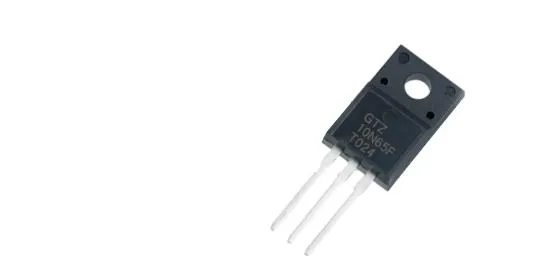
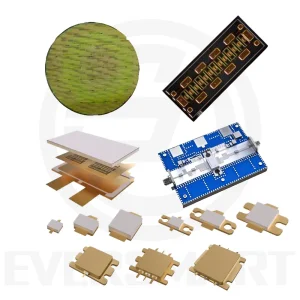
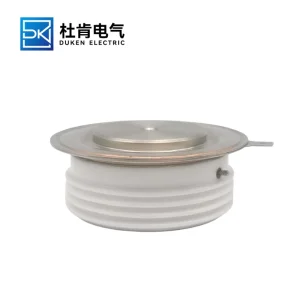
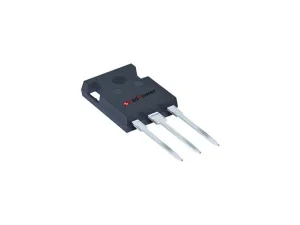
Semiconductor discrete devices refer to individual components made from a single or several semiconductor materials that can perform specific electronic functions without the need for additional auxiliary devices. These devices possess the capability to operate independently, differentiating them from integrated circuits where multiple devices work together to achieve a specific function.
Classification
- Diodes: Composed of P-type and N-type semiconductor materials, commonly used for rectification, phase-locked loops, voltage regulation, and protection circuits.
- Transistors: With three distinct regions (emitter, base, and collector), transistors can function as amplifiers, switches, or filters.
- Field-Effect Transistors (FETs): Used for amplification, switching, and current regulation, FETs offer high input impedance and low noise performance.
- Transient Protection Devices: These devices protect circuits from high voltage and current spikes over short durations.
Characteristics and Advantages
- Miniaturization: Small size facilitates integration into various electronic devices.
- Low Power Consumption: Consumes less energy during operation compared to traditional components.
- High Efficiency: Exhibits high efficiency in power conversion and management.
- Design Flexibility: Engineers can select and combine devices based on specific requirements.
Applications
Semiconductor discrete devices are widely used in various sectors due to their unique properties:
- Power Management: Controlling current and reducing energy in fast-switching circuits.
- Automation Control: Regulating circuits, infrared sensors, and temperature controllers.
- Communication Equipment: Signal processors, modulators, and frequency converters.
- Automotive Electronics: Engine control, lighting, and safety functions.
- Other Areas: Computers, industrial automation, and consumer electronics.
Frequently Asked Questions
What is the difference between discrete devices and integrated circuits?
Discrete devices are individual components that perform a single function independently, whereas integrated circuits combine multiple components on a single chip to perform complex tasks.
What are the main advantages of using DIP-4 packaging?
DIP-4 (Dual In-line Package) offers easy through-hole mounting on circuit boards, providing mechanical stability and reliable electrical connections for electronics industry applications.
Are these semiconductor devices RoHS compliant?
Yes, all our semiconductor discrete devices meet RoHS certification standards, ensuring they are free from hazardous substances.
In which industries are these SVD components typically used?
They are widely utilized in consumer electronics, automotive systems, industrial automation, power management, and communication equipment.
What makes these devices "high efficiency"?
Their design focuses on low power consumption and optimized power conversion, which reduces heat generation and energy loss during operation.
Can these devices be used for signal processing?
Yes, they are designed for analog and digital composite signal processing, acting as modulators, demodulators, and frequency converters.
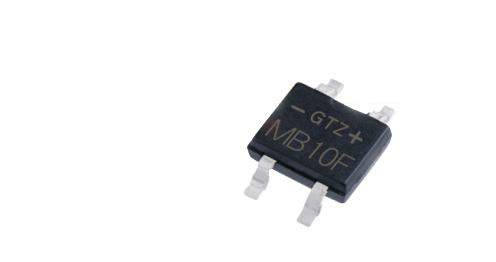
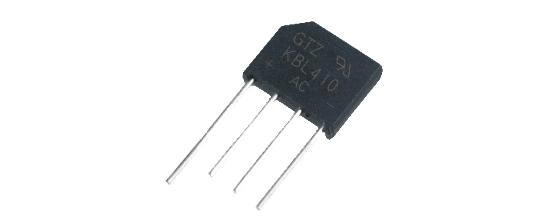
 Winwon Chips