Winwon Chips
Winwon Chips
Winwon Chips
Yingchuang Technology distributes a premium selection of high-frequency wireless components, integrated circuits, and core system modules. Discover our specialized inventory sourced from top-tier fabrication plants and authorized lines:
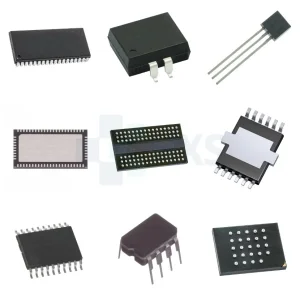
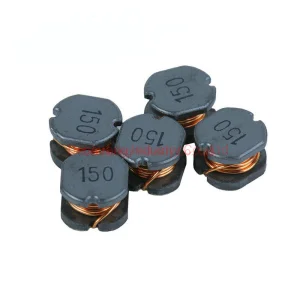
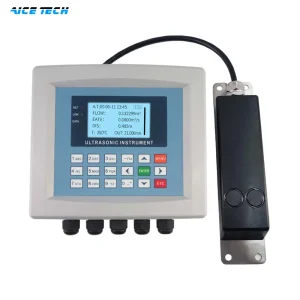

Wireless transceivers act as the core sensory and communication hubs for modern machine networks, processing trillions of complex radio frequency (RF) iterations every second. Over the last decade, wireless transceivers have evolved from single-protocol modules to multi-band, software-defined radio (SDR) silicon chipsets. These innovations are reshaping the industrial landscape, shifting operations toward ultra-reliable low-latency communication (URLLC), massive machine-type communication (mMTC), and enhanced mobile broadband (eMBB).
By transitioning from traditional Gallium Arsenide (GaAs) substrate fabrication to Silicon Germanium (SiGe) and Gallium Nitride (GaN), factories achieve much higher power-added efficiencies at millimeter-wave frequencies.
Dynamic spectrum utilization, cognitive radio access, and programmable RF front-ends are replacing hard-wired analog circuits. This allows modules to switch from sub-GHz bands to high-gigahertz bands via firmware updates.
Advanced RF transceiver units deployed in extreme environments must meet rigorous IP67/IP68 ingress ratings and handle operating temperatures from -40°C to +85°C, ensuring continuous performance in sub-zero or heavy manufacturing settings.
Modern global logistics require strict component validation to mitigate counterfeit risks and stabilize supply chains. OEM/ODM buyers, design engineers, and systems integrators face complex decisions when sourcing active RF elements, digital signal processors (DSPs), logic-programmable arrays (FPGAs/CPLDs), and power-conditioning circuits. Standardizing Bill of Materials (BOM) components is crucial to prevent factory downtime.
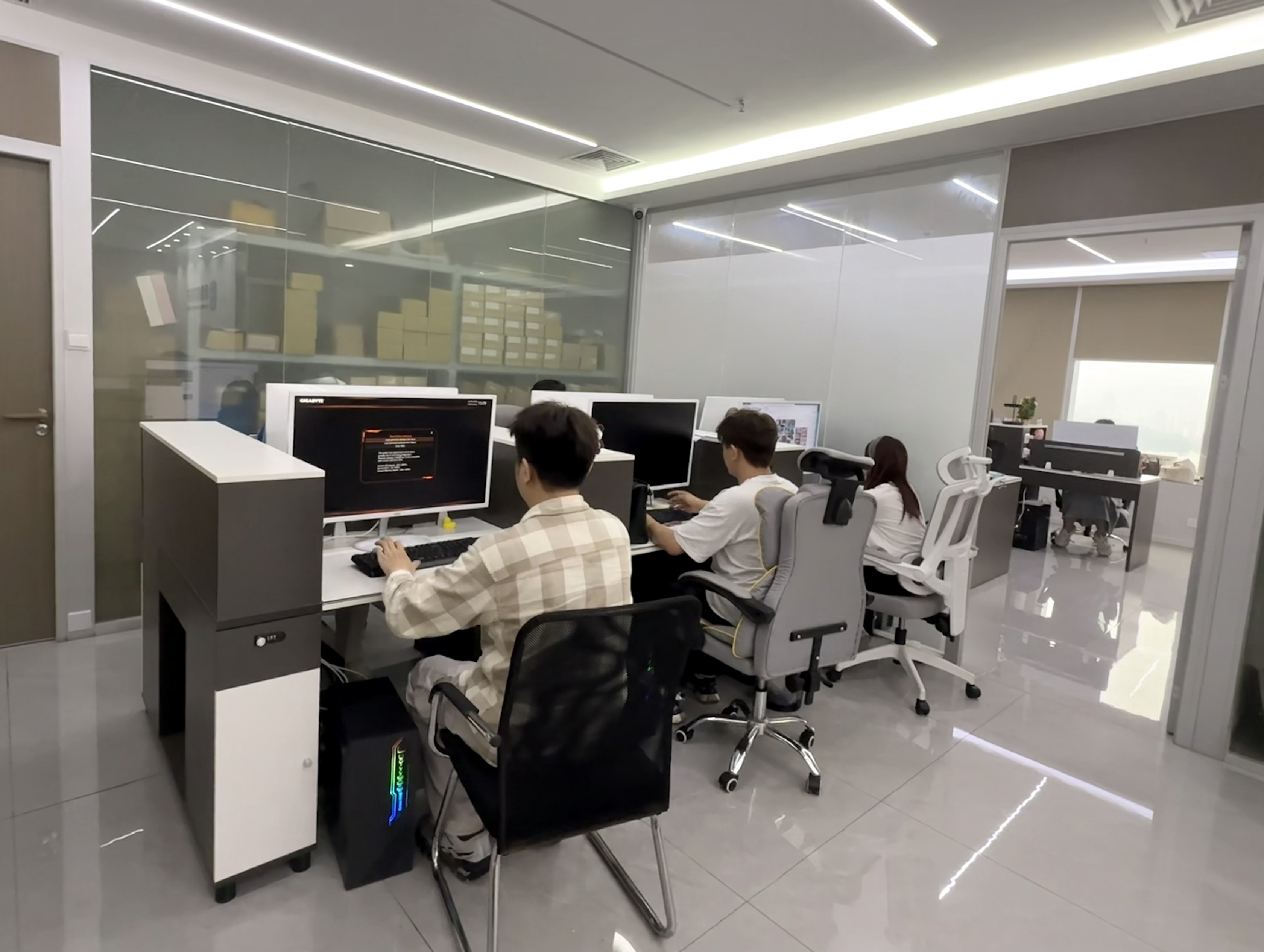
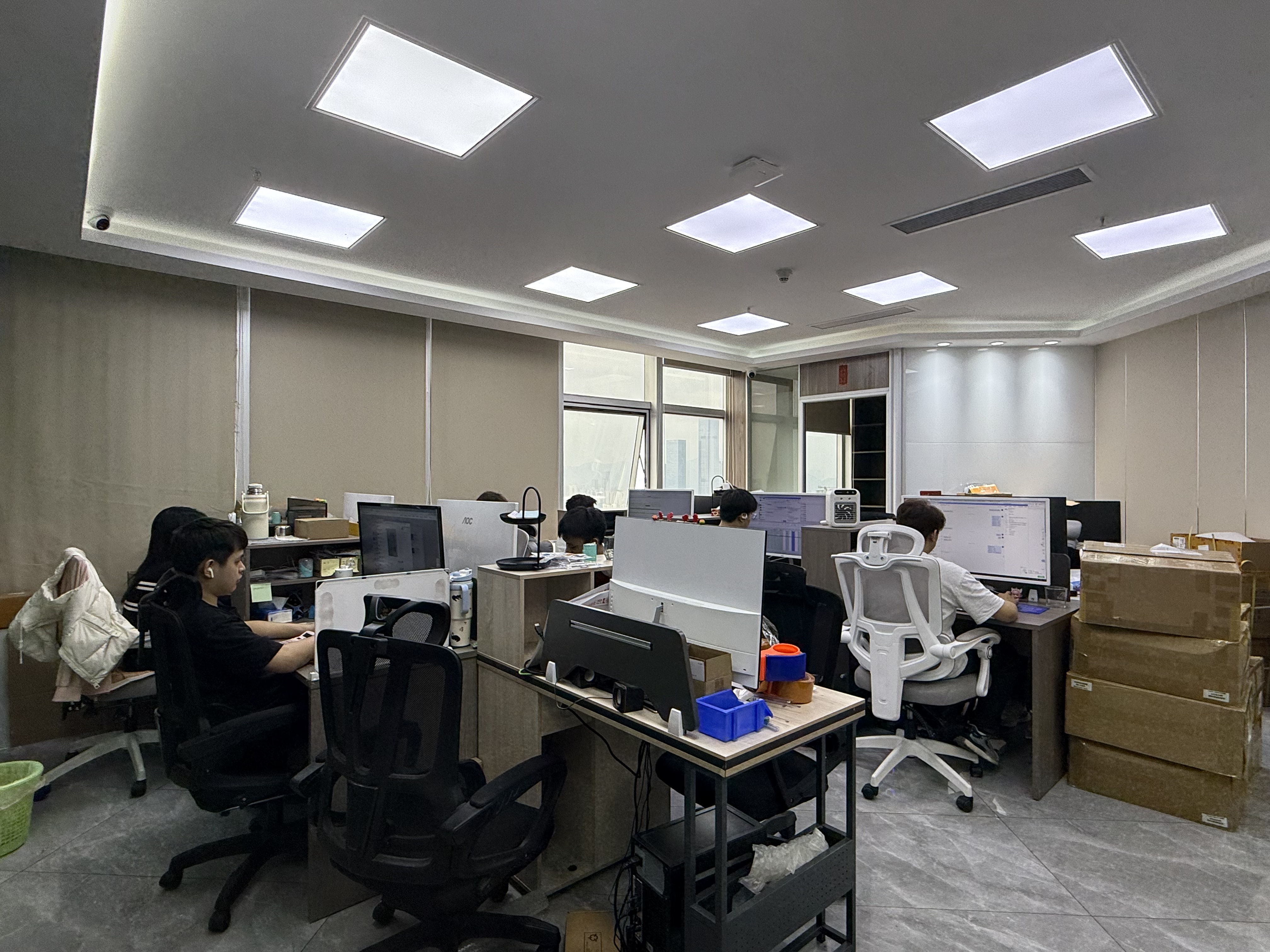
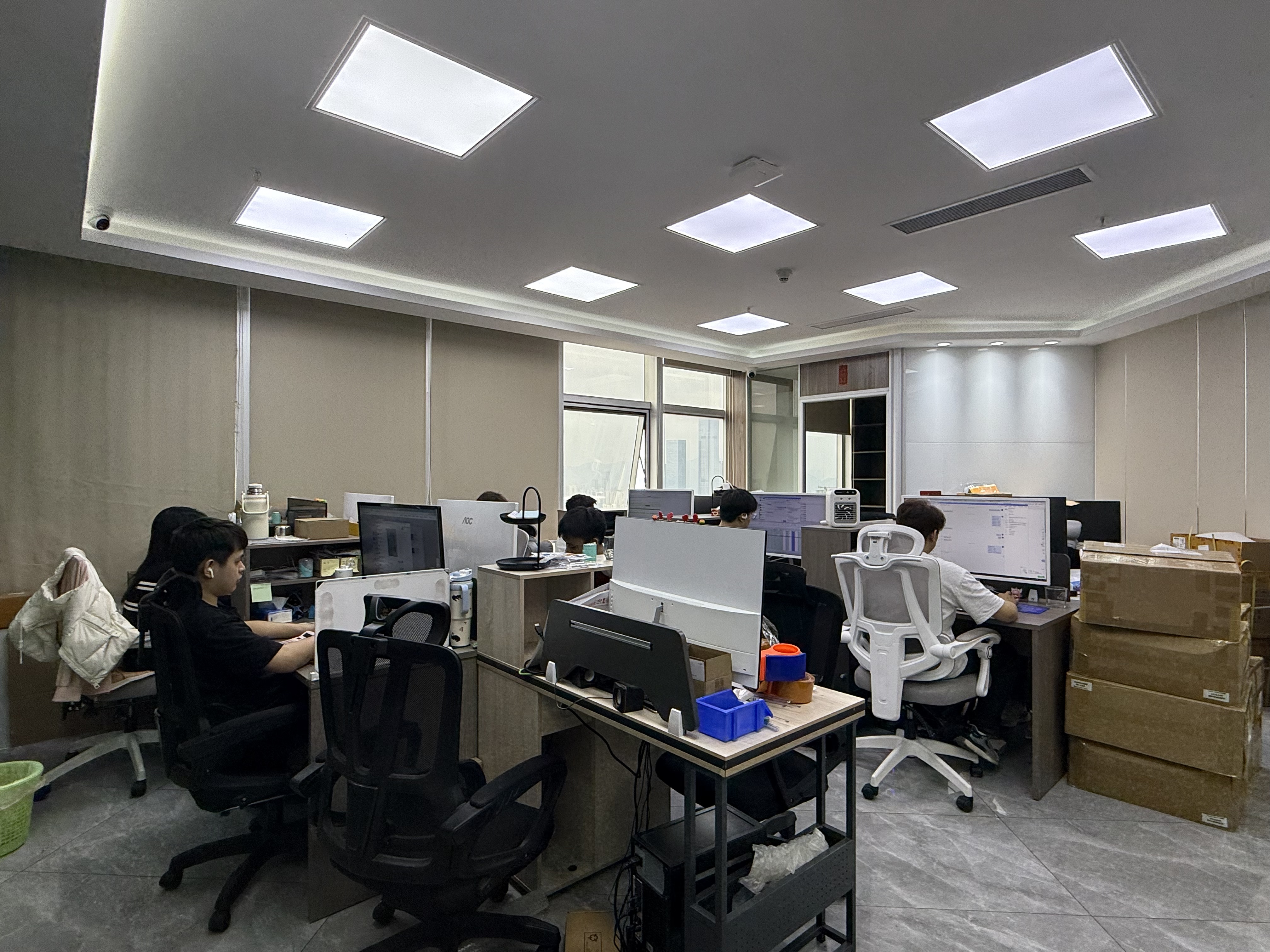
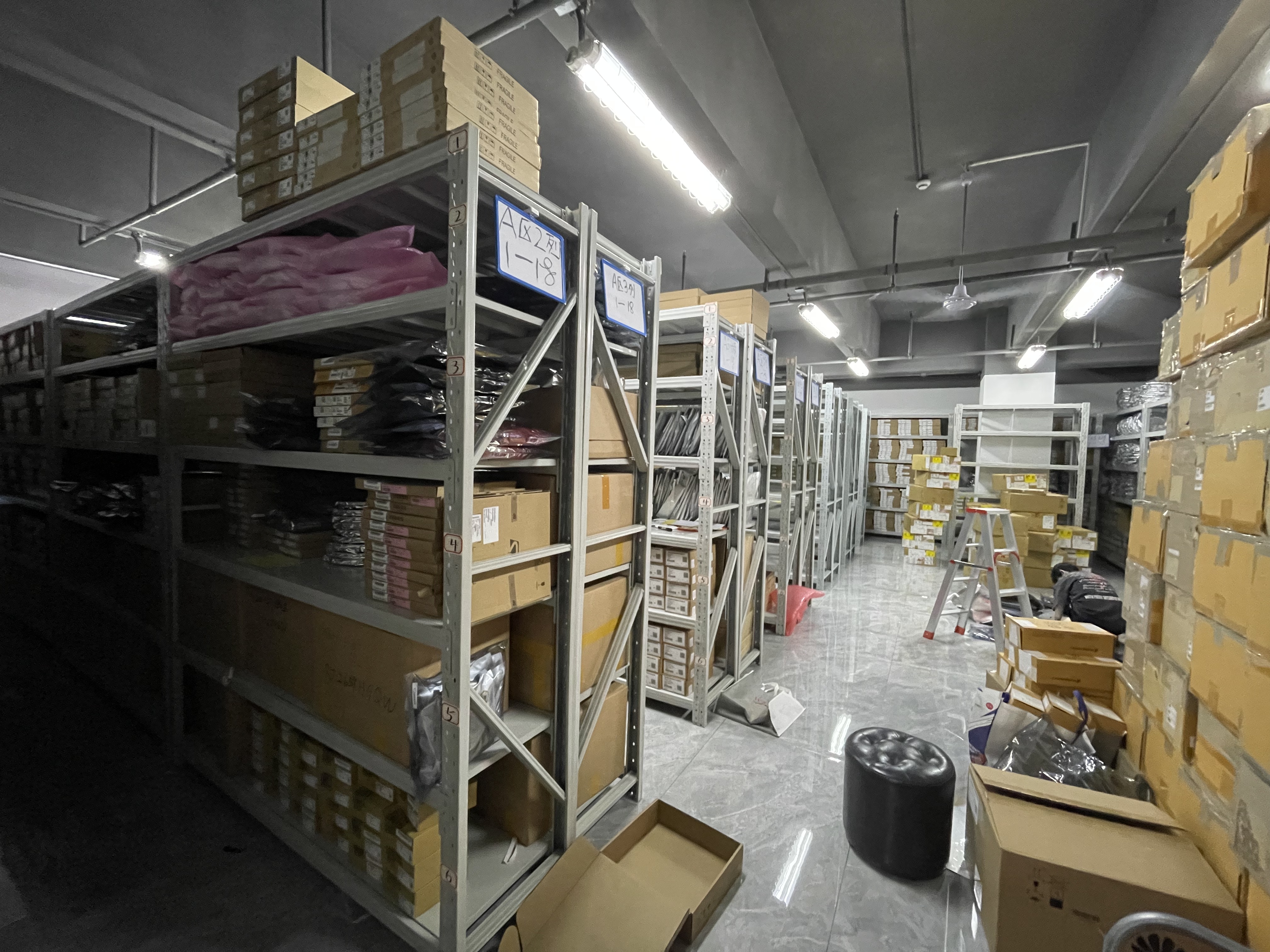
Global supply chain volatility has made secure component sourcing essential. The key to mitigating disruptions lies in establishing relationships with distributors who maintain extensive regional warehouse networks. Our logistics infrastructure in Futian District, Shenzhen, connects global clients directly to key production centers, ensuring access to original active semiconductor stock even during peak demand.
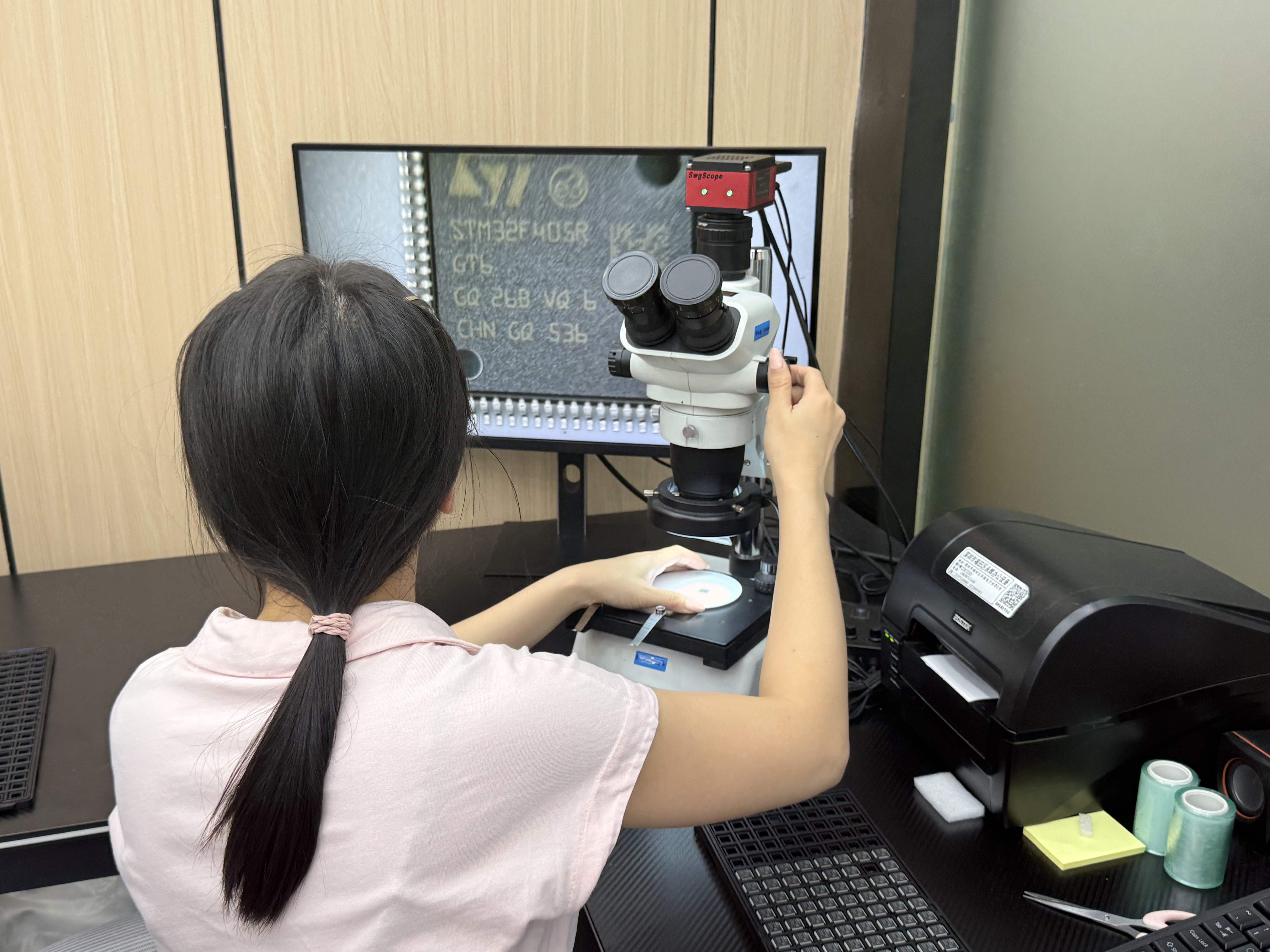
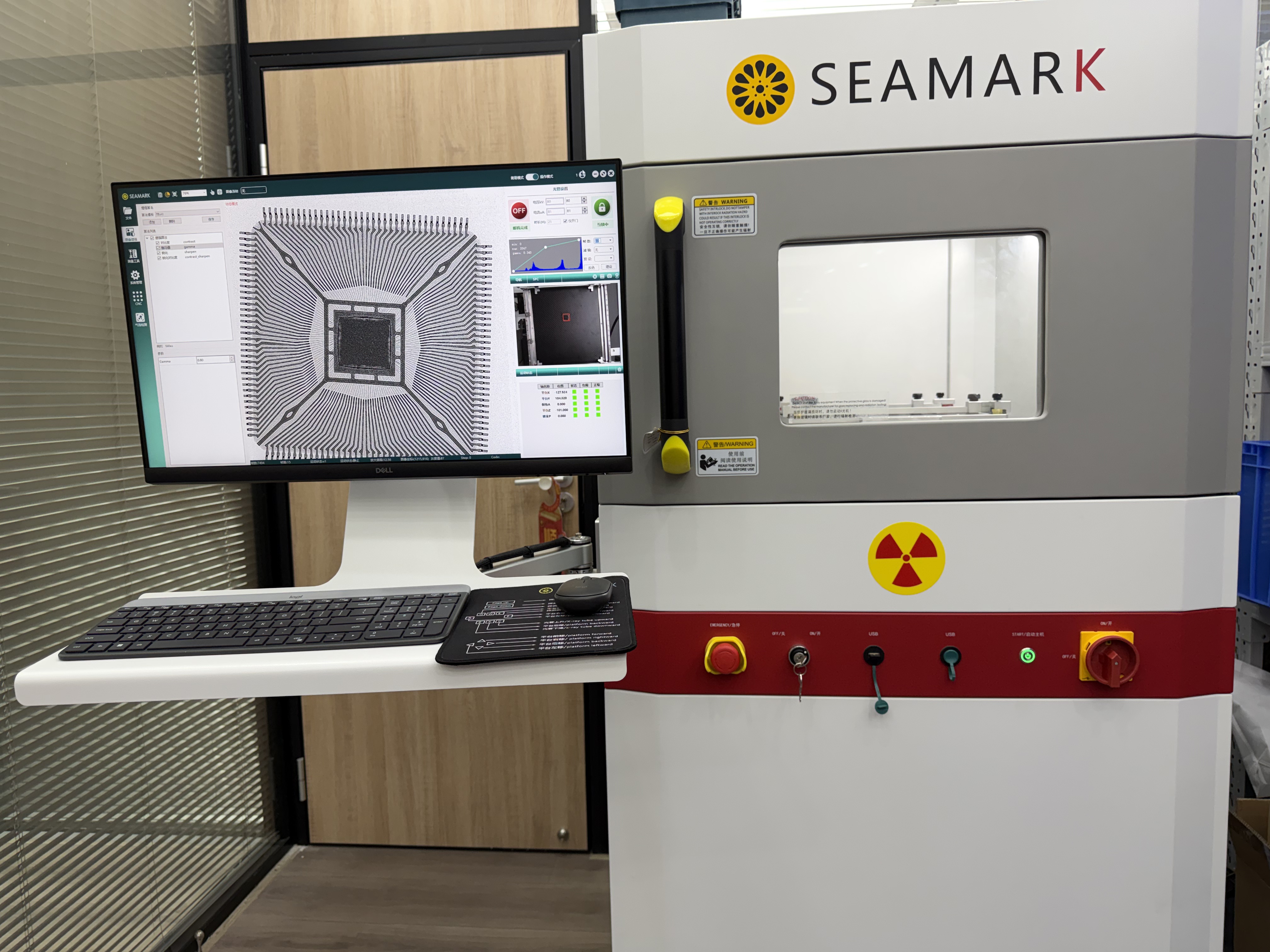
Every batch of high-frequency chips, voltage regulator ICs, and microcontrollers undergoes extensive quality validation. We track components from wafer fab origins through strict testing frameworks (including automated optical inspection, X-ray scanning, and parametric curve analysis). This ensures full compliance with industrial engineering standards and helps prevent field failures in critical systems.
Industrial components must operate reliably across diverse enterprise ecosystems. From municipal water telemetry to high-power energy grids, selecting the right silicon and magnetic components is critical to system performance.
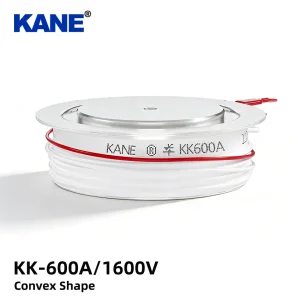
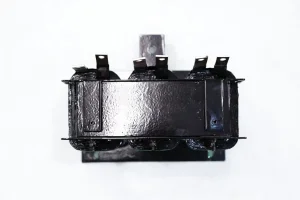
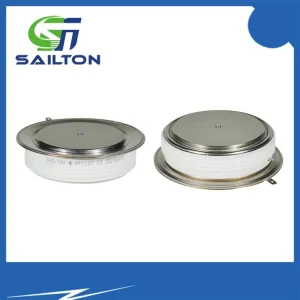
High-power SCR thyristor rectifiers and customized three-phase filter reactors stabilize power factor correction and filter out harmonics. These components enable heavy-duty converters and medium-frequency furnaces to operate without disrupting nearby control networks.
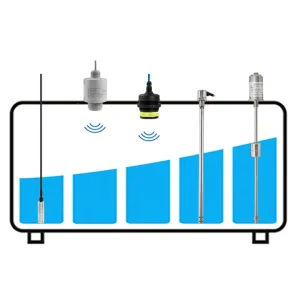
Ultrasonic flow sensors and hydrostatic level transmitters communicate flow rates and liquid volumes back to central PLCs via analog loops (4-20mA/0-10V) or Modbus systems, allowing operators to monitor remote storage tanks in real time.
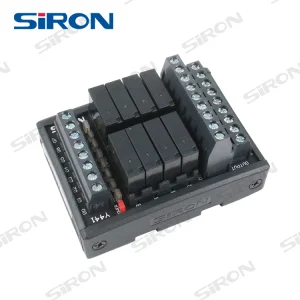
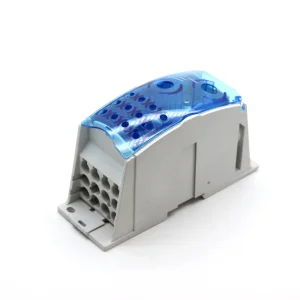
Industrial-grade UKK terminal boxes, high-density magnetic modules, and signal relay units organize signal routing and power distribution inside PLC cabinets. This isolates delicate transceivers from voltage surges and ground loops.
Operating a global supply chain requires adherence to international standards. Because radio frequencies cross international borders, hardware must comply with strict national regulations. We manage end-to-end documentation, testing protocols, and compliance filings for our clients.
All active electronic components, transceivers, and controller microchip kits must comply with local spectrum regulations, including FCC Part 15, CE RED (Radio Equipment Directive), and IC (Industry Canada) guidelines. Ensuring compliance at the board level prevents interference issues during final integration.
Yingchuang Technology enforces strict compliance with RoHS (Restriction of Hazardous Substances) and REACH directives. Our components are sourced through fully documented channels, guaranteeing material safety and environmental compliance for global markets.
As communication networks transition from 5G to 6G architectures, transceiver design is moving toward higher frequency spectrums, integrated sensing, and lower system latency.
Future transceivers will operate at sub-terahertz frequencies, enabling data transfer rates up to 100 Gbps. These speeds will support real-time holographic data transmission and advanced vehicle-to-everything (V2X) communication networks.
Next-generation transceivers will natively support orbital satellite links. This ensures continuous, global connectivity for deep-sea instrumentation, cargo tracking, and remote research stations.
Embedded AI processors on transceiver chips dynamically monitor signal noise and ambient interference. This allows the hardware to adjust impedance and filtering in real time to optimize link reliability.
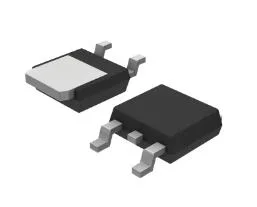
We source and distribute a wide range of semiconductors, active switches, and passive magnetic components. Review the secondary selection of our specialized inventory below:
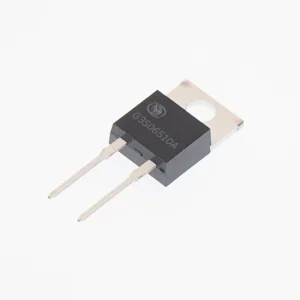

Find answers to common technical, design, and sourcing questions about high-frequency wireless transceivers and active semiconductor components.
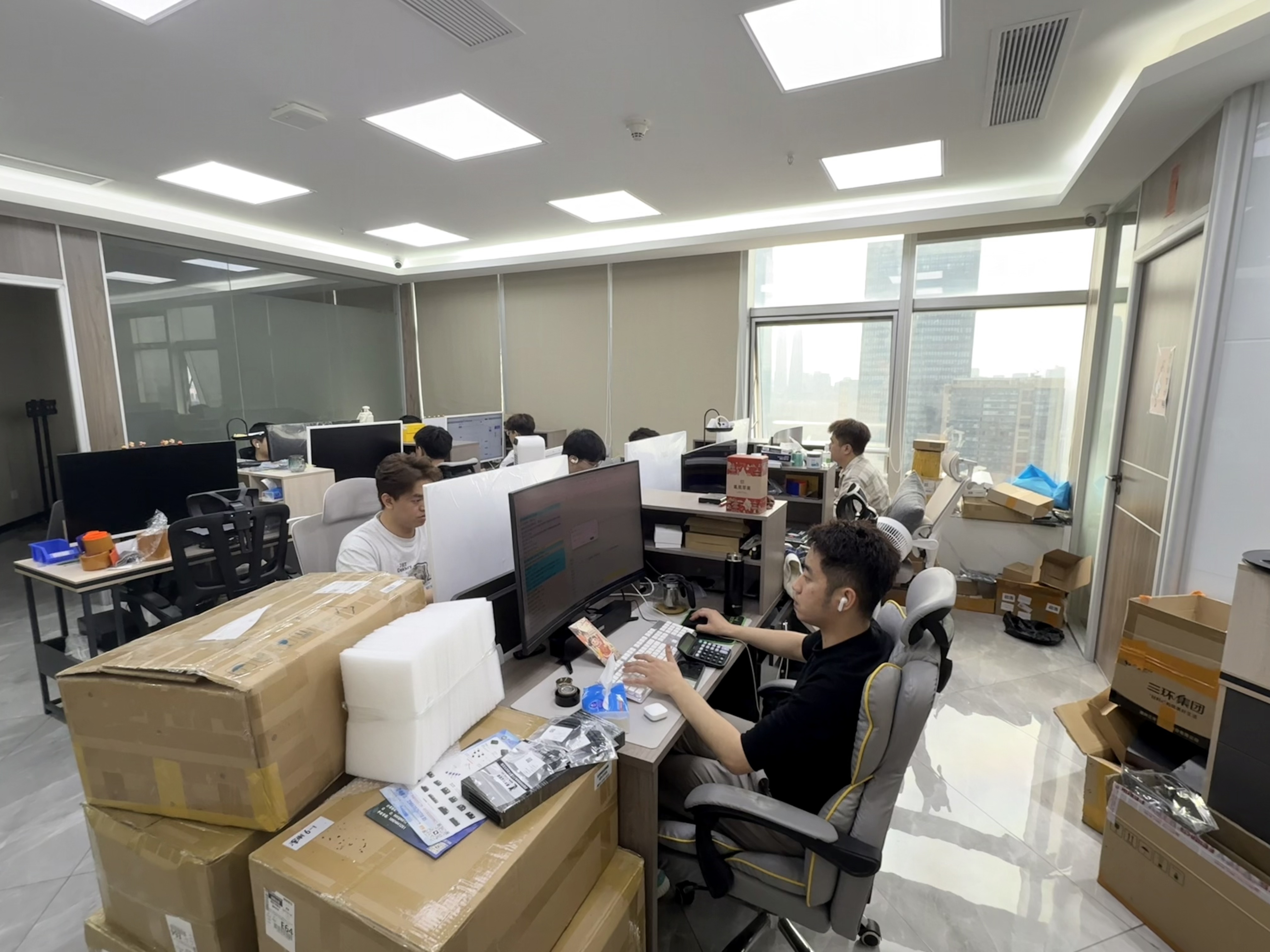
Yingchuang Technology is a professional international trading company specializing in electronic components. Headquartered in Shenzhen, we are committed to providing reliable and stable supply chain services to global customers. Adhering to the principles of quality first, efficiency and pragmatism, and long-term cooperation, we provide integrated component solutions for global manufacturers, distributors, and OEM/ODM companies.
We specialize in international electronic component trading, including integrated circuits (ICs), capacitors, resistors, connectors, transistors, diodes, and other active and passive electronic components. We provide global sourcing, supply chain solutions, and cross-border distribution services.
Company Address: Room 904, Metropolitan Building, No. 3018 Shennan Avenue, Futian District, Shenzhen, Guangdong Province, China