Winwon Chips
Winwon Chips
Winwon Chips
Our integrated hardware component inventory supports the assembly, filtering, power control, and signal calibration for advanced touch interfaces and IoT computing infrastructure globally.
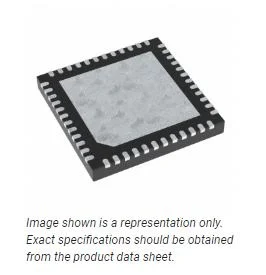
The global marketplace for touchscreen controllers and high-precision human-machine interface (HMI) modules is expanding at an unprecedented rate. Driving this demand is the widespread adoption of smart displays, automotive infotainment systems, industrial automation panels, and rugged medical devices. Touchscreen controllers function as the brain of the touch panel, converting physical capacitive or resistive changes into digital coordinates. This demands absolute precision, low latency, and robust resistance to electromagnetic noise.
Modern electric vehicles (EVs) require high-durability capacitive touchscreen ICs that operate under extreme ambient temperatures, comply with AEC-Q100 standards, and support multi-touch interactions through thick safety glass.
In manufacturing environments, controllers must reject water, oil, and dust while enabling operators wearing heavy gloves to control critical machinery with sub-millisecond tactile feedback.
Smart home hubs, premium appliances, and handheld consumer devices demand low-power sleep modes, ultra-thin profiles, and optimal compatibility with flexible OLED displays.
Understanding the underlying technology is key to finding the right suppliers. Industrial operations are shifting from legacy 5-wire resistive systems to advanced Projected Capacitive (PCAP) touchscreen controllers. This change is driven by the need for optical clarity, multi-touch support, and long-term durability. Below is a comparative analysis of the primary architectures powering modern HMI systems:
| Parameter | Projected Capacitive (PCAP) | 5-Wire Resistive Touch | Infrared / Optical Touch |
|---|---|---|---|
| Touch Detection Method | Electrostatic field disruption | Mechanical pressure connecting layers | Light beam interruption grid |
| Multi-touch Support | Yes (Up to 10+ points simultaneously) | Single touch only (typically) | Yes (limited by optical resolution) |
| Durability & Lifespan | High (Cover glass protects components) | Moderate (Flexible polyester layer wears out) | High (Bezel-mounted sensors only) |
| Noise & EMI Sensitivity | Requires advanced filtering algorithms | Immune to electrical interference | Affected by ambient bright light |
| Ideal Sourcing Scenarios | Modern EVs, retail kiosks, medical monitors | Factory floors, heavy duty logistics, outdoor terminals | Large format digital signage, interactive walls |
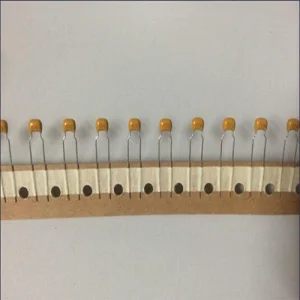
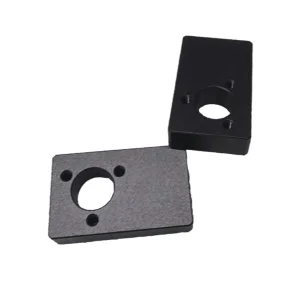
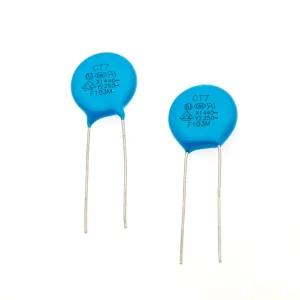
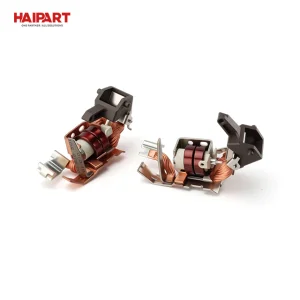
Our global procurement network covers the full range of active microcontrollers and passive components. From custom CNC Machined Components that stabilize panels, to high-stability ceramic capacitors that filter out EMI, we ensure your touchscreen subsystem works reliably under challenging operating conditions.
The next generation of touchscreen controllers will move beyond basic coordinate tracking to integrate multi-modal inputs, haptic feedback control, and ultra-high noise rejection algorithms. Companies must align with manufacturers capable of supporting long-term IC life cycles (10+ years) and adaptive firmware options.
Modern touch controller chips leverage machine learning models directly on the silicon die to distinguish between intentional touches, wet surfaces, and palm rests, significantly reducing false inputs in emergency medical situations.
To penetrate thick protective glass (up to 10mm) and handle marine environments, future controllers will feature integrated high-voltage transmitters (up to 35V) to boost the Signal-to-Noise Ratio (SNR).
Integrating the touch controller, display driver (TDDI), and haptic control unit onto a single system-on-chip (SoC) reduces board footprint, cuts manufacturing costs, and minimizes latency.
Deploying advanced touch interfaces requires a reliable supply of passive and active microelectronics. Yingchuang Technology delivers end-to-end supply chain integration. We combine active controller chips with the necessary passive components to ensure stable high-frequency operations.
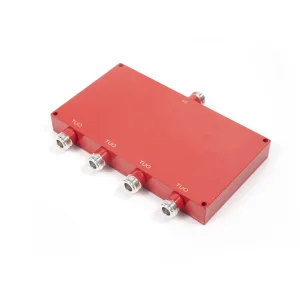
Public safety systems require absolute communication clarity alongside rugged display screens. High-altitude search and rescue devices rely on our specialized VHF UHF RF components to secure communications while preventing touch controllers from generating electromagnetic interference that could disrupt RF signal lines.
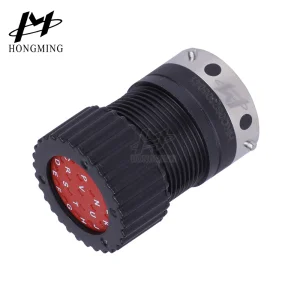
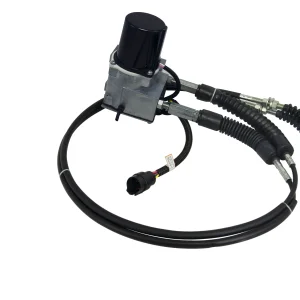
Industrial cockpits, such as excavators and mining trucks, operate under high physical stress. The touch displays in these vehicles require robust connectors and throttle potentiometers designed for continuous vibration. Our heavy-duty waterproof electrical connectors and reliable potentiometers keep displays and mainboards securely connected, even during intense mechanical shocks.
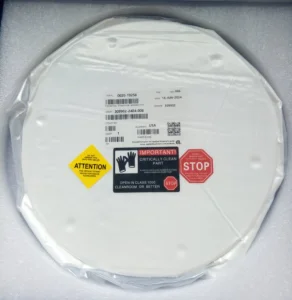
Silicon wafers and high-precision sensors depend on clean physical mounting and precise thermal controls during fabrication. Using top-grade CNC Machined titanium pedestals (300mm PCII) provides the physical flatness and thermal stability needed to build the silicon wafers that eventually become tomorrow’s touch controller ICs.
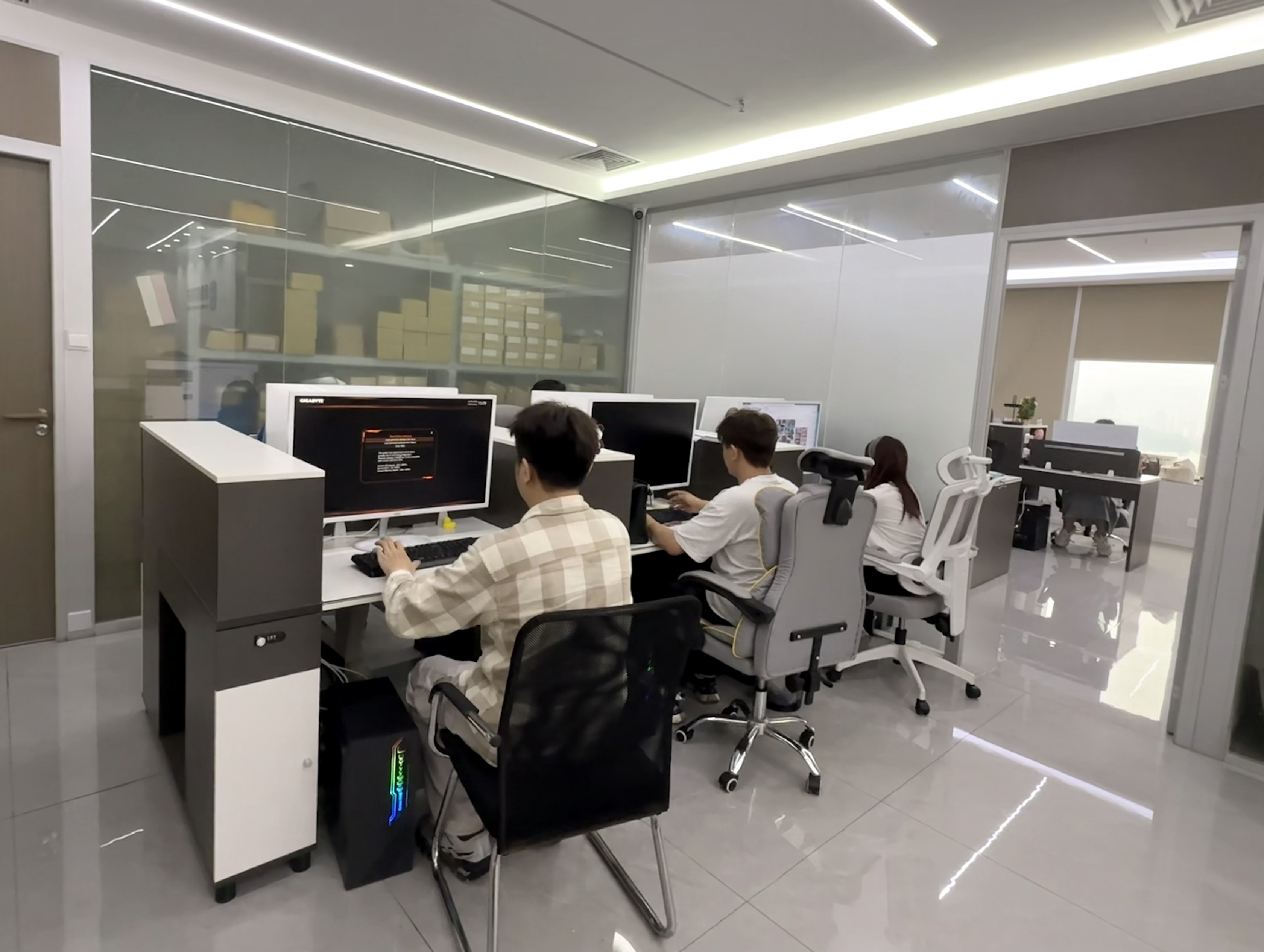
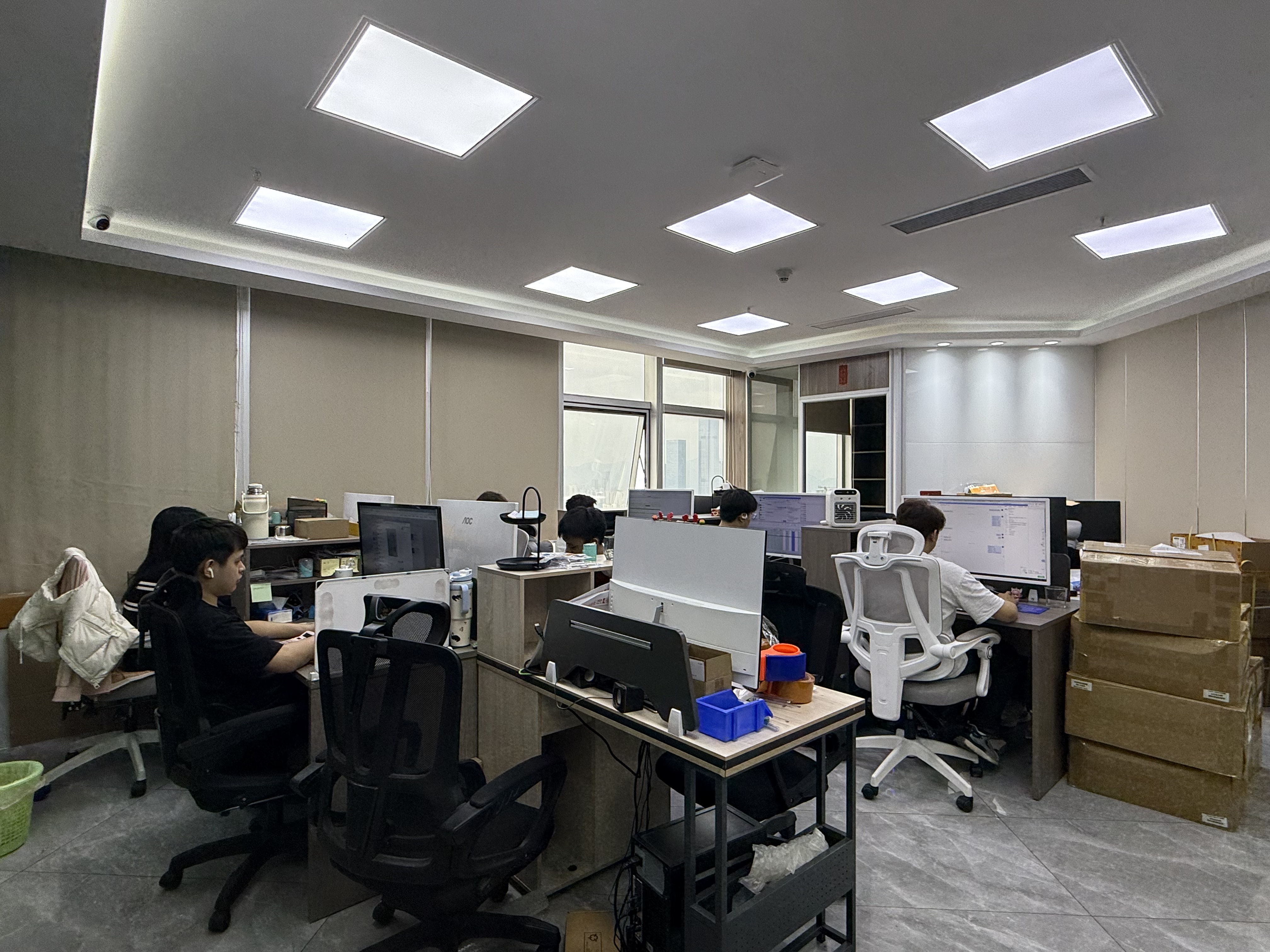
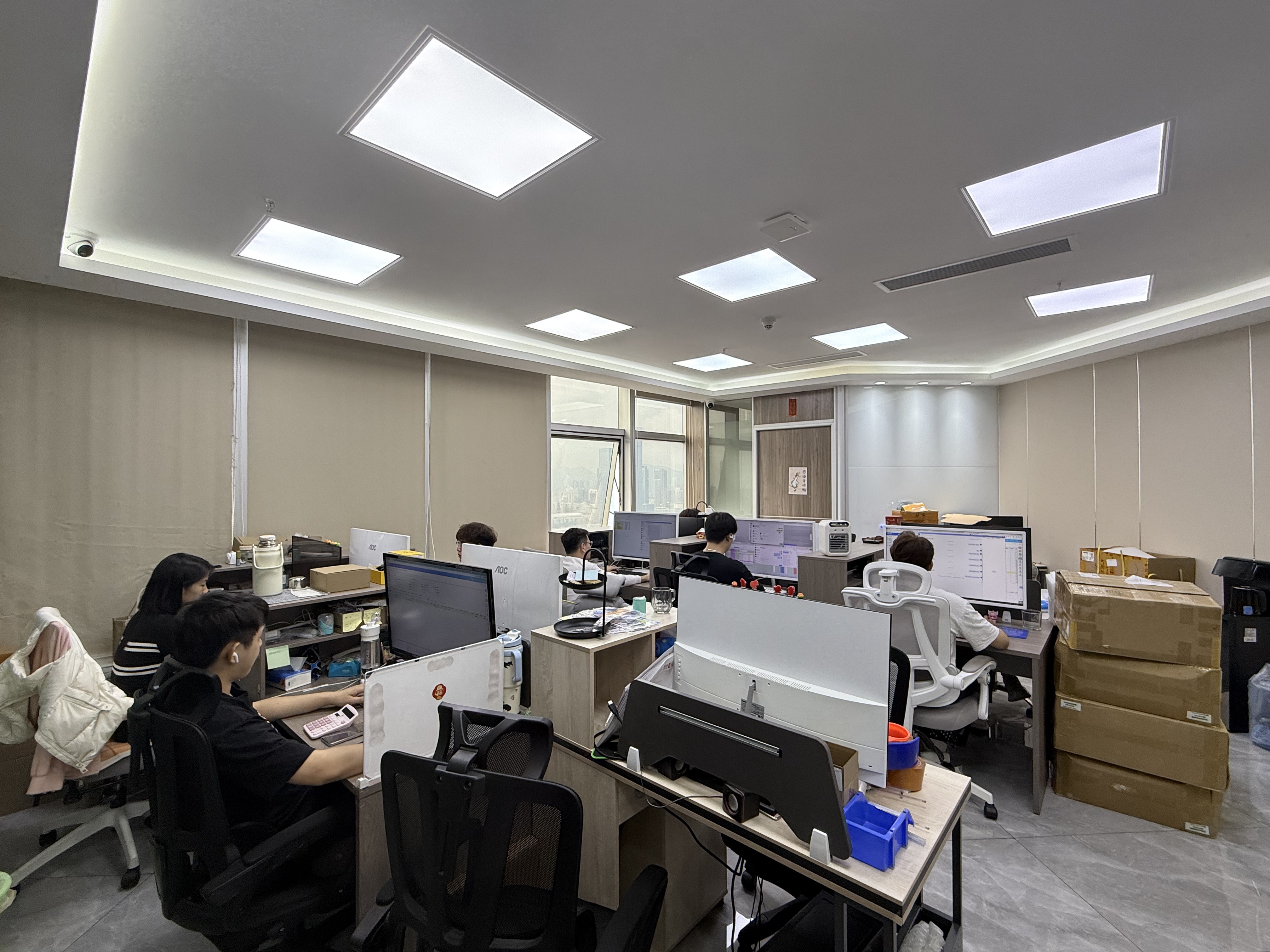
Operating from Shenzhen's central electronics hub in Futian District, Yingchuang Technology serves as a trusted global procurement partner for international manufacturers, OEM/ODM firms, and high-tech distributors. We specialize in sourcing and distributing both active and passive electronic components. Our technical catalog supports everything from specialized touchscreen controller units to microcontrollers, PWM drivers, and core industrial power modules.
We specialize in international electronic component trading, including integrated circuits (ICs), capacitors, resistors, connectors, transistors, diodes, and other active and passive electronic components. We provide global sourcing, supply chain solutions, and cross-border distribution services.
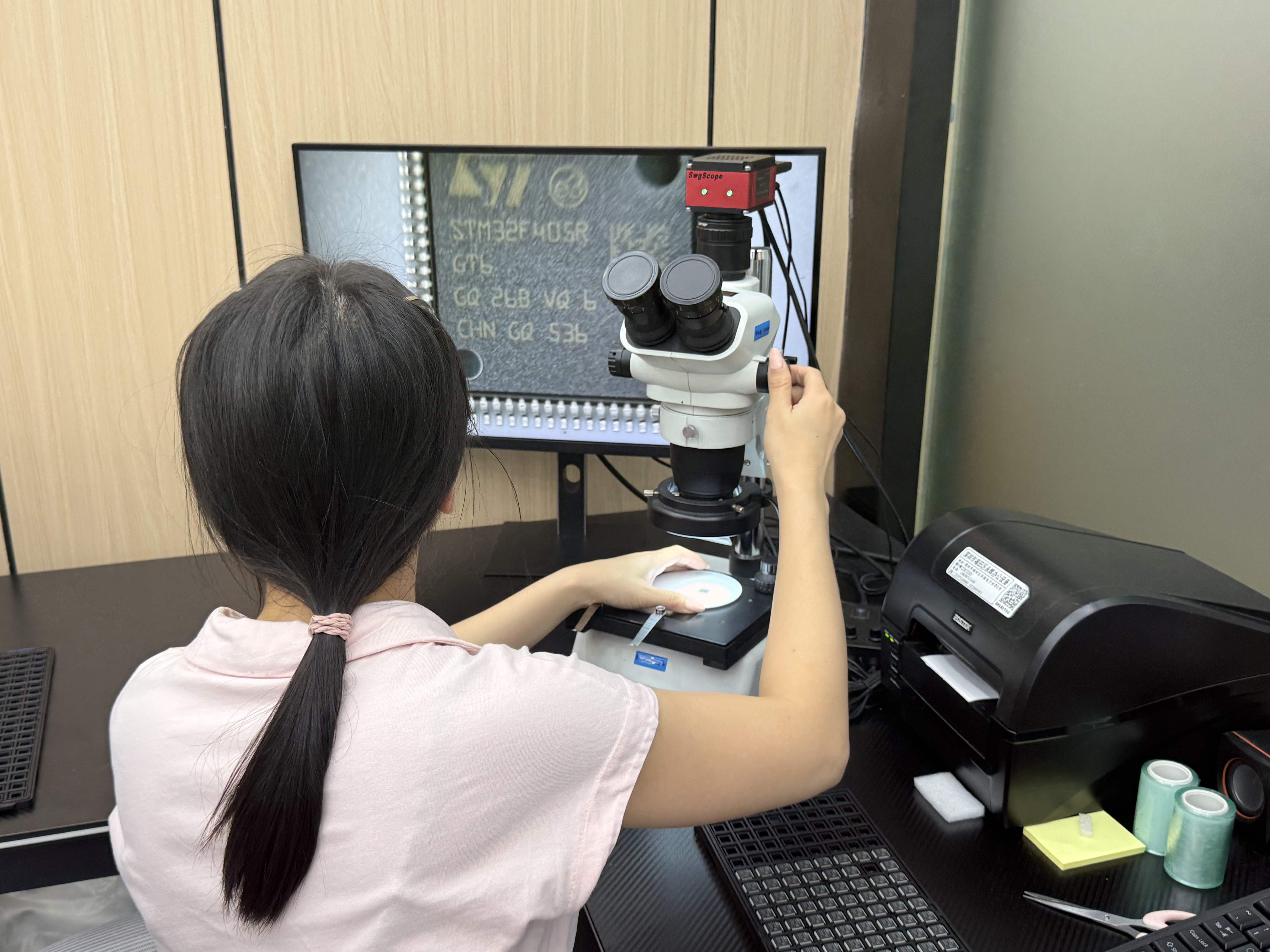
At Yingchuang Technology, we understand that a single failing capacitor or an unstable PWM controller can bring an entire production line to a halt. Our quality assurance process ensures that all active semiconductors, passive components, and custom hardware fittings meet international testing standards prior to export.
Adhering to the principles of "quality first, efficiency and pragmatism, and long-term cooperation," we provide integrated component solutions for global manufacturers, distributors, and OEM/ODM companies.
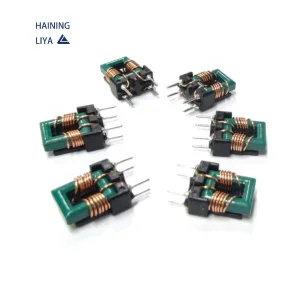
Advanced touchscreen controllers use frequency-hopping algorithms and digital signal processing (DSP) filtering to identify and isolate noise. They are supported by external passive components, such as high-quality common-mode chokes and low-ESR ceramic capacitors. These passives sit close to the power input lines to clean up the voltage signals, preventing false touch triggers caused by nearby high-voltage lines, motors, or wireless transmitters.
AEC-Q100 is a critical stress test qualification for integrated circuits used in automotive applications. Touch controllers with this certification can withstand wide temperature ranges (-40°C to +105°C), high levels of moisture, and constant vibration. This durability prevents system failures in critical automotive displays, such as instrument clusters and center console units.
Water conducts electricity and can mimic a human finger touch on a capacitive grid, causing input errors. Modern controller chips resolve this by using dual-sensing techniques that measure both self-capacitance (for tracking wet surfaces or gloved hands) and mutual-capacitance (for high-accuracy multi-touch tracking). This ensures stable touch performance even in rainy outdoor environments or wet industrial conditions.
Pulse Width Modulation (PWM) controllers regulate the power sent to the display's LED backlights. If these regulators are poorly designed, they can introduce electrical noise into the display, disrupting the sensitive capacitive touch sensors. Using high-efficiency PWM controllers with stable ceramic capacitors ensures quiet, clean power lines, maintaining clear screen brightness and precise touch tracking.
During photolithography and chemical deposition steps in wafer manufacturing, the silicon wafer must remain perfectly flat. Titanium pedestals, machined to sub-micron tolerances, provide the necessary mechanical stability and thermal resistance. This precision helps prevent wafer defects, ensuring high yields for complex IC designs like microcontrollers and touchscreen processor chips.
Our complete components catalog covers active semiconductors, heavy-duty industrial relays, line-protection components, and custom materials to support all stages of device manufacturing.