Winwon Chips Winwon Chips

Top China Thermal Sensors Manufacturers & Exporter

High-Precision Thermal Management Solutions, Global Semiconductor Sourcing & Supply Chain Integration for Enterprise OEMs

Global Thermal Sensing & Industrial Semiconductor Landscape

A technical analysis of active thermal telemetry, solid-state switches, and manufacturing micro-electronics.

Global Economic Impact

The global thermal sensor market is projected to grow from USD 6.2 billion in 2023 to USD 9.8 billion by 2028, driven by the expansion of Electric Vehicles (EVs), industrial IoT, and medical automation.

Macro Supply Chain Strategy

Integrating localized manufacturing hubs in Shenzhen with global distribution platforms optimizes cost structures. High-precision sourcing guarantees RoHS and REACH compliance for critical materials.

Advanced Micro-Packaging

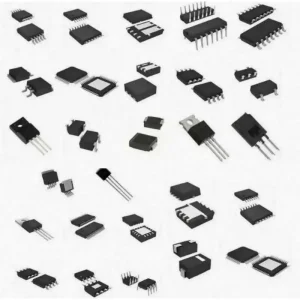
Modern silicon photodiode arrays, SOT-23 packaged transistors, and capsule-type high-frequency thyristors represent the transition toward miniature, high-density power modules with optimized thermal pathways.

7.2%
Market CAGR (2023-2028)
<10ms
Standard Response Time
100%
Quality Assurance Tested
50+
Global Export Destinations

Your Strategic Supply Chain Partner in China

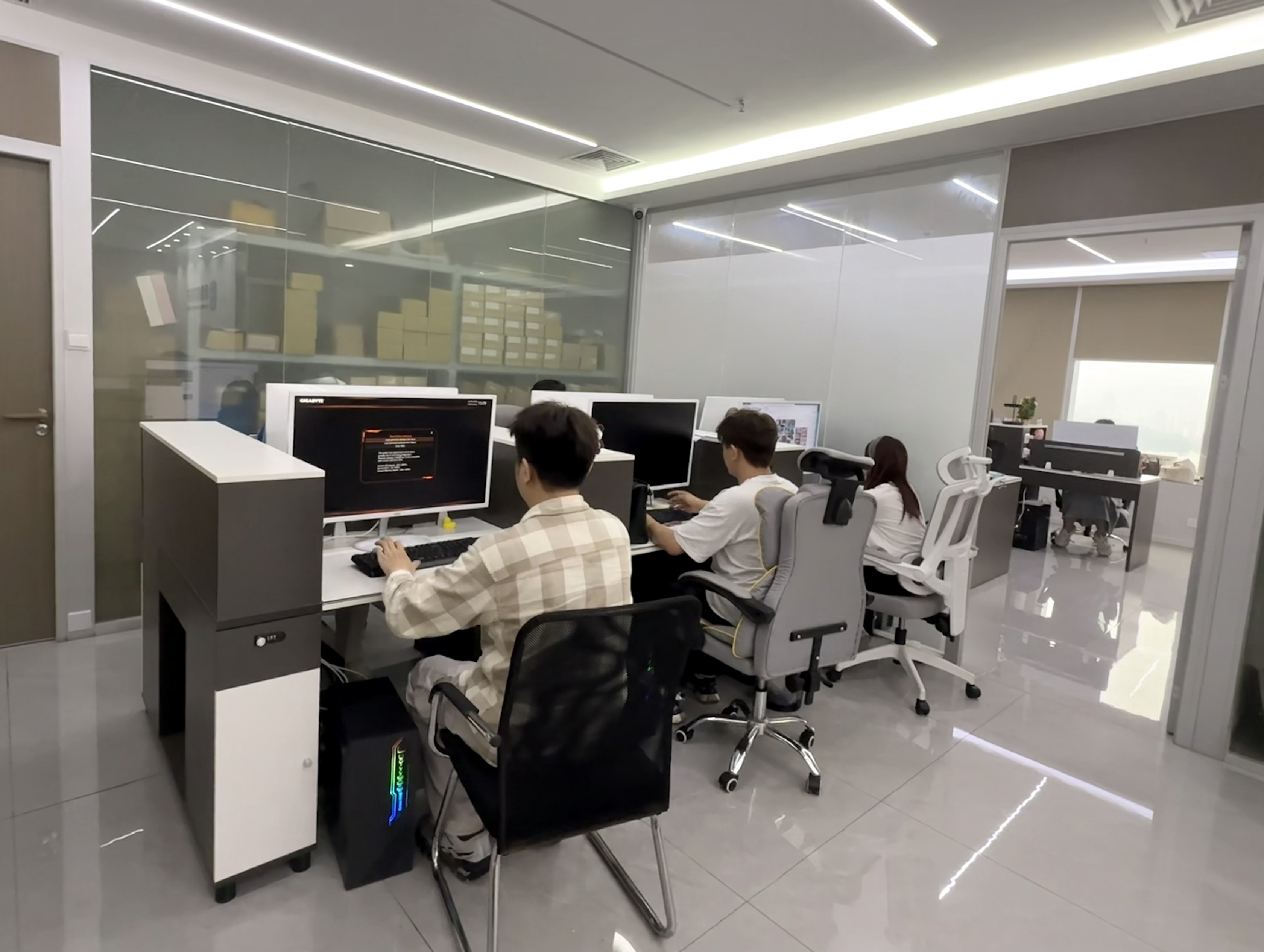
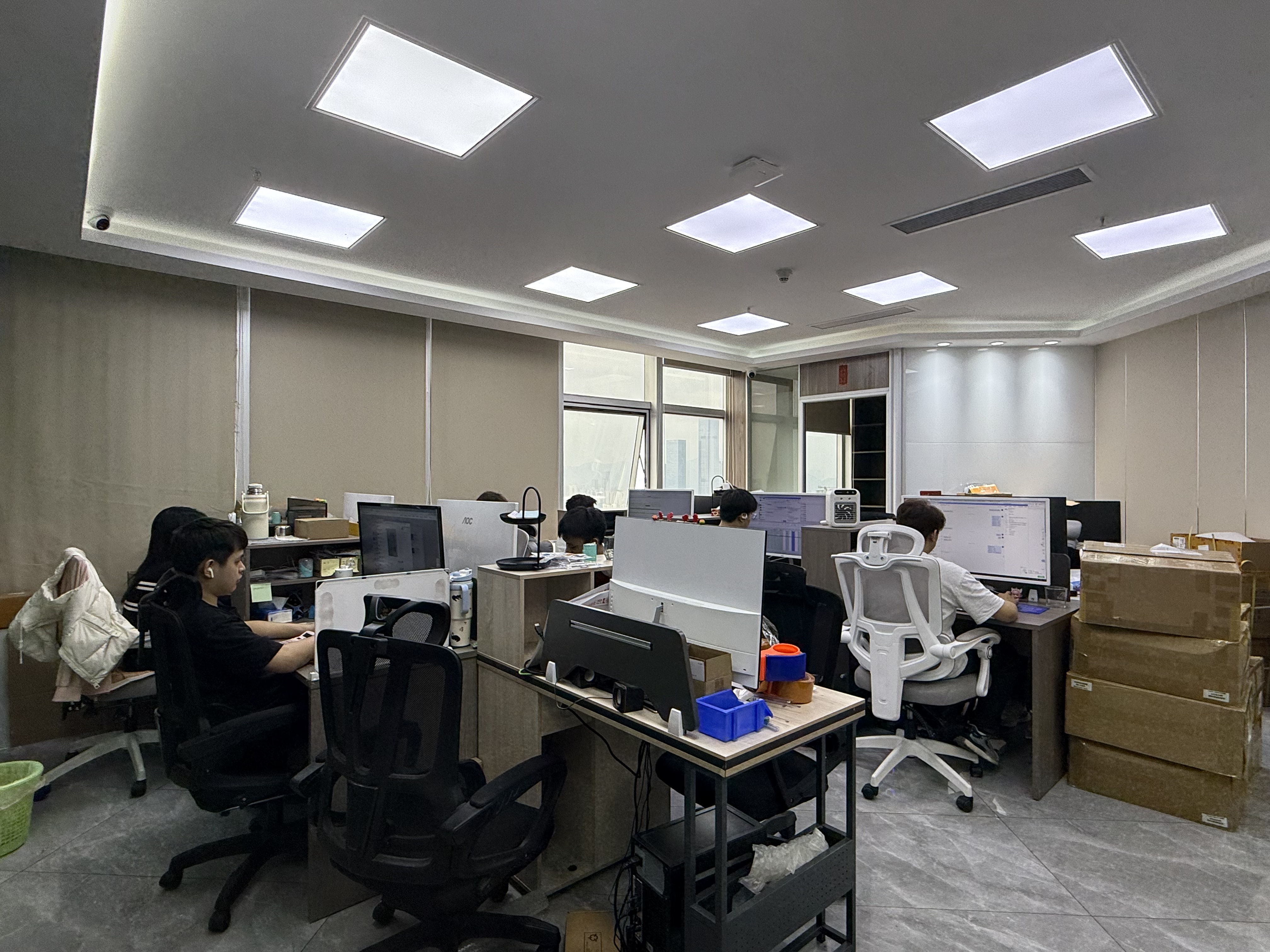
Yingchuang Technology is a professional international trading enterprise specializing in advanced electronic components. Headquartered in the hardware capital of the world—Shenzhen, China—we are strategically positioned at the core of the global electronic component supply chain.

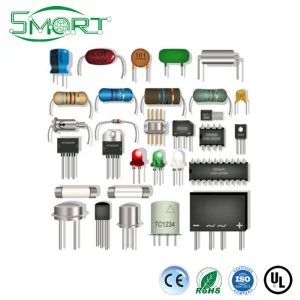
We specialize in the international trading of active and passive components, including integrated circuits (ICs), transistors, diodes, capacitors, resistors, and connectors. By leveraging our geographical advantages, we source high-reliability products directly from verified manufacturers, ensuring authentic sourcing, competitive pricing, and streamlined cross-border distribution.

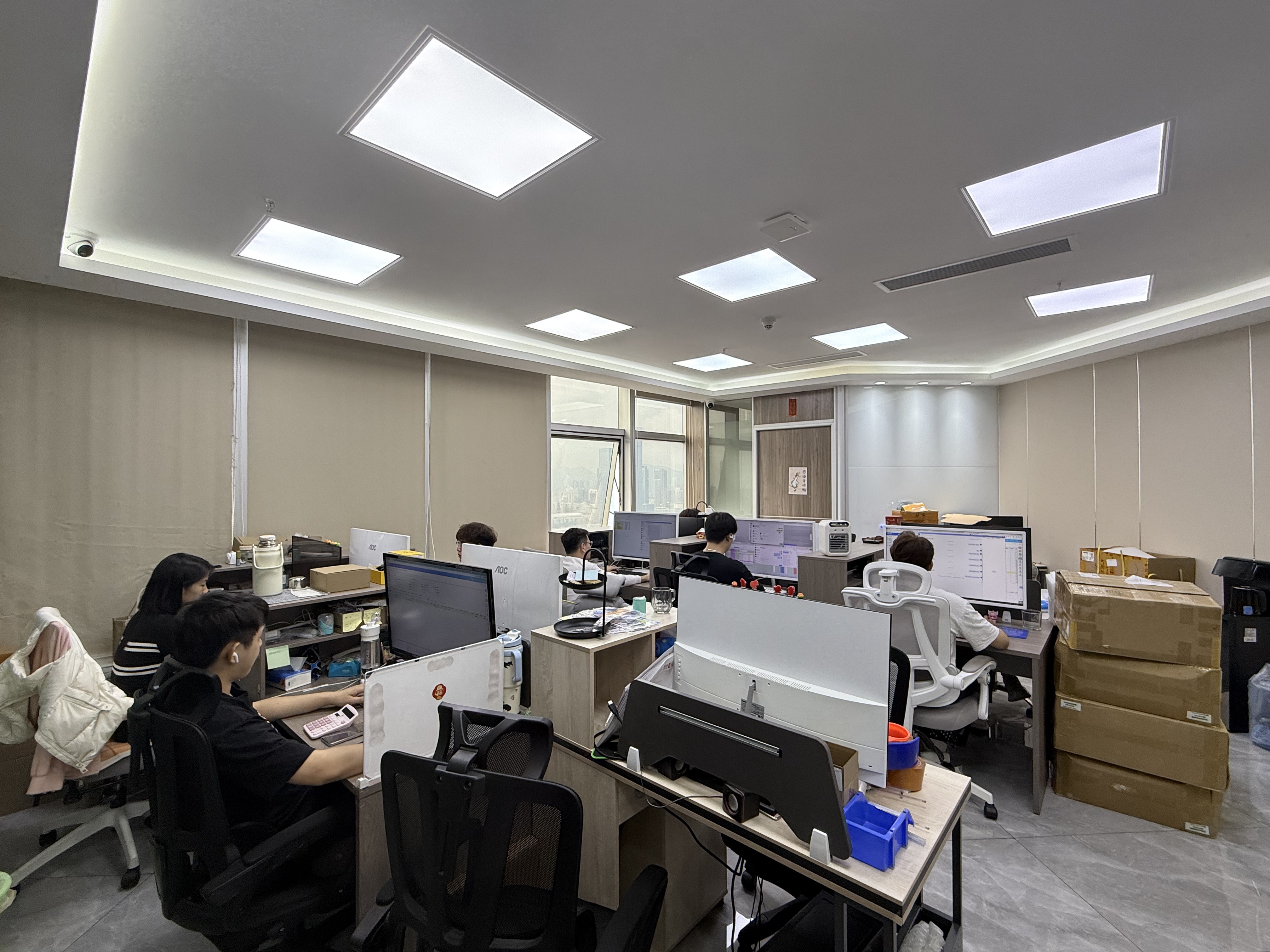
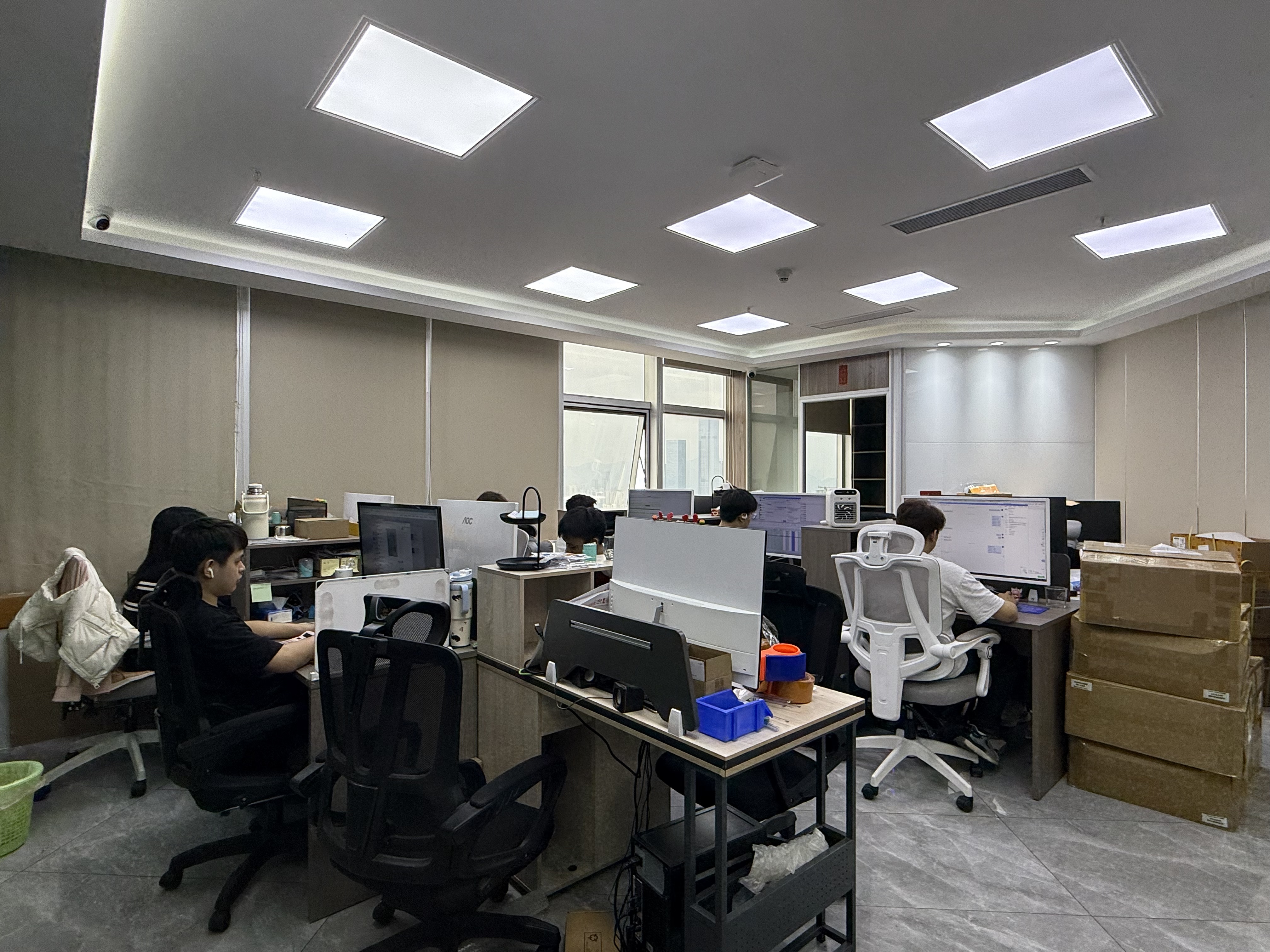
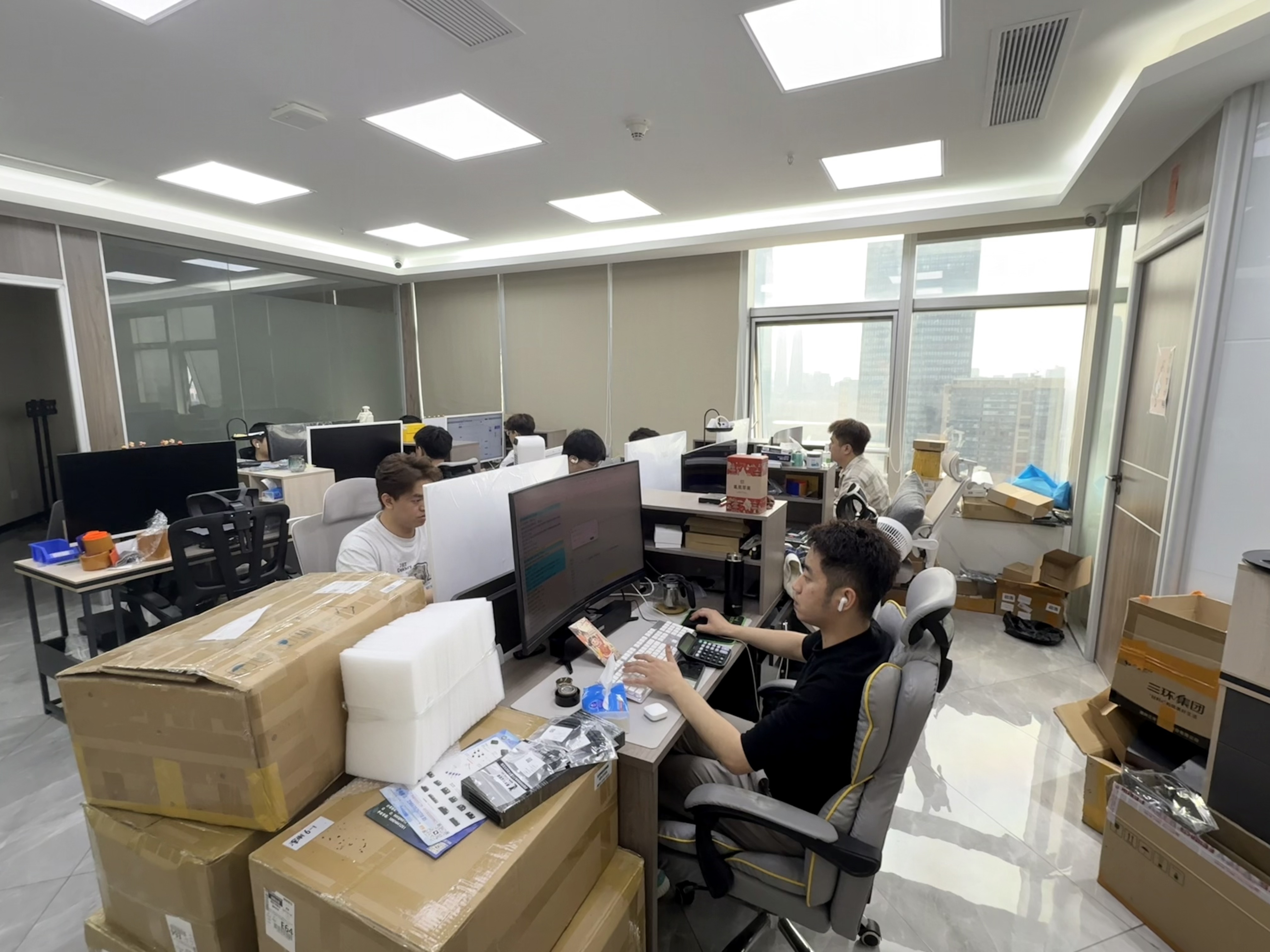
Our operational headquarters are located at Room 904, Metropolitan Building, No. 3018 Shennan Avenue, Futian District, Shenzhen, Guangdong Province, China. From this central logistics hub, we coordinate quality control pipelines, secure packaging networks, and fast shipping lines to support global OEMs, ODMs, and high-volume electronics manufacturers.
Strict Quality Control and Standardized Operations

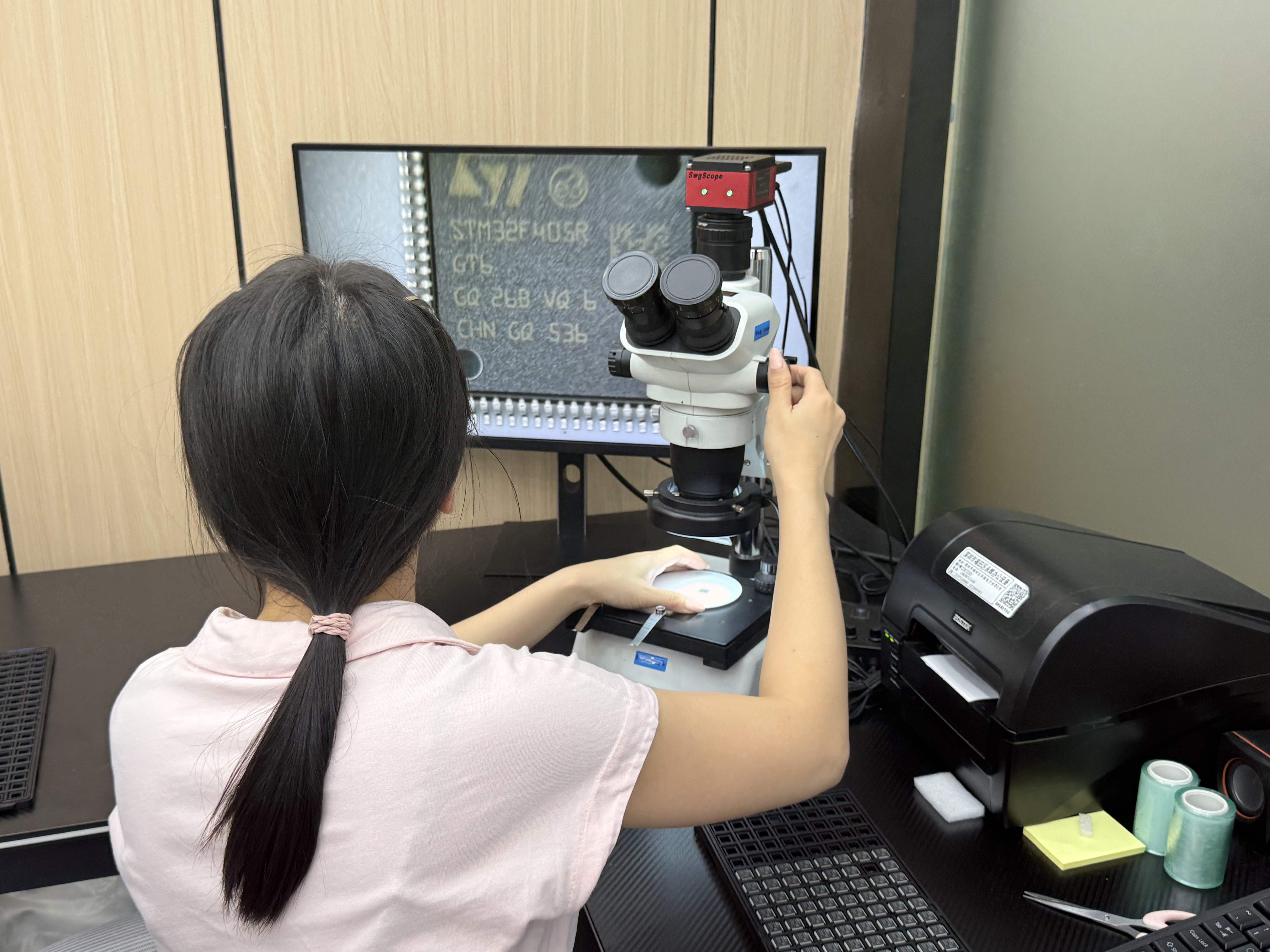
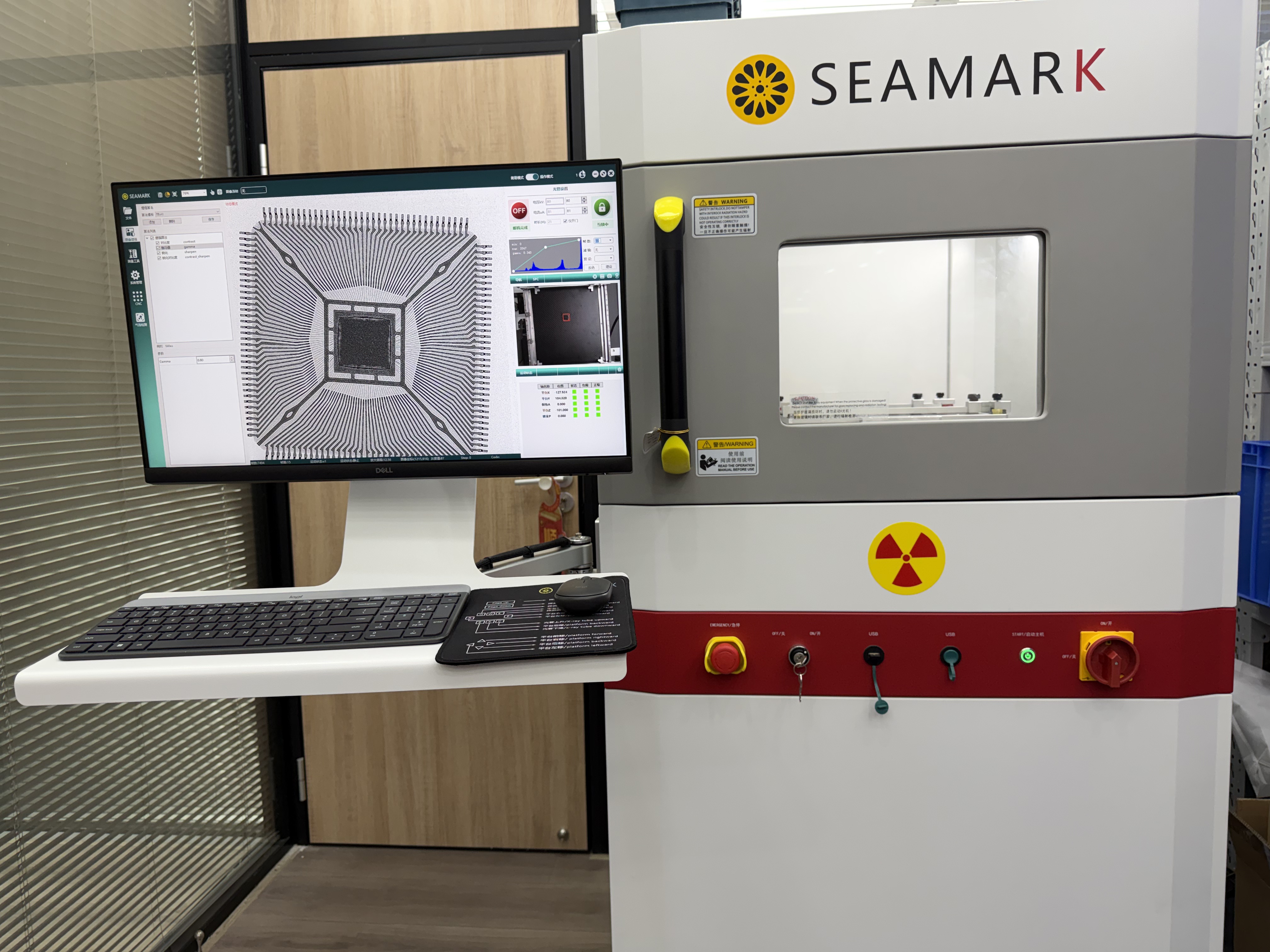
At Yingchuang Technology, quality control is integrated into every step of our procurement process. We understand that in mission-critical applications—such as automotive electronics, medical instrumentation, and smart grids—a single component failure can cause massive downtime. That is why our incoming inspection team rigorously inspects every batch of semiconductors, thyristors, and MOSFETs.

Our quality assurance framework guarantees:

  • Full traceability for all active and passive components.
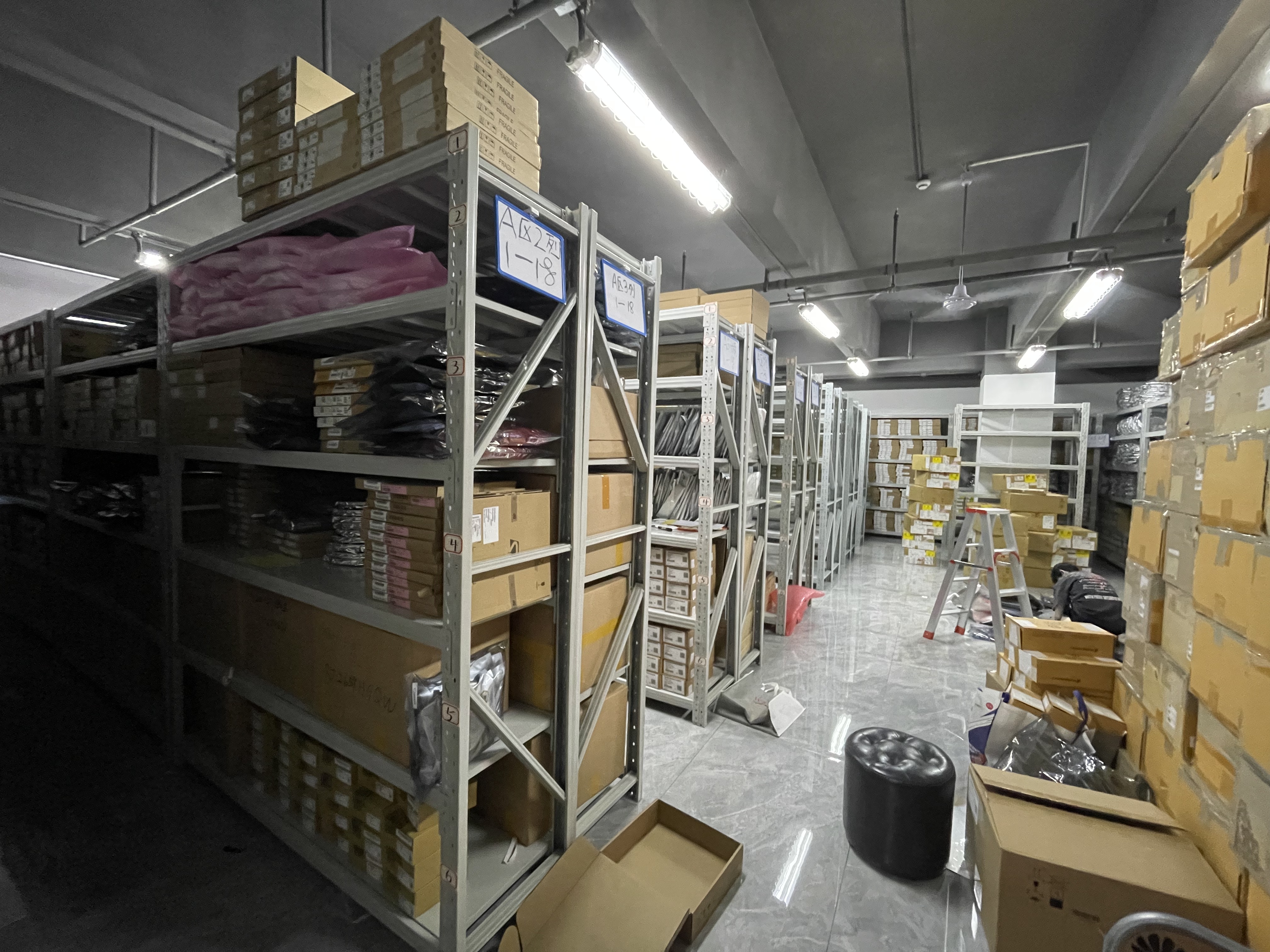
  • Strict electrostatic discharge (ESD) safe packaging and climate-controlled storage conditions.
  • Visual inspection, terminal solderability testing, and parameter verification in partner labs.
  • Compliance with international regulatory standards (CE, RoHS, REACH, and ISO 9001:2015).

Technology Selection: Comparative Engineering Data

Understanding the trade-offs of modern thermal sensing methodologies is vital for architectural decisions in hardware design.

Sensor Class Common Materials Temperature Range Response Time Primary Applications
Thermocouples Chromel/Alumel (K), Iron/Constantan (J) -200°C to +1800°C Fast (<0.5s) Industrial furnaces, gas turbine exhaust, metallurgical processes
RTD (Resistance Temp Detectors) Platinum (Pt100, Pt1000) -200°C to +850°C Medium (1s to 5s) Laboratory instrumentation, automotive HVAC, medical incubators
Thermistors (NTC/PTC) Transition metal oxides (Manganese, Nickel) -80°C to +300°C Very Fast (<0.1s) Battery Pack BMS, smartphone CPUs, home appliances
Semiconductor (Silicon Bandgap) Monocrystalline Silicon (CMOS compatible) -55°C to +150°C Medium (0.5s to 2s) Micro-controller embedded sensors, smart building thermostats
Infrared (Thermopiles/Microbolometers) Silicon-based MEMS, Vanadium Oxide (VOx) -50°C to +2000°C Ultra-Fast (<10ms) Non-contact pyrometers, thermal imaging cameras, medical diagnostics

Micro-Sensing Application Fields

Thermal management is no longer just about temperature measurement. In modern high-power systems, thermal profiling determines system lifespan. Below are the key sectors leveraging advanced China-manufactured thermal tracking topologies:

Automotive Battery Pack Management (BMS)

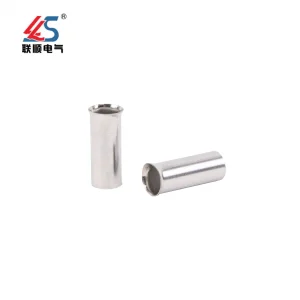
Lithium-ion cells require operation within a narrow thermal window (20°C to 40°C). Beyond 60°C, risk of thermal runaway increases. Miniature NTC thermistor arrays, connected via copper terminal blocks, monitor cell tabs in real-time to alert the BMS.

High-Power Industrial Converters

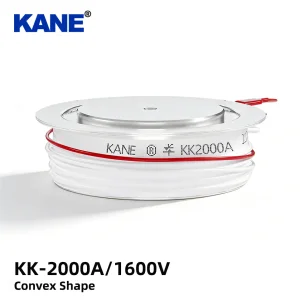
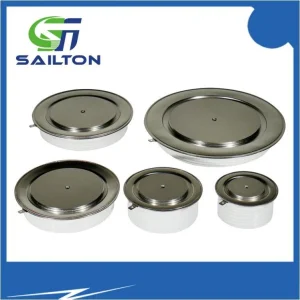
Semiconductor components like the Capsule-type High Frequency Thyristors (KG800A/1600V) generate extreme heat during phase control and frequency conversion. Heat dissipation monitoring using high-accuracy RTD probes ensures junction temperatures do not cross safety limits.

Optoelectronic and Medical Film Diagnostics

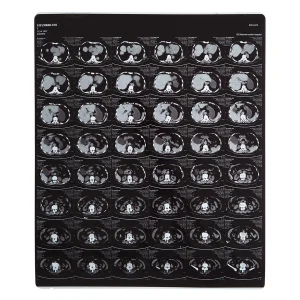
Precise laser thermal imaging equipment (e.g. Fuji Medical X-ray printer platforms) relies on closed-loop temperature control to preserve spatial resolution on medical films. High-response silicon photodiodes and discrete transimpedance amplifiers capture light emissions to optimize exposure accuracy.

Engineering Technology Roadmap

Phase 1: Silicon & MEMS Integration
Transitioning from mechanical probe-type assemblies to wafer-level silicon thermopiles. Incorporating digital micro-controllers directly onto the sensor die via CMOS processes.
Phase 2: Ultra-Wide Bandgap Systems
Developing Gallium Nitride (GaN) and Silicon Carbide (SiC) temperature telemetry systems to withstand severe high-voltage and high-temperature environments (+300°C and above).
Phase 3: AI-Driven Predictive Maintenance
Implementing edge computing algorithms directly on thermal microchips. Utilizing machine learning models to predict system failure based on thermal drift profiles before thresholds are breached.

Technical Questions & Engineering Solutions (FAQ)

Comprehensive technical answers detailing parameters, sourcing criteria, and engineering considerations.

1. What are the key differences between Thermistor, RTD, and Thermocouple sensors?
Choosing the right sensor depends on the target operational window and accuracy needs.
  • RTDs are highly stable and linear over broad ranges (-200°C to +850°C), making them standard in scientific and high-end industrial labs.
  • Thermistors (NTC/PTC) offer extreme sensitivity within narrower spans (-80°C to +300°C) and provide quick response times, ideal for electronic battery arrays and appliance thermometry.
  • Thermocouples cover the widest operating temperature ranges (up to +1800°C) and are robust, though they exhibit lower accuracy and require reference junction compensation.
2. How does electromagnetic interference (EMI) affect thermal sensor data, and how do we resolve it?
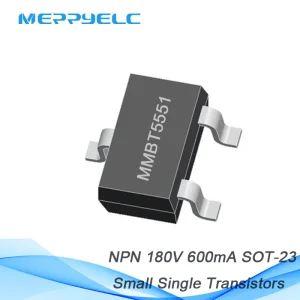
Low-voltage signals from thermocouples and RTDs are susceptible to industrial EMI. Sourcing shielded cabling, implementing differential signals, and placing active conditioning components (such as our MMBT5551 NPN transistors for amplification) close to the sensor tip are effective mitigation strategies. High-frequency thyristors (like KG800A/1600V) in switching power stages can generate significant high-frequency noise, requiring optical isolation or discrete silicon photodiode arrays (e.g., Hamamatsu S1226-18bk) to break ground loops and maintain telemetry integrity.
3. Why is thermal monitoring critical in high-power MOSFET circuits?
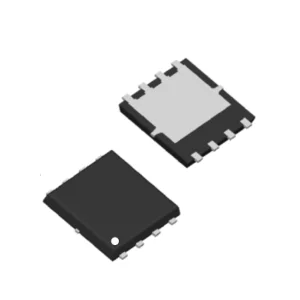
Power semiconductors, such as the 30V N-Channel MOSFET (Way-on-WMQ40N03T1), operate in applications with high current densities. High currents lead to power losses (I²R heating) at the silicon junction. If junction temperatures cross typical thresholds (e.g., 150°C or 175°C), the device risks thermal runaway, resulting in gate oxide breakdown and structural failure. Continuous thermal monitoring and design integration of low R_DS(ON) MOSFETs with thermal copper terminal connectors prevent destructive heat buildup.
4. What is the role of active photodiode modules in thermal measurement setups?
Active optoelectronics, such as the Hamamatsu discrete silicon photodiode (S1226-18bk), are used for non-contact infrared thermal monitoring. These sensors capture infrared radiation emitted by hot surfaces, translating optical energy into a small photocurrent proportional to the absolute temperature. This technique is standard in high-speed manufacturing, molten metals processing, and diagnostic systems where physical contact with the target is impossible or unsafe.
5. What sourcing advantages does Shenzhen offer for international electronic component buyers?
Located in Futian District, Shenzhen, Yingchuang Technology has direct access to the world's most concentrated cluster of electronic component manufacturers, packaging facilities, and logistics centers. This allows us to source active integrated circuits, passive resistors/capacitors, high-speed thyristor modules, and connectors directly from factory floors. This local proximity shortens lead times, simplifies quality inspections, and lowers supply chain costs for our international partners.
6. How does package design affect the response time of NTC thermistors?
The thermal response time (expressed as the thermal time constant, tau) is directly proportional to the sensor's mass and surface area. Miniature glass-encapsulated beads or SOT-23 surface mount packages minimize thermal mass, enabling rapid heat transfer and time constants of less than 0.1 seconds. In contrast, heavy industrial stainless-steel thermowells protect the internal sensor element from mechanical stress but slow the response time, sometimes to several seconds.