Winwon Chips
Winwon Chips
Winwon Chips
Direct procurement pipelines for high-reliability components, industrial control SCR modules, and active switching components.
Understanding the critical metrics of analog and digital signal routing to achieve high signal integrity and low insertion loss.
In modern electronic engineering, a multiplexer (MUX) acts as the digital or analog traffic controller of high-speed system architectures. By routing multiple input channels onto a single output bus line, it dramatically optimizes physical footprint, routing space, and overall system design efficiency. Whether you are dealing with high-bandwidth RF switching matrices, high-precision instrumentation data acquisition, or optical communication infrastructures, selecting the correct manufacturer and exporter determines the functional integrity and lifecycle reliability of your end products.
From an architectural perspective, multiplexers are broadly classified into analog multiplexers and digital multiplexers. Analog multiplexers leverage advanced CMOS, BiCMOS, or silicon-on-insulator (SOI) technologies to pass bidirectional analog signals (voltage, current) with minimal distortion, low on-resistance (R_ON), and ultra-low charge injection. Digital multiplexers, typically built from high-speed logic gates, switch unidirectional binary signals from multiple control sources. High-performance models also incorporate features like overvoltage protection, ESD shielding, and latch-up immunity to safeguard delicate downstream components like Analog-to-Digital Converters (ADCs) and microcontrollers.
Critical metrics for analog signal selectors include crosstalk (typically measured in dB at 1 MHz), insertion loss, and total harmonic distortion (THD). Sourcing specialized components requires verifying that the manufacturer's silicon foundry operates cleanroom processes that keep parasitic capacitance (C_ON) minimal, preventing signal degradation in high-frequency instrumentation.
Digital multiplexers require fast switching transitions, quantified as propagation delay (typically in nanoseconds or picoseconds) and skew time (propagation difference between channels). Exporters supplying high-speed networking industries must adhere to stringent timing parameters, matching output buffers to prevent transmission errors in data transmission blocks.
Why Shenzhen and Chinese manufacturing hubs dominate the active/passive electronic component distribution ecosystem.
The global semiconductor supply chain is heavily dependent on manufacturing agility and vertical integration. Chinese component manufacturers, specifically located in technological epicenters like Shenzhen (Guangdong Province), offer unmatched competitive advantages. This region hosts a mature ecosystem combining silicon design validation, precision packaging (Packaging and Testing - OSAT), raw silicon substrate processing, and rapid global logistics networks. Choosing a China-based exporter allows global enterprises to compress lead times and optimize cost structures.
Key drivers behind the efficiency of Chinese factories include:
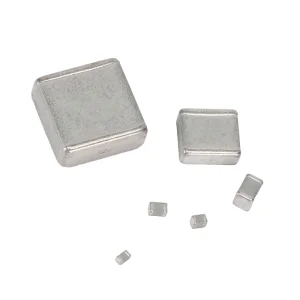
Chinese factories are colocated with passive component producers (such as high-efficiency ceramic capacitors, resistors, and connectors) and active power semiconductors. This immediate access minimizes external procurement cycles, ensuring that composite Bill-of-Materials (BOM) assembly runs smoothly and components match specified electrical properties without waiting for imports.
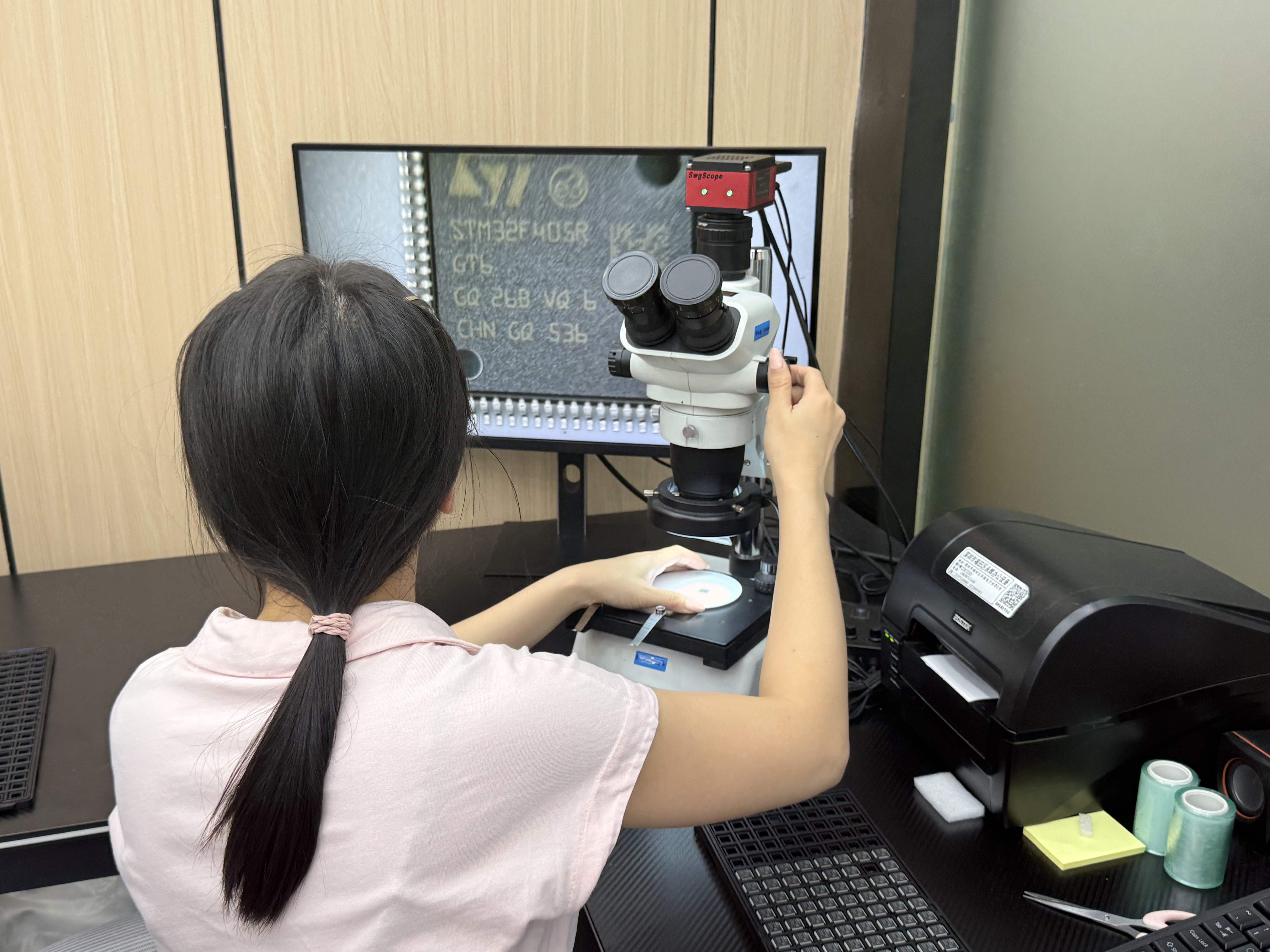
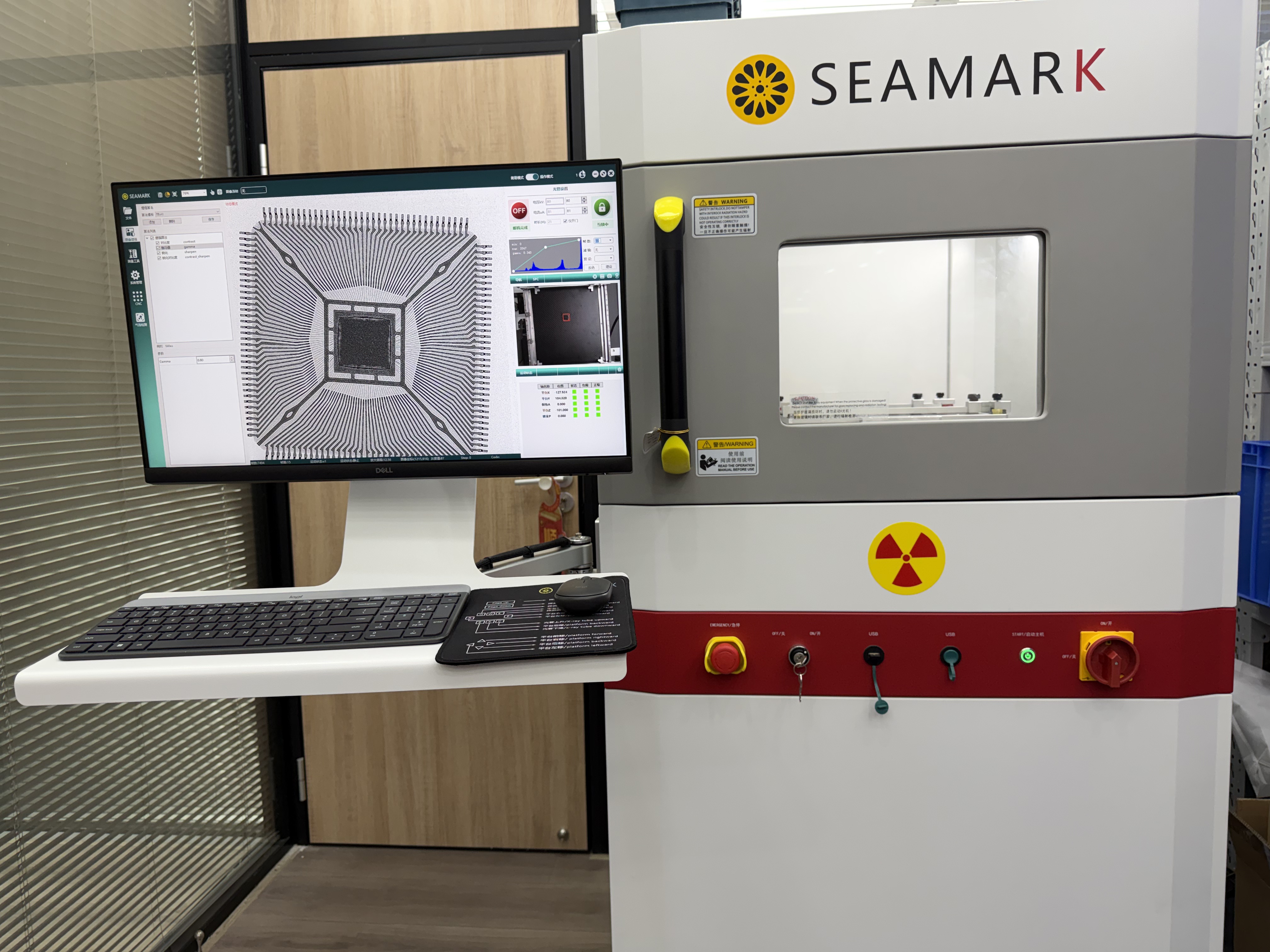
Reputable suppliers enforce strict compliance standards, employing automated optical inspection (AOI), X-ray validation, and electrical parameter mapping (testing breakdown voltage, leakage current, and ESD limits). This rigorous protocol prevents counterfeit components from entering supply channels, satisfying global E-E-A-T guidelines for absolute technical reliability.
Located in proximity to Hong Kong's major transport channels and operating from the heart of Futian District, Shenzhen, distributors utilize express maritime, rail, and air freight networks. This ensures that bulk components reach international buyers in Europe, North America, and Southeast Asia under optimal lead-time frameworks.
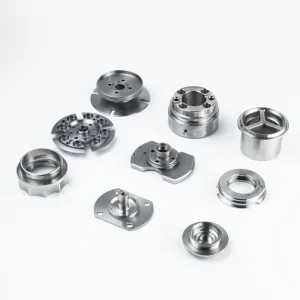
Unlike rigid silicon manufacturers, Chinese component suppliers work closely with hardware designers to adapt package profiles (e.g., SMD, TO-227, TO-247, and custom CNC components) to fit customized form factors, directly contributing to accelerated prototyping phases.
Integrating multiplexers, switching relays, high-power thyristors, and signal filters into robust industrial frameworks.
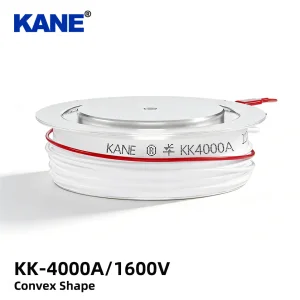
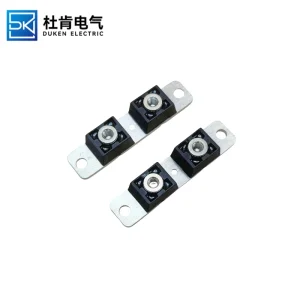
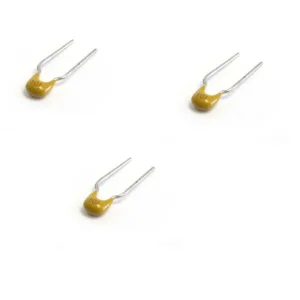
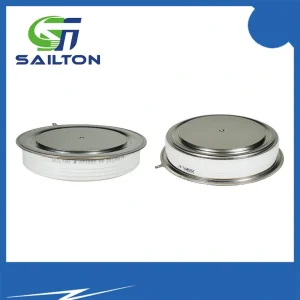
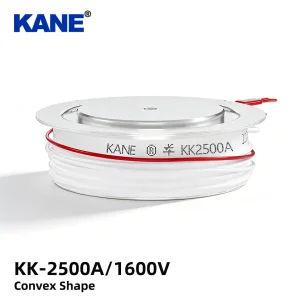
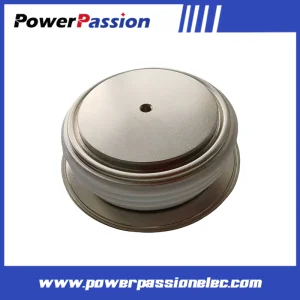
In telecommunication backhauls, high-frequency multiplexers allow carrier waves to stack multiple voice and data channels over a single physical medium without mutual interference. The integration of high-Q ceramic RF capacitors prevents noise bleeding into the low-noise amplifier (LNA) stage, preserving high signal-to-noise ratios (SNR). Concurrently, in industrial automation systems, analog multiplexers are combined with high-power thyristors and rectifier modules (like the KK 2500A or KP8000A) to regulate medium-frequency furnaces, coordinate soft-starts, and manage energy networks with minimal power dissipation.
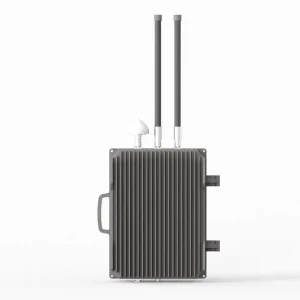
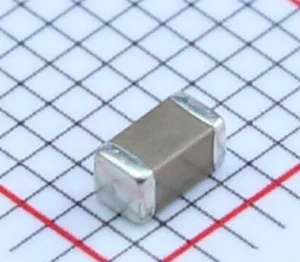
Furthermore, in the emerging sector of unmanned aerospace systems and counter-drone navigation spoofers, multiplexed signal arrays cycle through RF frequencies (GNSS, GPS, GLONASS) to redirect unwanted aerial assets. This requires high-performance electronic components to operate continuously in extreme environmental temperatures, necessitating ceramic capacitor arrays that maintain stable dielectric properties under fluctuating thermal states.
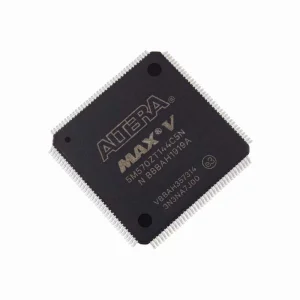
To combat global microchip shortages and market fluctuations, modern enterprise procurement managers focus on building redundant supply pipelines. Sourcing from a versatile exporter who handles both active semiconductors (ICs, microcontrollers, IGBTs, transistors) and passive electronic units (SMD capacitors, resistors, and connectors) minimizes contract fragmentation and lowers customs administrative overheads.
A specialized international electronic component distributor providing global sourcing and supply chain solutions.
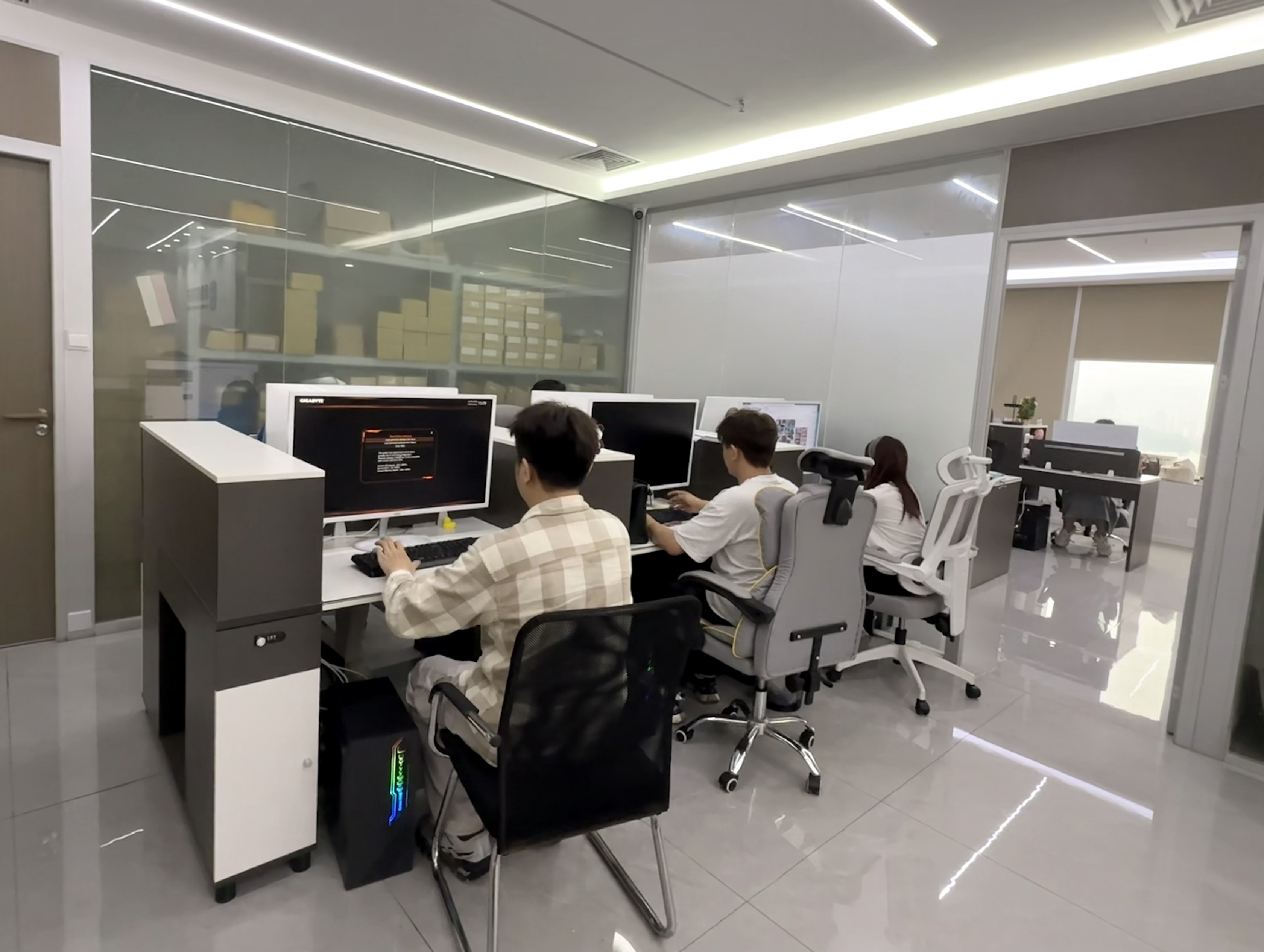
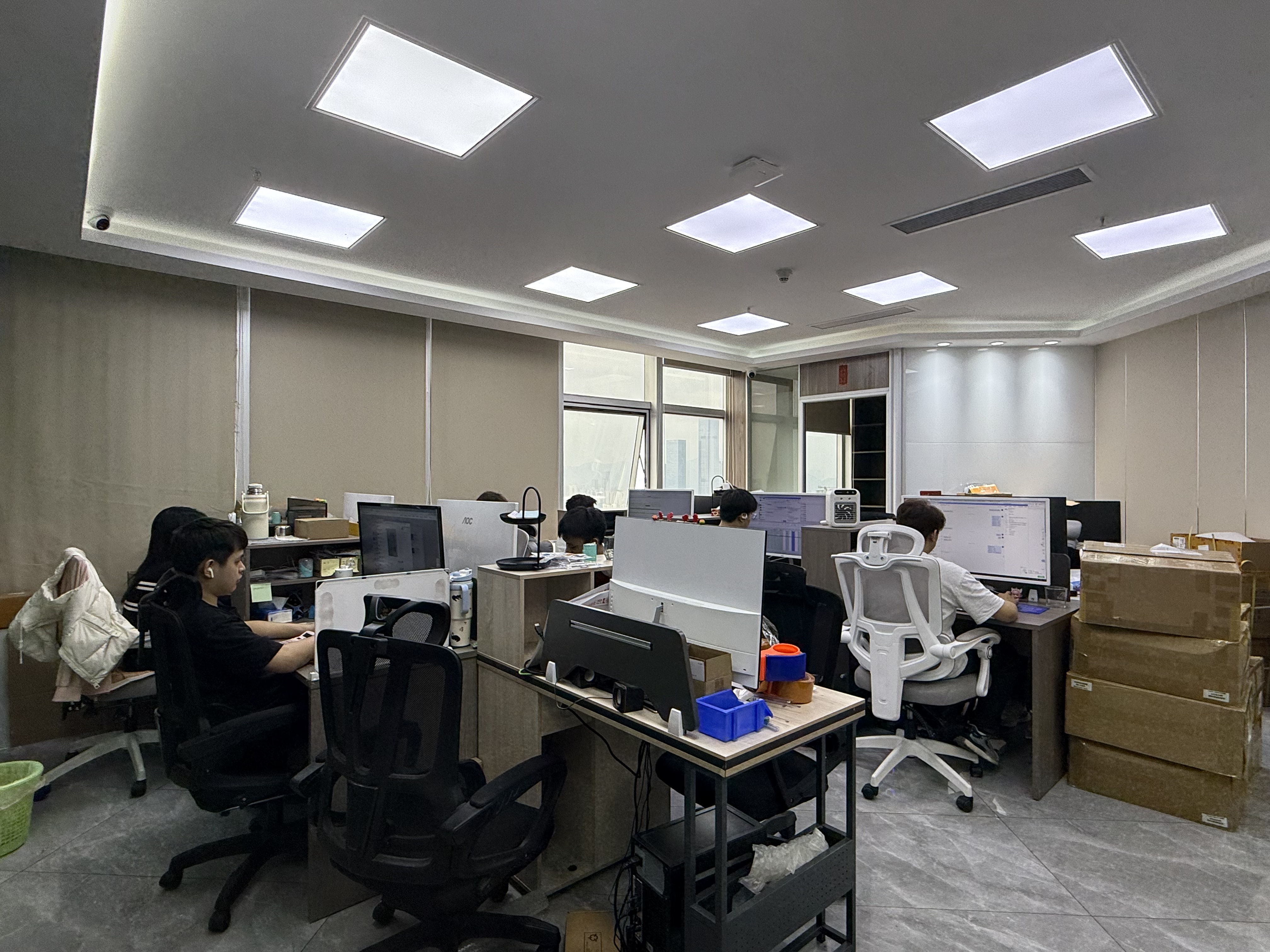
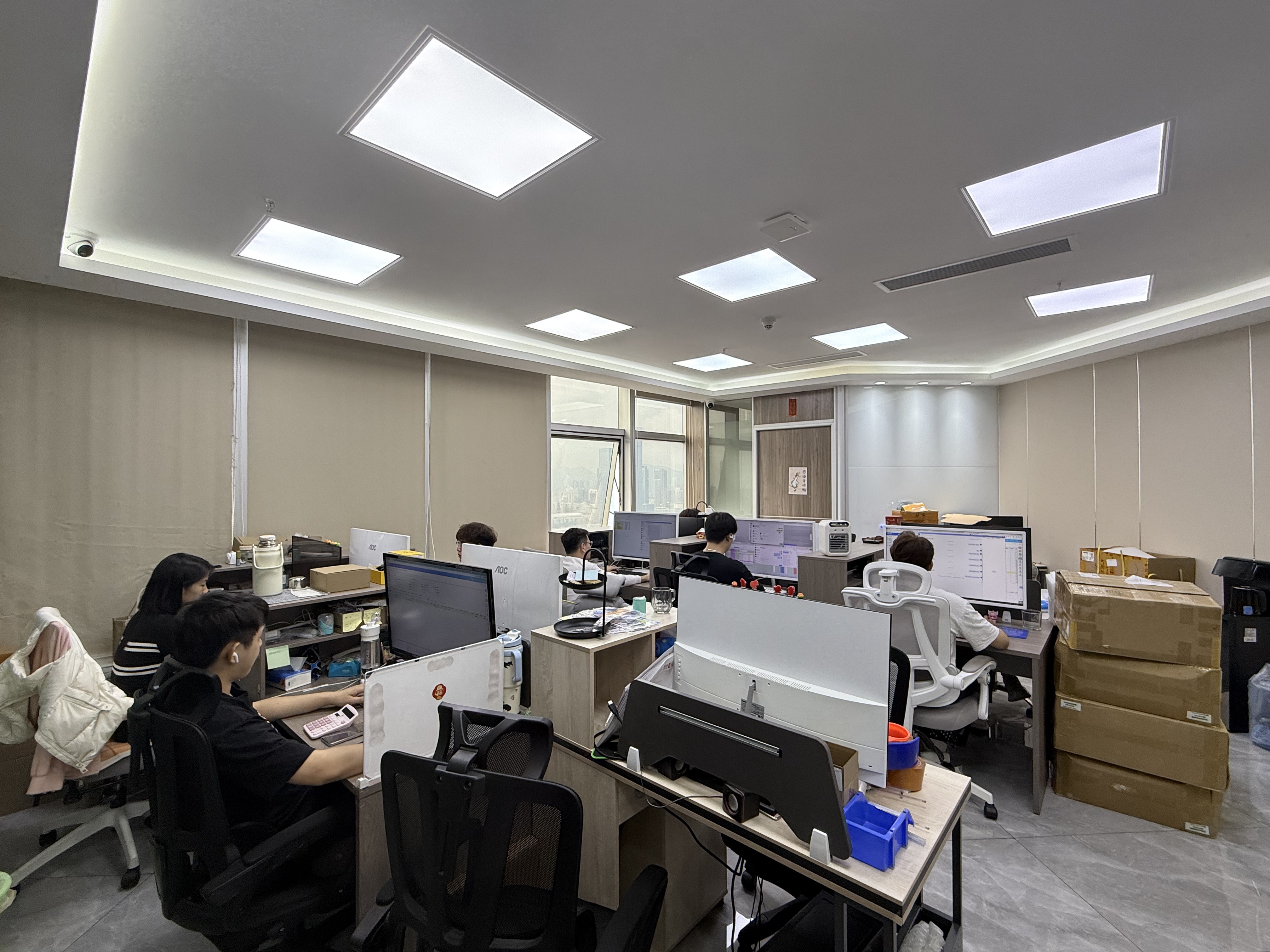
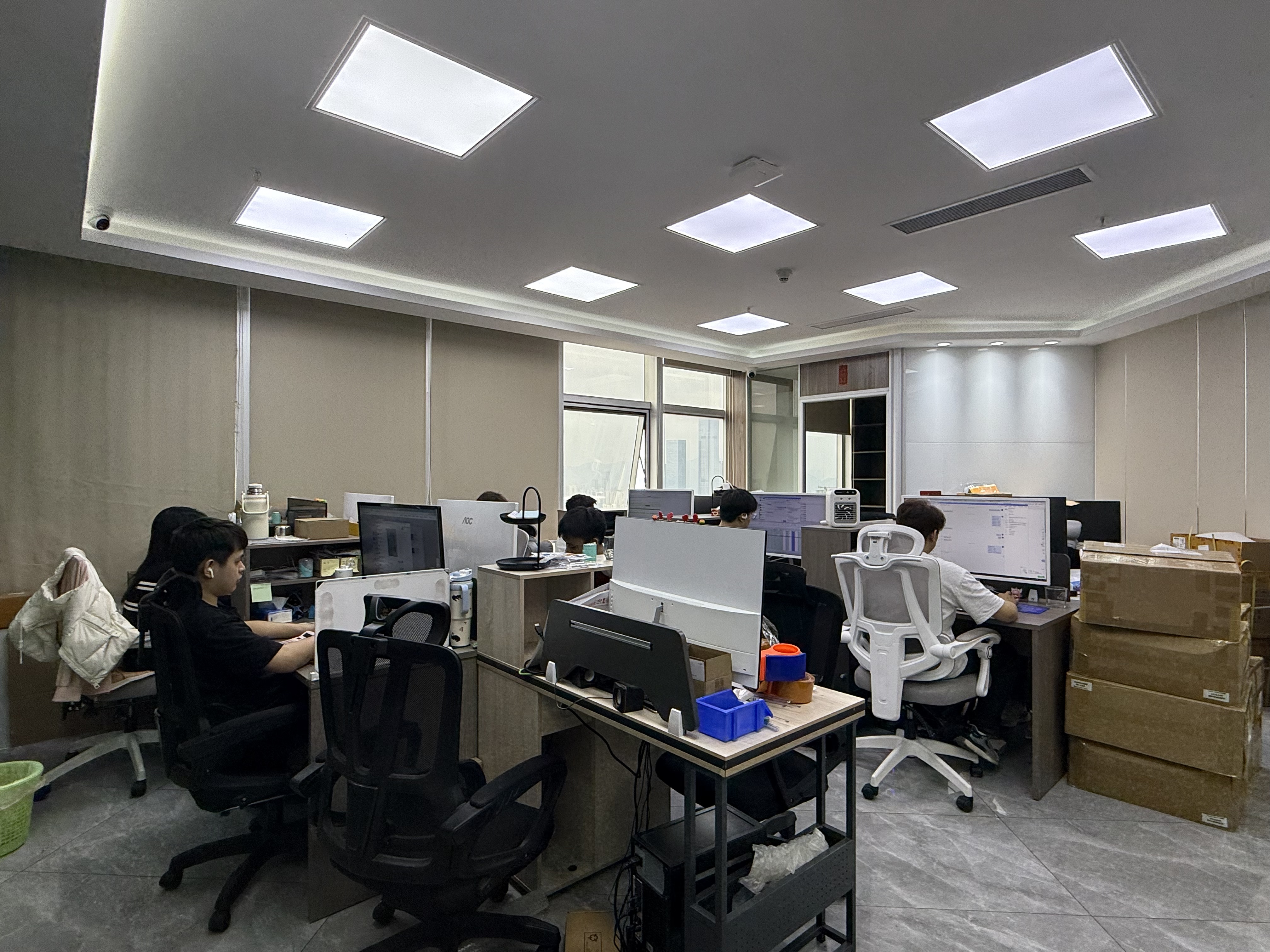
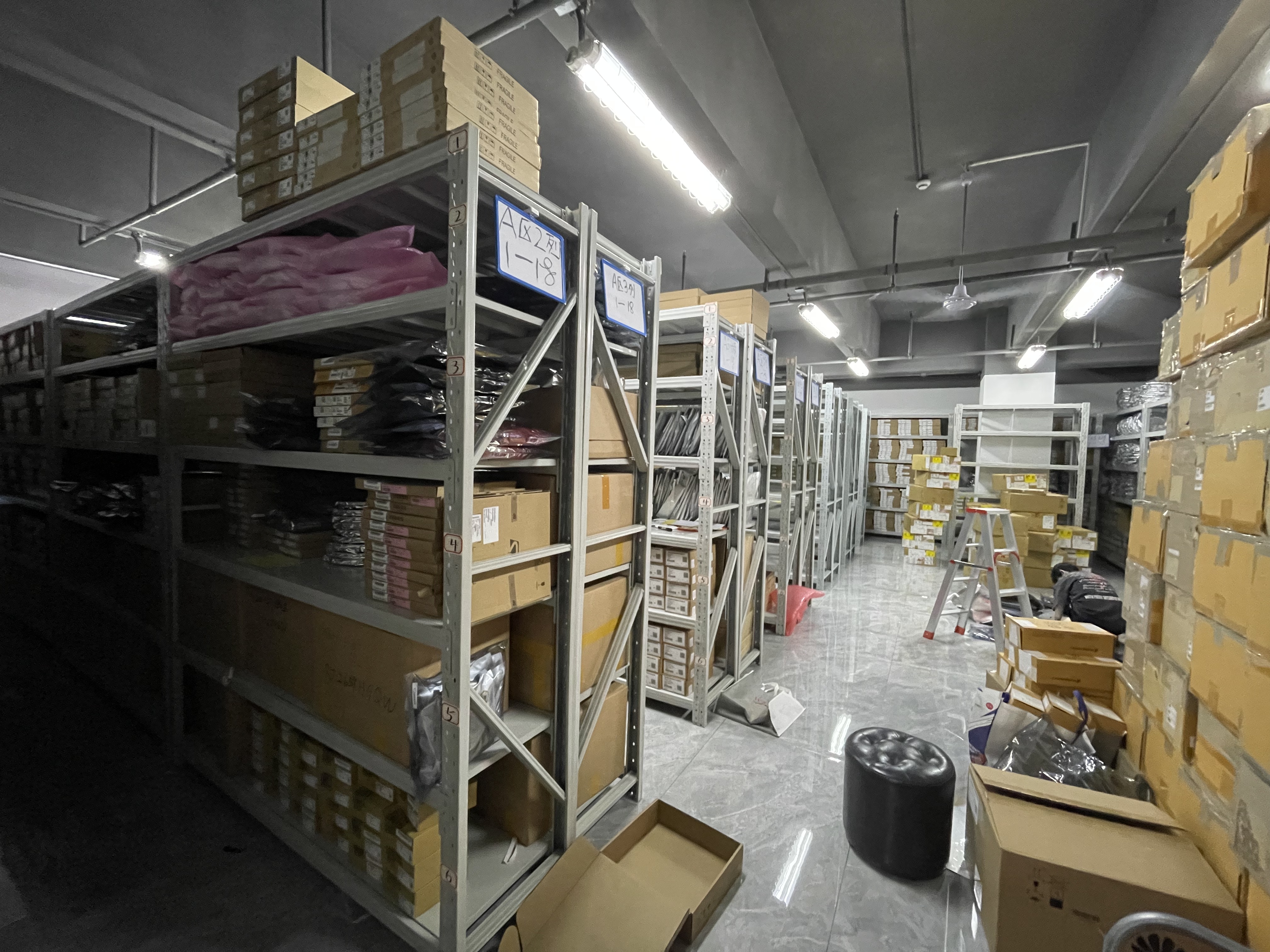
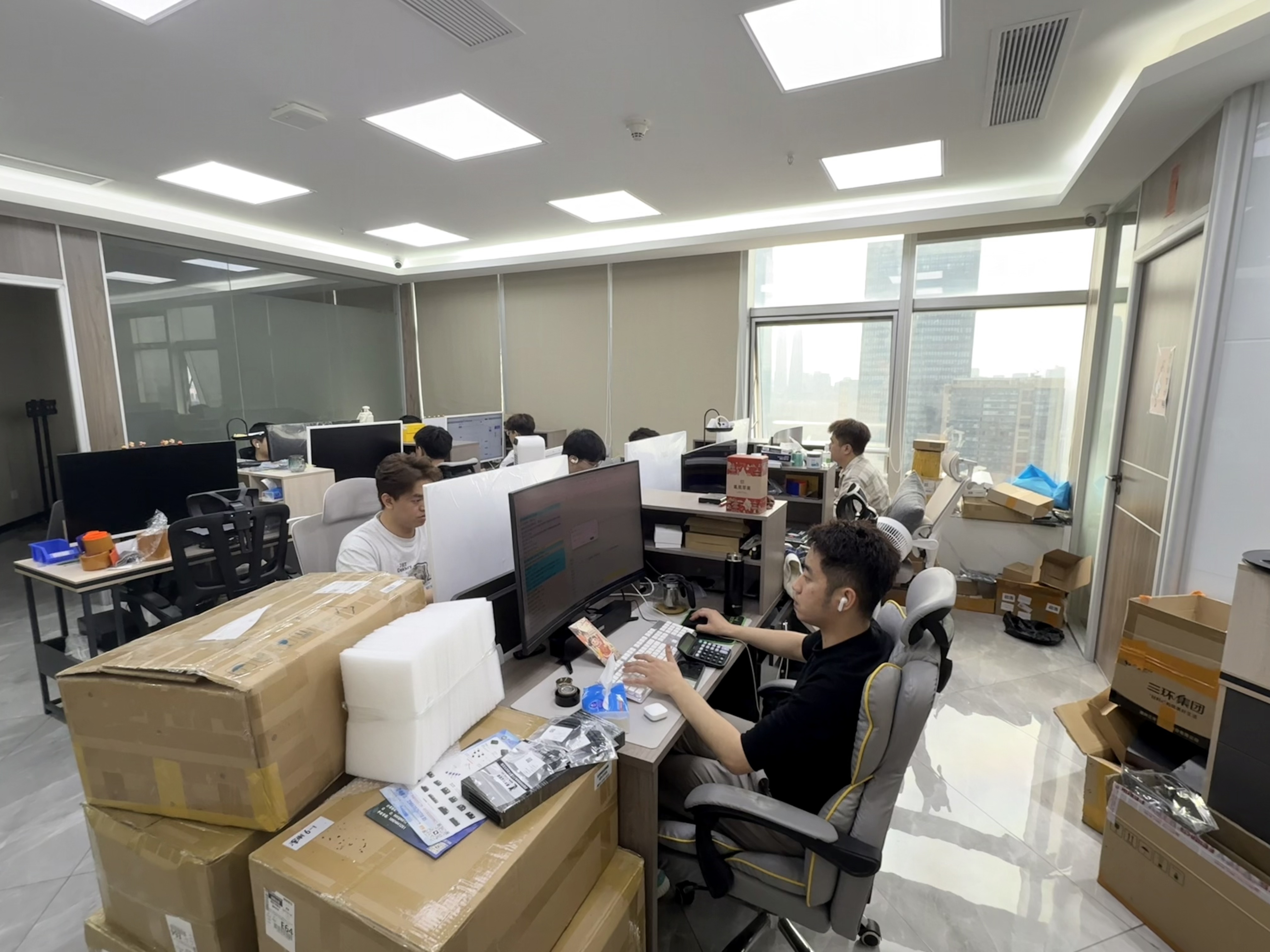
Yingchuang Technology is a professional international trading company specializing in electronic components. Headquartered in Shenzhen, we are committed to providing reliable and stable supply chain services to global customers. Adhering to the principles of quality first, efficiency and pragmatism, and long-term cooperation, we provide integrated component solutions for global manufacturers, distributors, and OEM/ODM companies.
We specialize in international electronic component trading, including integrated circuits (ICs), capacitors, resistors, connectors, transistors, diodes, and other active and passive electronic components. We provide global sourcing, supply chain solutions, and cross-border distribution services.
Company Address: Room 904, Metropolitan Building, No. 3018 Shennan Avenue, Futian District, Shenzhen, Guangdong Province, China
Expert guidance on component procurement, specifications matching, and quality validation.
Extended component catalog including RF chips, switching transistors, and power diodes for industrial assembly.