Winwon Chips
Winwon Chips
Winwon Chips
Explore our highly integrated core products, ensuring optimal performance across industrial, automotive, and power distribution infrastructures.
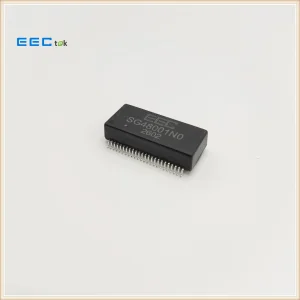
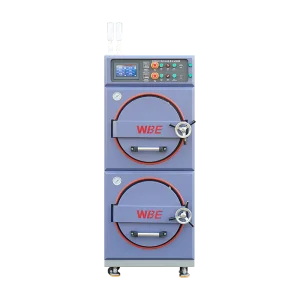
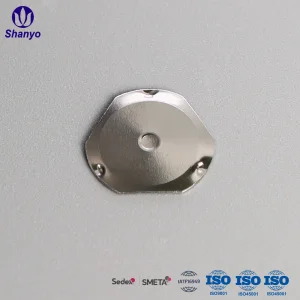
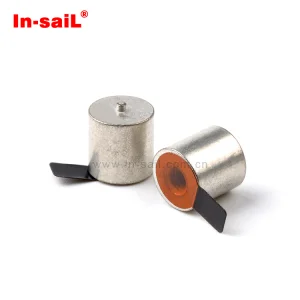
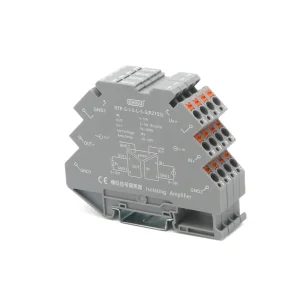
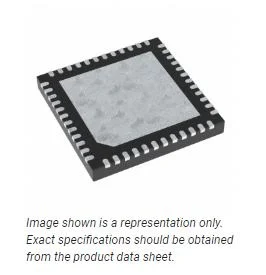
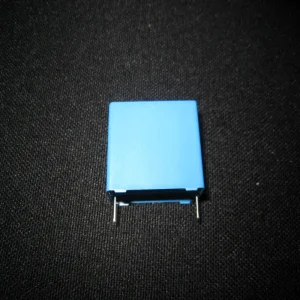
As microelectronics shift to higher frequencies and dense component packaging, the necessity for robust electromagnetic compatibility (EMC) becomes paramount. Yingchuang Technology serves as a core facilitator in this technology landscape. We specialize in international electronic component trading, including integrated circuits (ICs), capacitors, resistors, connectors, transistors, diodes, and other active and passive electronic components. We provide global sourcing, supply chain solutions, and cross-border distribution services.
Yingchuang Technology is a professional international trading company specializing in electronic components. Headquartered in Shenzhen, we are committed to providing reliable and stable supply chain services to global customers. Adhering to the principles of quality first, efficiency and pragmatism, and long-term cooperation, we provide integrated component solutions for global manufacturers, distributors, and OEM/ODM companies.
Demystifying the physics of EMI mitigation and Faraday cages in high-speed digital PCB systems.
Modern Integrated Circuit Shields block unwanted external RF signals and prevent high-frequency radiation emitted by microchips from corrupting neighboring circuits. This is accomplished via absorption, reflection, and multi-reflection losses. Designing shields involves choosing appropriate sheet metals (such as Nickel Silver or Tin-Plated Cold Rolled Steel) to serve as a high-permeability barrier against electromagnetic waves.
For high-frequency applications, skin effect limits penetration depth. At gigahertz levels, currents flow strictly on the surface of the metal barrier. However, shielding enclosures must incorporate ventilation apertures or mechanical lock pins. Controlling the maximum size of these apertures is critical; any opening larger than 1/20th of the target wavelength compromises the shield's ability to maintain high shielding effectiveness (SE).
High-performance microcontrollers, processors, and RF power amplifiers generate substantial heat along with electrical noise. Modern IC shield designs feature strategically placed ventilation patterns or integrate directly with thermal interface materials (TIMs) and custom heat sinks. This creates a dual-function mechanical enclosure that handles heat dissipation while maintaining complete Faraday cage integrity.
In high-speed, high-density electronic assemblies, board-level shielding acts as a vital security layer. It prevents magnetic flux leakage from high-current inductors and switching regulators, while also protecting sensitive analog front-ends (AFEs) from fast transient surges. Our integrated circuit shields are engineered to strict mechanical and coplanarity standards to ensure reliable surface mount technology (SMT) pick-and-place processing.
Comparing structural alloys, plating methods, and their direct impact on attenuation performance and solderability.
Selecting the right material involves a balance of budget, space, and assembly processes. For instance, Tin-Plated Cold Rolled Steel provides a cost-effective option for bulk commercial electronics, but requires careful storage to avoid oxidation at edge cuts. In contrast, Nickel Silver contains copper, nickel, and zinc, allowing it to be soldered directly to the ground plane without additional plating, saving steps in the post-stamping phase.
How our proximity to the world's dense electronic ecosystem enables rapid prototyping and short lead times.
Yingchuang Technology is located in the Futian District of Shenzhen, the global capital of hardware innovation and distribution. This strategic location offers unique supply chain advantages for international buyers:
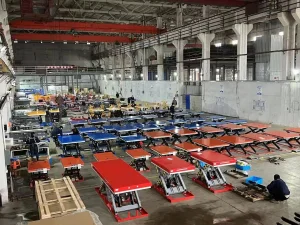
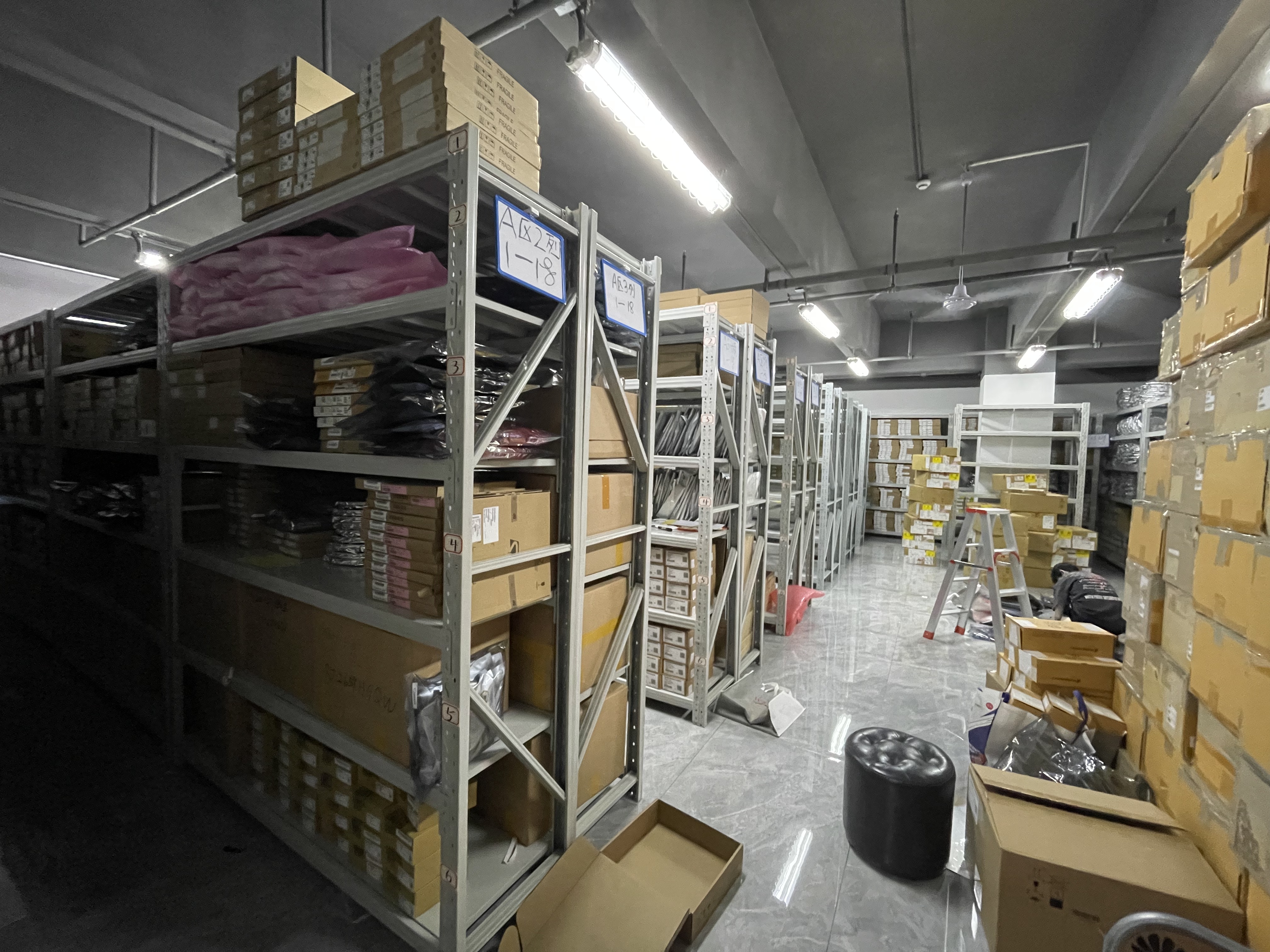
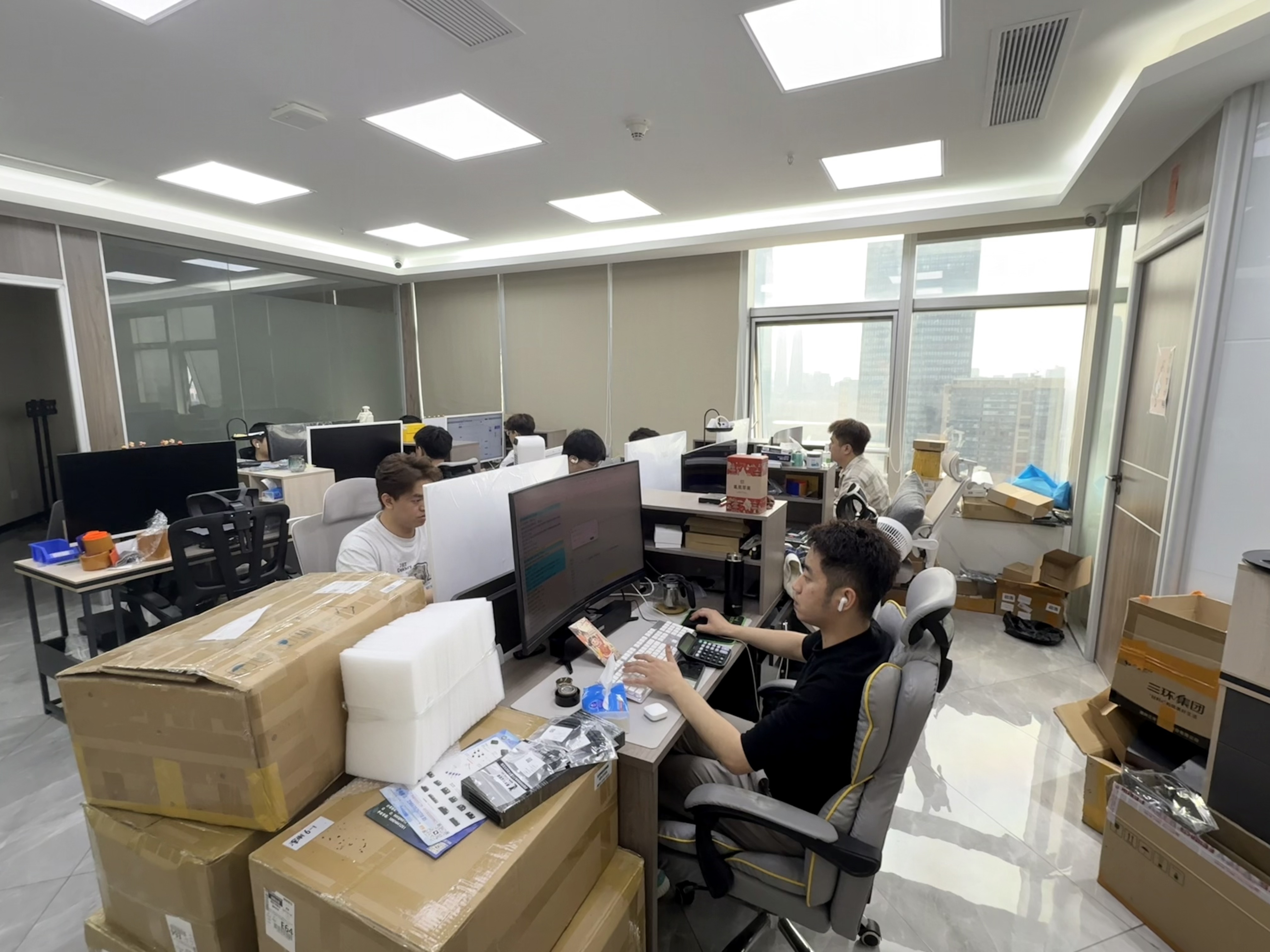
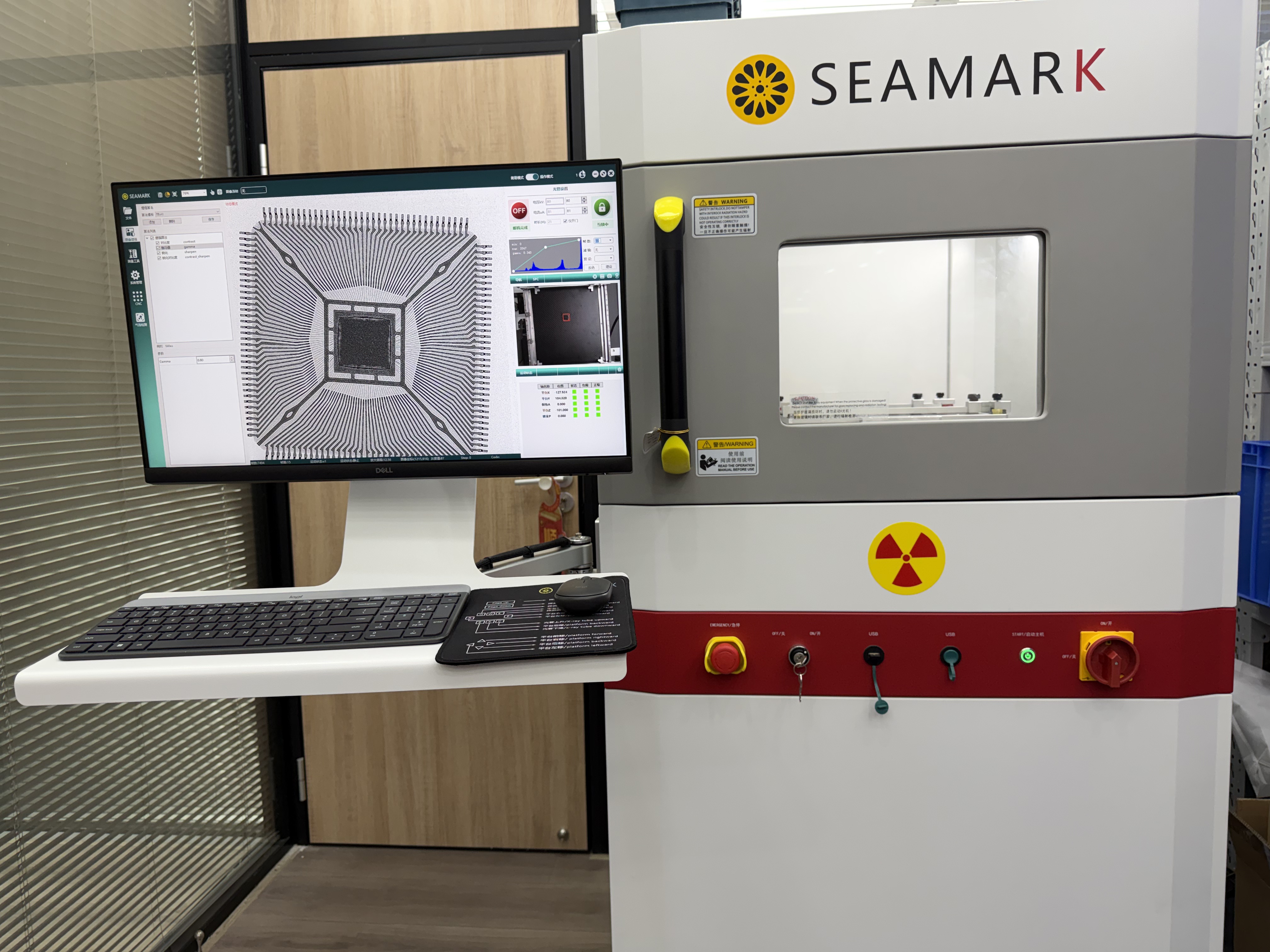
A look inside our visual inspection, clean packaging, precision CNC machining, and automated warehousing systems.

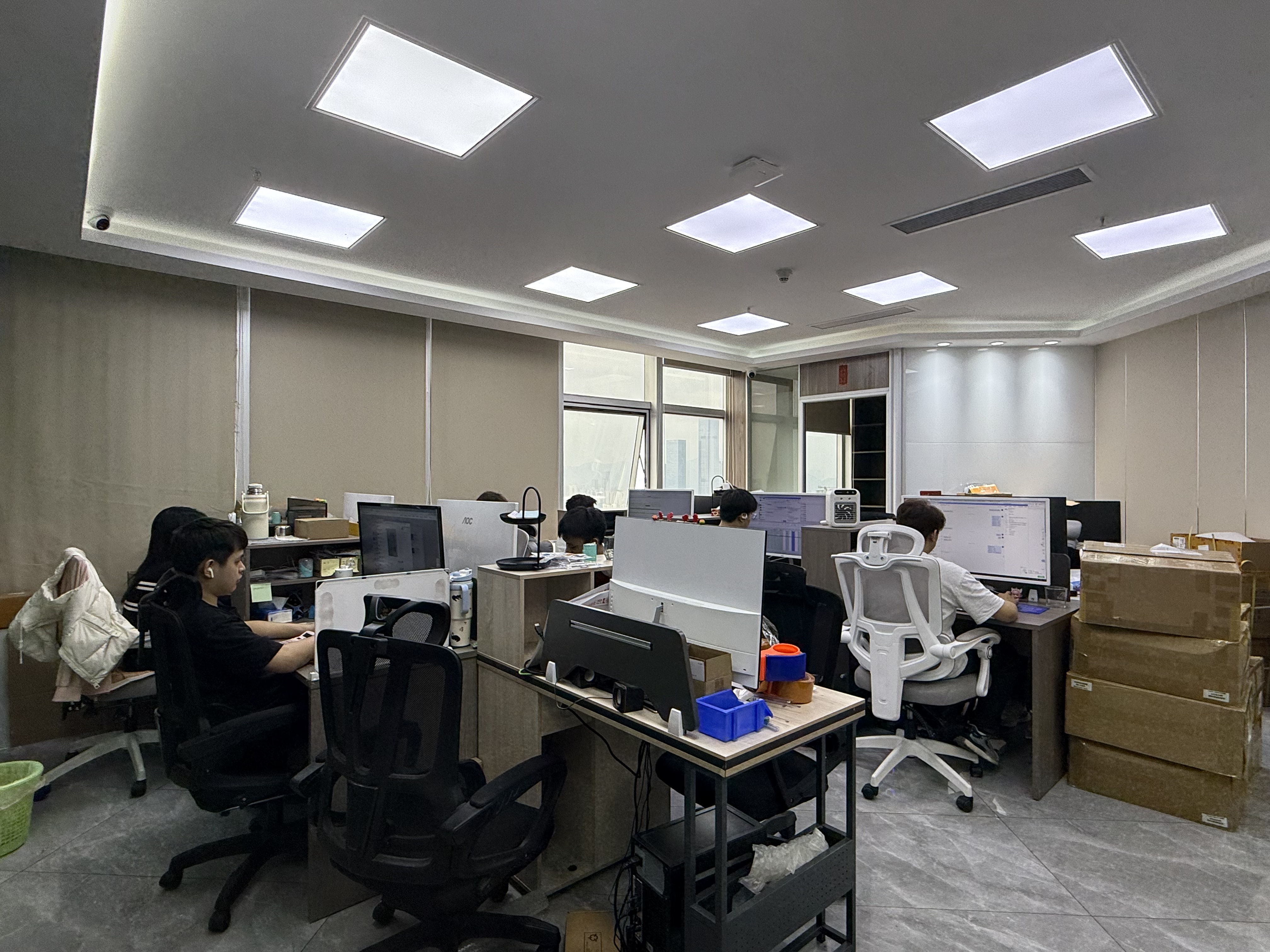
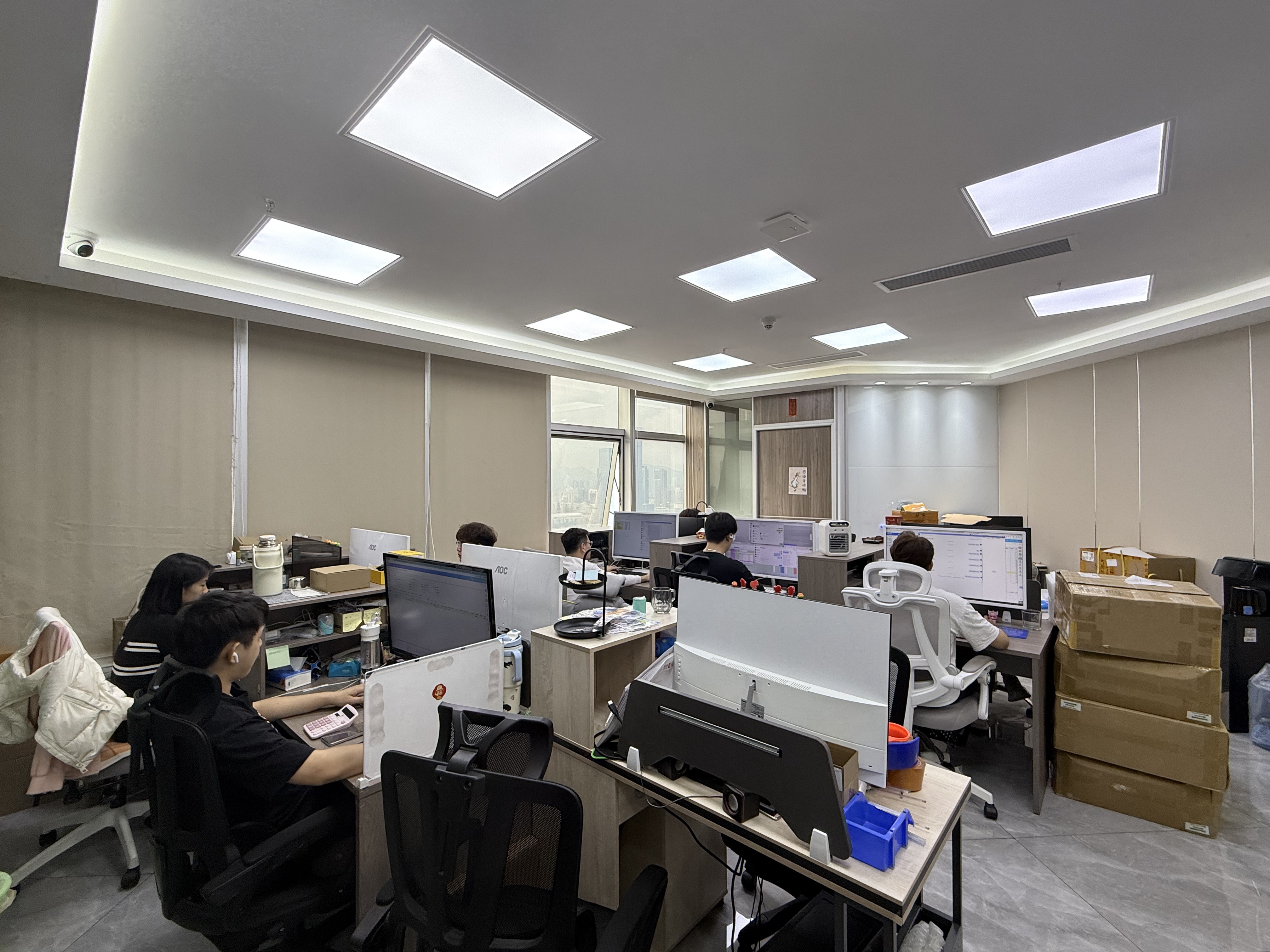
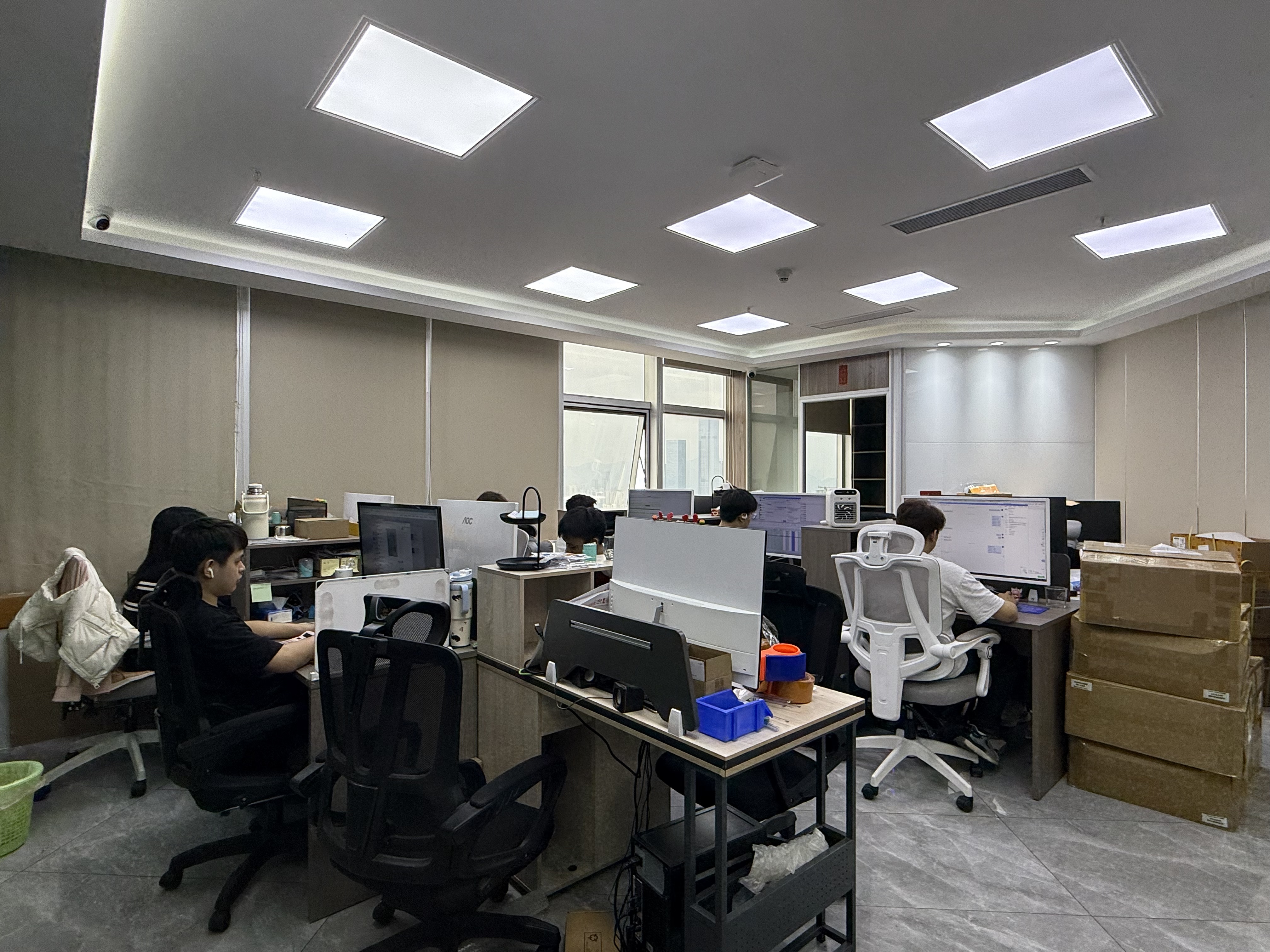
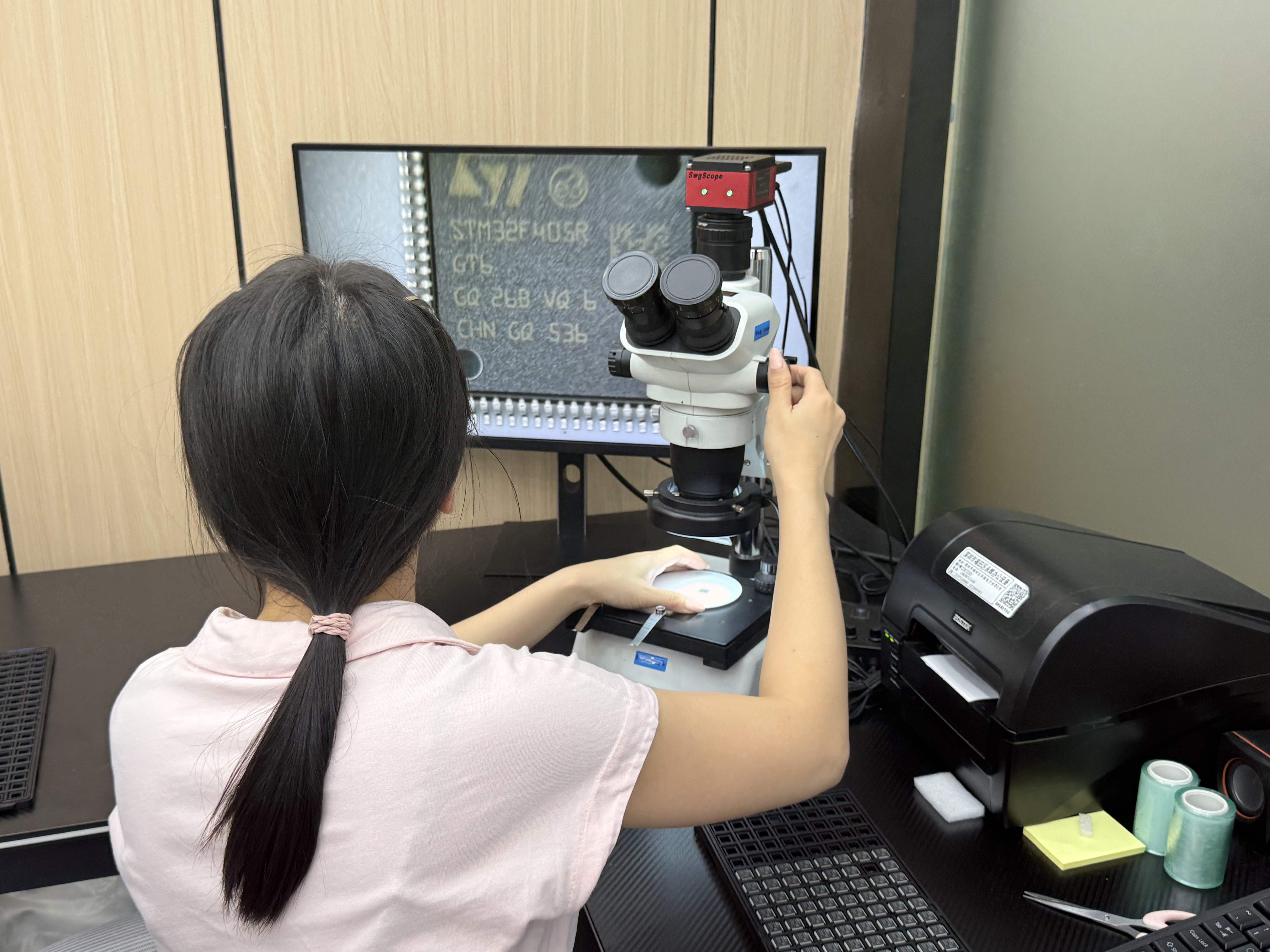
How high-density components, autonomous vehicles, and high-frequency communication drive the design of next-generation shielding.
As consumer electronics, IoT wearables, and medical implants shrink, we are engineering shields with profiles below 0.3mm. This requires high-durability alloys and ultra-thin draw radii to prevent structural cracking during production.
We are developing shielding cans with integrated phase-change materials and thermal graphite layers. This allows heat generated by dense ICs to be transferred directly to the shield casing and external chassis, eliminating secondary cooling parts.
High-frequency designs benefit from multi-cavity shield frames. This permits a single metal part to isolate multiple circuit blocks (e.g., baseband, power amplification, and local oscillator stages) simultaneously, simplifying SMT assembly and reducing bill-of-material (BOM) costs.
High-integrity board-level shielding is essential in complex electromagnetic environments.
Modern electric vehicles generate intense electromagnetic fields due to high-power motor drivers and battery management systems. Our shields protect sensitive LiDAR, radar sensor modules, and communication boards from low-frequency powertrain interference.
High-speed transceivers operating at millimeter wave bands require reliable EMI boundaries to prevent cross-talk and phase distortion. Our specialized Nickel Silver multi-cavity shields isolate these signals, ensuring clear data transmission.
Electrocardiogram (ECG) readouts and high-definition imaging equipment deal with microvolt-range inputs. Even minor external electromagnetic fields can distort this data. Our high-permeability enclosures safeguard these sensitive analog stages.
How we align our manufacturing with global regulatory standards to ensure drop-in readiness for OEM/ODM lines.
Yingchuang Technology handles quality control in line with international electronic component trading and manufacturing standards. Each production batch undergoes testing to ensure consistency across multiple key areas:
Get a comprehensive Design for Manufacturability review on your custom metal shielding drawings from our engineering team.
Contact Our EngineersTechnical and logistical insights for global procurement managers and hardware design engineers.
Browse our complete range of active, passive, and mechanical products designed for industrial networks and precision electronics.