Winwon Chips
Winwon Chips
Winwon Chips
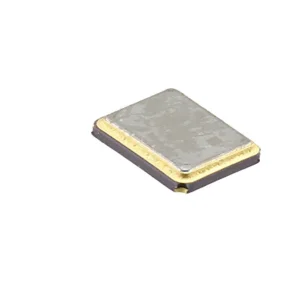
Explore our highly-requested active, passive, and mechanical solutions curated directly for international wholesale supply.
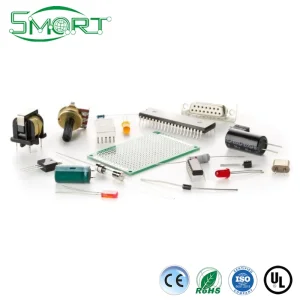
Achieving system optimization where traditional monolithic integrated circuits and discrete printed circuit boards encounter thermal and physical limits.
In modern electronic warfare, critical aerospace telemetry, high-current automotive drive-trains, and medical life-support machinery, the trade-off between performance density and device longevity is stark. Standard monolithic Integrated Circuits (ICs) provide exceptional logical processing capability but fail to efficiently manage high heat loads, high operational voltages, or discrete component variations. Conversely, traditional Surface Mount Technology (SMT) on standard FR4 PCBs requires large board surfaces and suffers from significant parasitic capacitance and inductance.
Hybrid Integrated Circuits (HICs) resolve this design tension by printing precise passive networks directly onto ceramic substrates (such as Alumina, Beryllium Oxide, or Aluminum Nitride) and bonding bare semiconductor dies and microchips directly onto the same ceramic surface. This technique minimizes signal loss, improves thermal dissipation, and maximizes electrical reliability.
| Technology Parameter | Monolithic Integrated Circuits | Traditional SMT on PCB (FR4) | Hybrid Integrated Circuits (Thick/Thin Film) |
|---|---|---|---|
| Thermal Conductivity | Low to Moderate (substrate dependent) | Extremely Low (0.25 - 0.5 W/m·K) | High to Exceptional (25 - 200 W/m·K) |
| Component Integration | Limited passives, semiconductor-bound | Broad array, high board-area requirement | Unrestricted mixing of silicon, passives, inductors |
| High Voltage Tolerance | Low (typically < 100V) | Moderate (restricted by creepage distances) | Excellent (> 1000V with substrate isolation) |
| Parasitic Inductance | Minimal inside die, high package-level | High due to copper trace lengths | Negligible via wire bonding & direct trace print |
Years Supply Chain Experience
MIL-STD-883 / QA Compliance
Low Component Failure Rate (DPPM)
Futian Shenzhen Tech Hub Support
Exploring the next frontier of microelectronic packaging, substrate advancements, and high-density integration strategies.
LTCC represents the current state of the art for high-frequency microwave applications. Multi-layer ceramic structures are laminated together and fired at temperatures under 900°C, enabling the integration of gold, silver, and copper conductors. This delivers unmatched dielectric properties and low trace resistance for 5G, radar, and satellite communication components.
As Silicon (Si) power devices reach their physics-driven limits, integrating Wide-Bandgap (WBG) materials like GaN and Silicon Carbide (SiC) within hybrid packaging has become essential. Our technology roadmap supports high-frequency power switching devices on direct-bonded copper (DBC) ceramic substrates for optimal thermal matching and cooling.
By blending traditional thick-film hybridization with modern 3D IC stacking (SiP), we are enabling space-constrained applications to reduce their footprint by up to 75%. Active components, sensing elements, and high-Q passives can be stacked vertically, reducing circuit parasitic parameters and simplifying system board routing.
Custom microelectronic designs built to conquer extreme operating conditions, thermal stress, and dimensional constraints.
Modern Electric Vehicles require high-power DC-DC converters, motor controllers, and battery management systems (BMS) that operate under severe ambient temperatures and vibrational stresses. We supply high-durability power hybrids built on Aluminum Nitride (AlN) substrates to ensure continuous thermal dissipation and high isolation voltages up to 5kV.
Aerospace telemetry and guidance platforms operate in high-radiation, extreme-vibration, and low-pressure environments. By utilizing hermetically sealed metal-can packages or ceramic flat-packs combined with certified gold wire-bonding, our custom hybrid circuits satisfy military standards, guaranteeing high MTBF (Mean Time Between Failures) ratings.
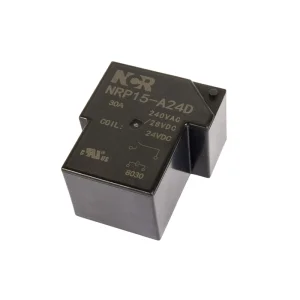
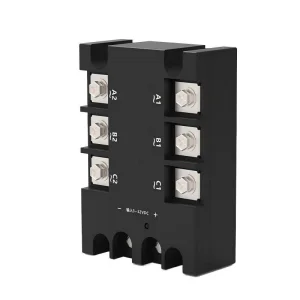
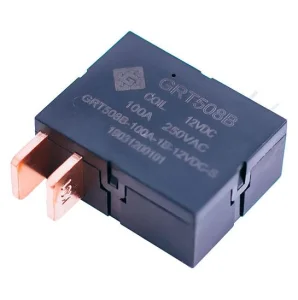
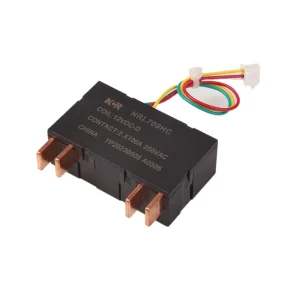
Solid-state relays, smart energy meters, and industrial transformers demand isolation mechanisms that standard board layouts cannot guarantee. Utilizing high-performance components such as 100A UC2 compliant latching relays and high-reliability ICs, our designs isolate raw line voltage transitions from delicate microprocessor control logic.
Reliability is critical for implantable devices like pacemakers and complex external diagnostic machines. Here, custom thin-film hybrid networks provide extreme precision down to 0.1% resistor tolerances, enabling stable signal amplification and long-term diagnostic tracking over decades of operational lifespan.
Combining the strength of Yingchuang Technology with Futian District’s unmatched electronics ecosystem.
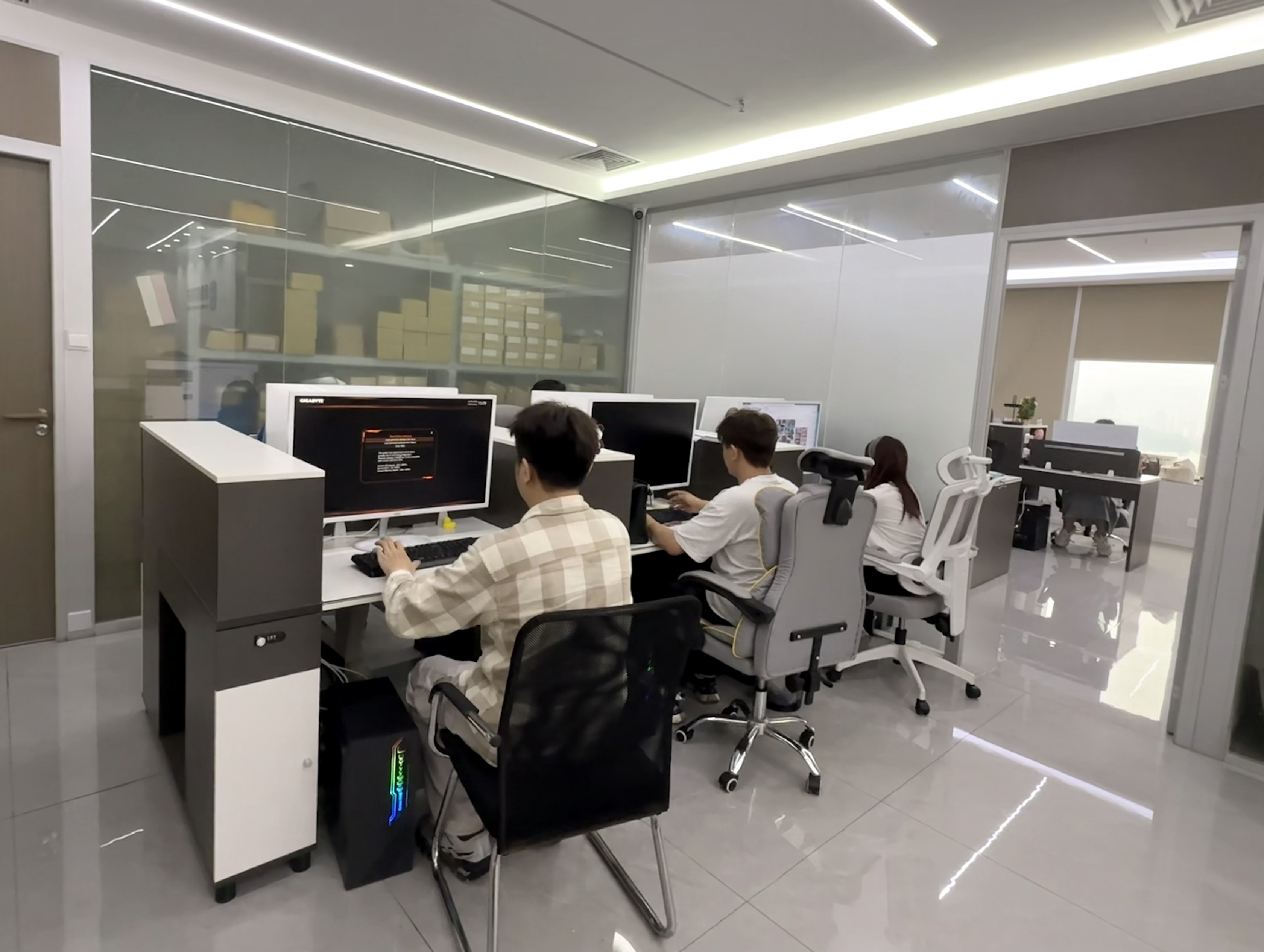
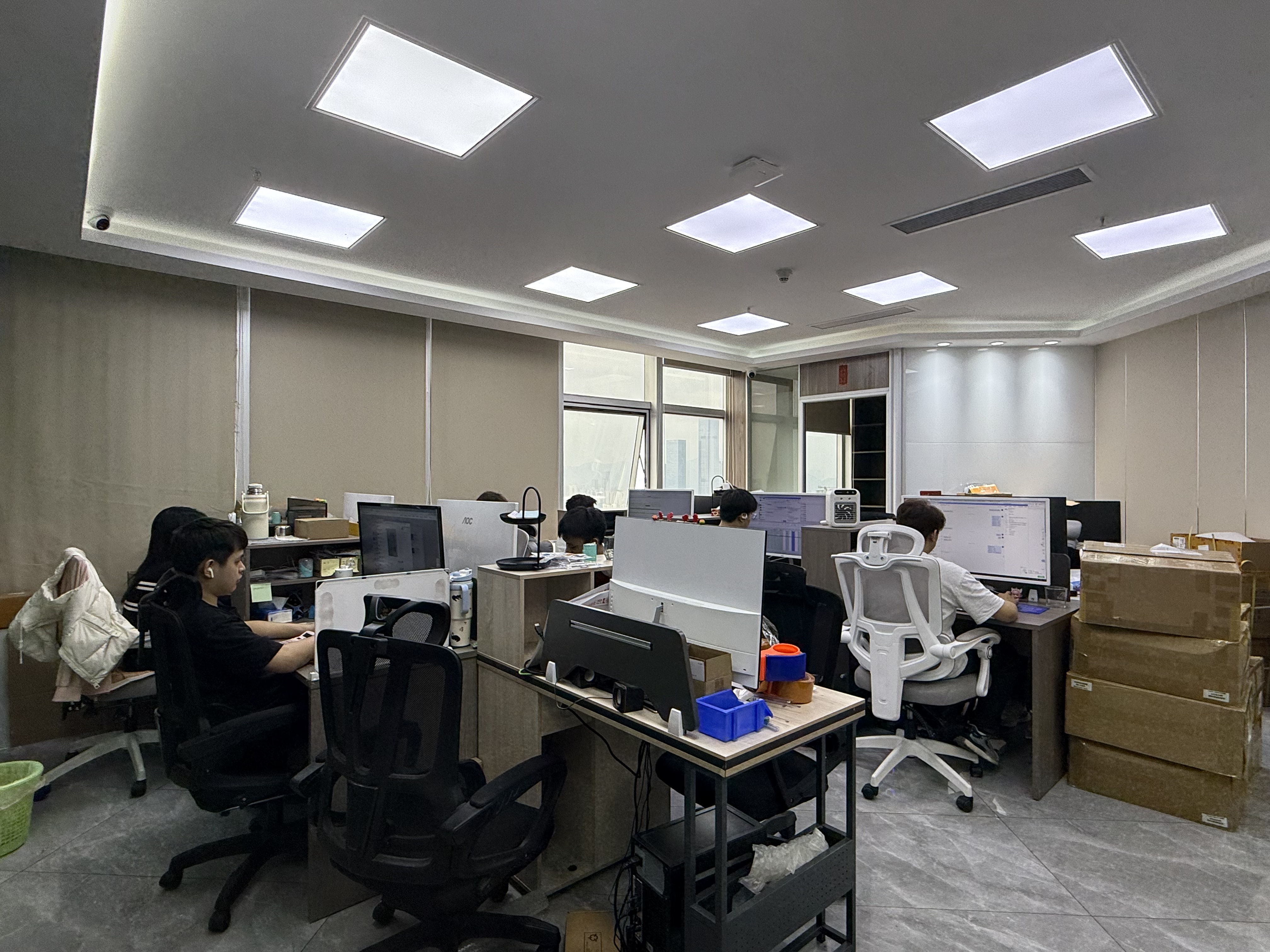
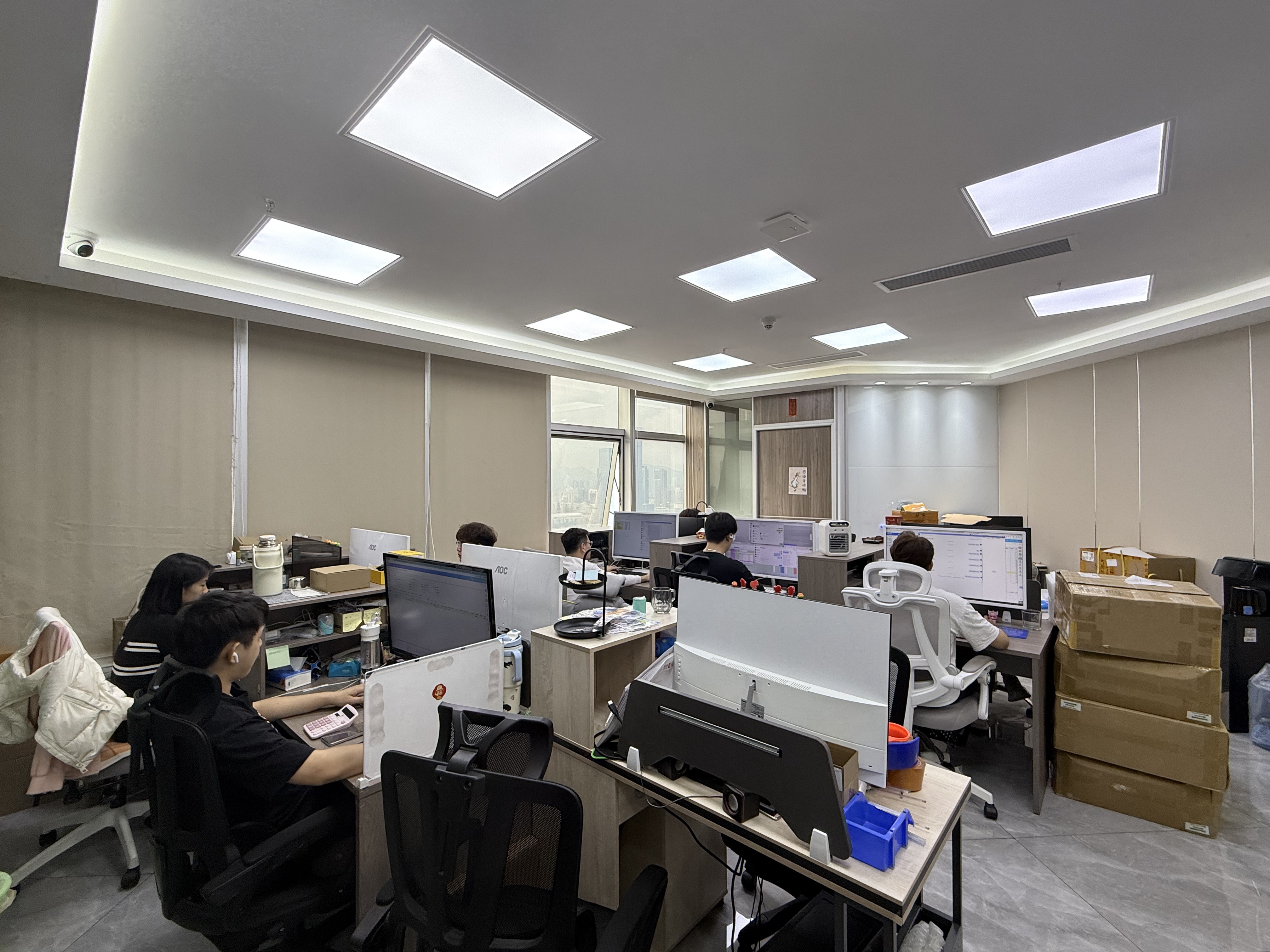
Located in the heart of the global electronics capital—Room 904, Metropolitan Building, No. 3018 Shennan Avenue, Futian District, Shenzhen—Yingchuang Technology is uniquely positioned to streamline component supply chains.
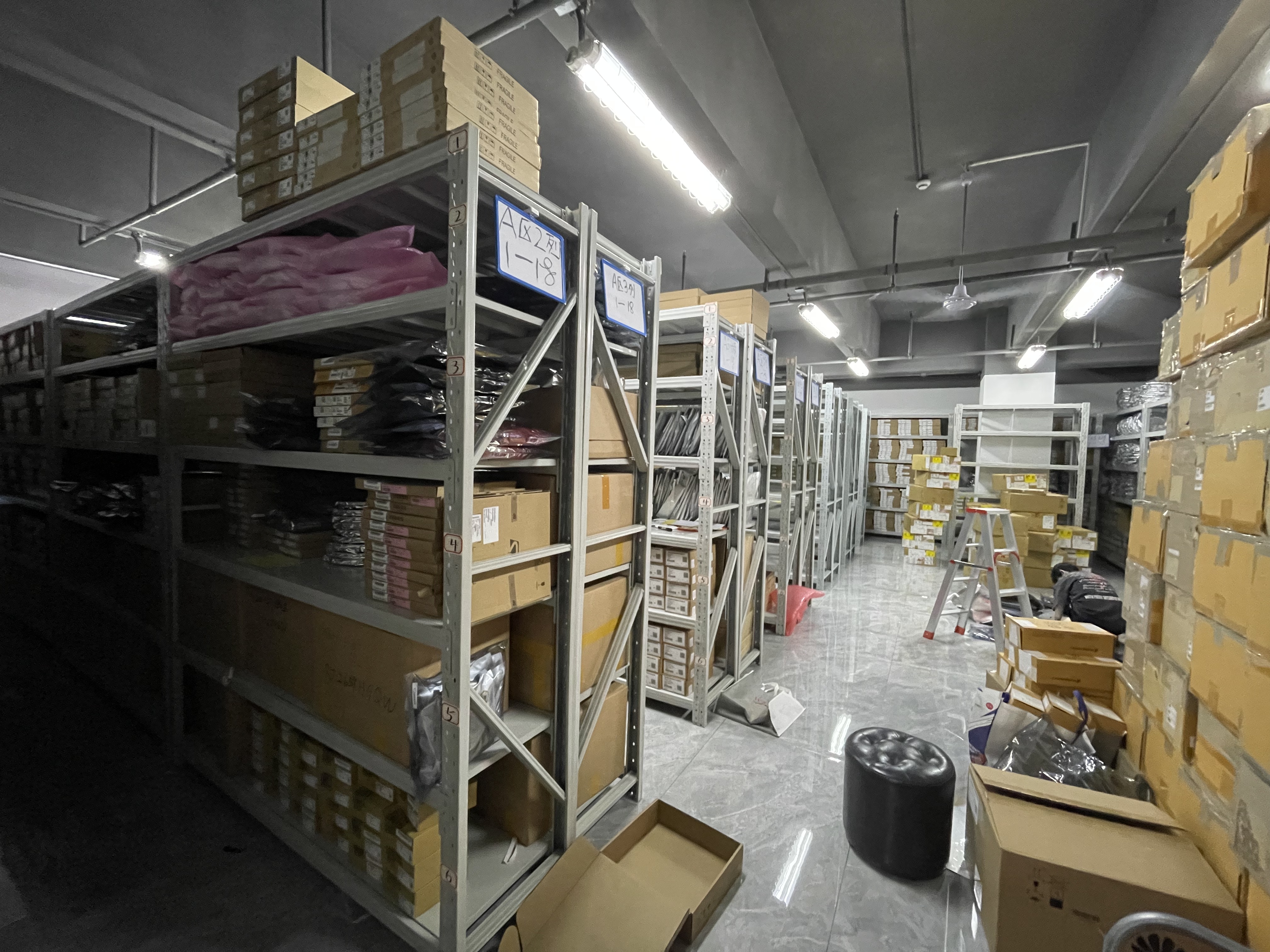
Futian District represents the world's most concentrated microelectronics ecosystem. Our proximity to silicon fabs, component packaging plants, and high-volume automated testing facilities reduces logistical wait times from weeks to days. By integrating local production networks under one quality management system, we mitigate supply chain fragmentation, provide comprehensive component cross-referencing, and stabilize wholesale pricing.
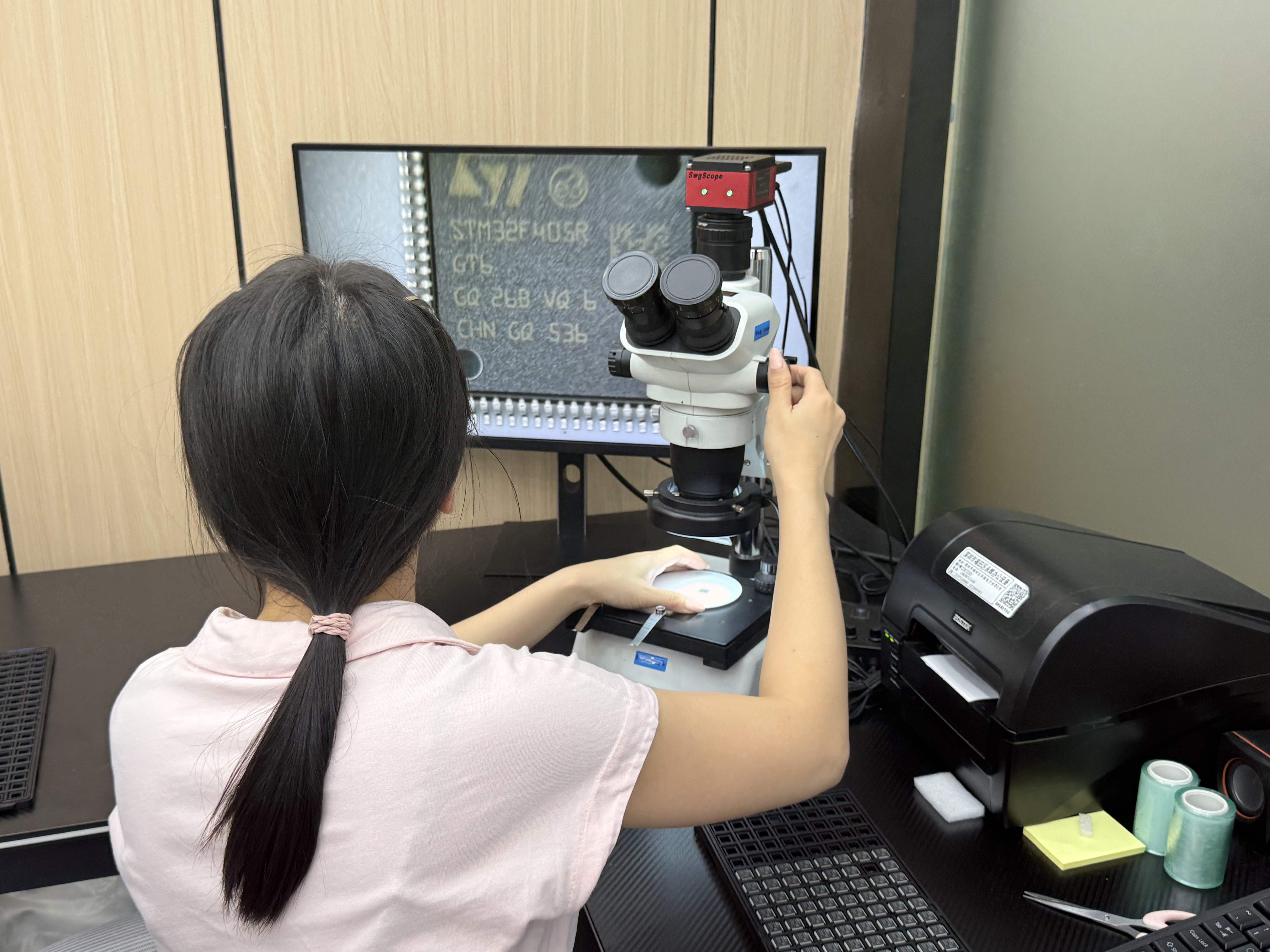
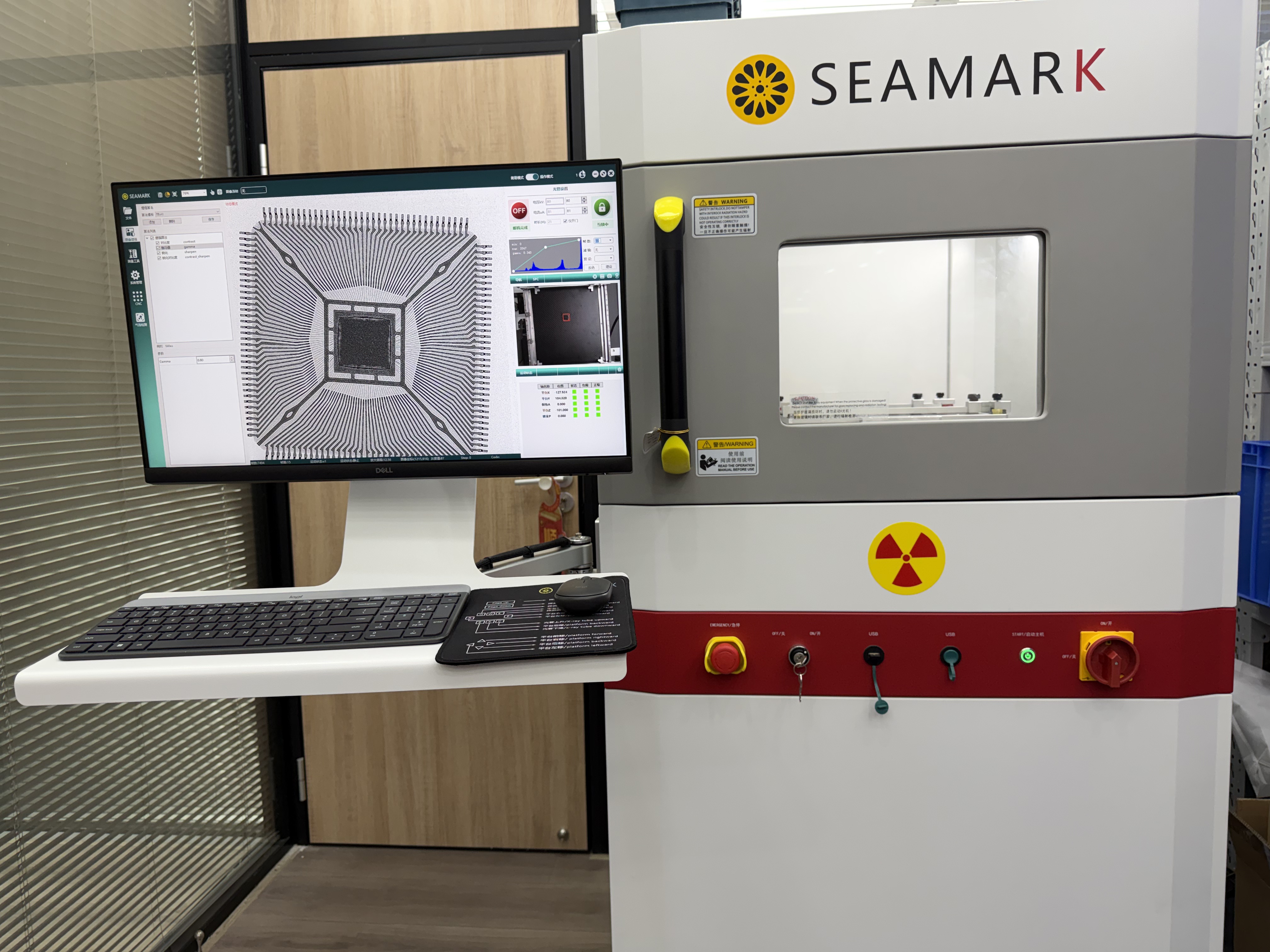
Our Quality Management Division employs continuous inspection protocols: Automated Optical Inspection (AOI), X-ray substrate inspection, thermal shock burn-in testing, and high-frequency vector network analysis. This ensures every hybrid unit shipped meets target parameters, minimizing production-line downtime for OEM/ODM partners.
Ensuring compliance with international electronics manufacturing standards and regional environmental laws.
We certify that our high-reliability components, hybrid circuits, and active/passive devices are manufactured using lead-free processes, satisfying all requirements of RoHS Directive 2011/65/EU and REACH (EC No 1907/2006).
Counterfeit electronics present significant risks to system integrators. By enforcing strict inspection protocols, packaging audits, and digital material trace reports, we ensure 100% genuine component deliveries.
For long-term contracts in medical and industrial markets, we offer active component cross-matching, pin-compatible redesign support, and component storage plans to mitigate risk during silicon EOL cycles.
Addressing engineering challenges, material selection, and global supply logistics for hybrid microelectronics.
We offer three primary substrate configurations based on application requirements: Alumina (96% to 99.6% Al2O3), Beryllium Oxide (BeO), and Aluminum Nitride (AlN). Alumina serves as the standard substrate for low-to-medium heat profiles. Beryllium Oxide and Aluminum Nitride are reserved for high-power radar, power electronics, and aerospace modules due to their superior thermal conductivity (~200 W/m·K for AlN versus ~25 W/m·K for Alumina).
Thick-film hybrid circuits use screen-printing processes to deposit conductive, resistive, and dielectric pastes onto a ceramic base, with line resolution limits of approximately 75-100 microns. It is cost-effective, rugged, and ideal for high-power circuits. Thin-film technology uses physical vapor deposition (sputtering) to apply thin layers of metal, patterned with photolithography. This provides sub-10 micron trace resolution and high resistor stability (typically 0.1% or better), making it suited for high-frequency microwave and precision analog instruments.
We follow a zero-tolerance anti-counterfeiting program. All components are sourced directly from authorized manufacturers or franchise distributors. Every batch is cataloged at our Shenzhen warehouse and subjected to automated optical evaluation, decapsulation inspection (if required), and electrical test correlation against original manufacturer specifications. We provide complete manufacturing documentation and certificate of conformance reports (CoC) upon request.
Our strategic supply partners and quality control protocols comply with IATF 16949 for automotive systems integration and ISO 9001:2015 for general manufacturing quality management. For military-grade applications, components are processed in environments that meet MIL-STD-883 class criteria, ensuring high mechanical strength, trace density, hermeticity, and resistance to environmental stress.
Yes. Our reverse-engineering and modernization team specializes in re-engineering obsolete hybrid modules. We review the original module's schematic, pin configurations, power levels, and signals to design a functional, pin-compatible replacement using modern substrates and active components. This extends the operational life of industrial capital machinery without requiring a complete system overhaul.
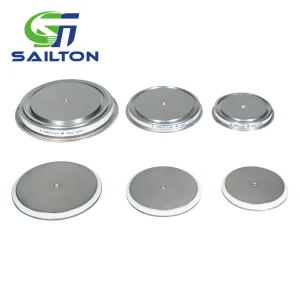
High-reliability relays, transformers, and semiconductor components optimized for heavy industrial and power systems.
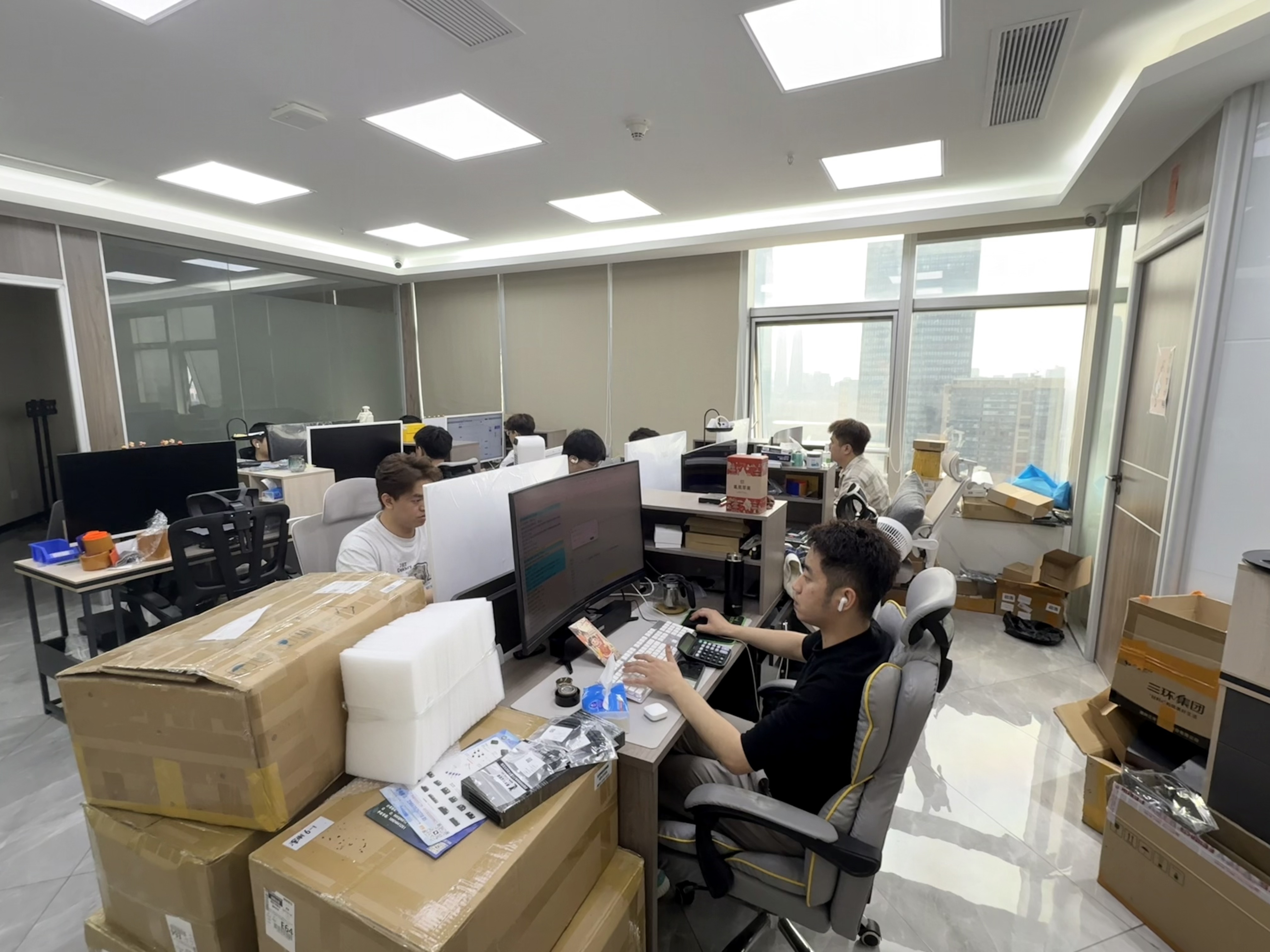
Yingchuang Technology is a professional international trading company specializing in active and passive electronic components. Headquartered in Shenzhen, we are committed to providing reliable and stable supply chain services to global customers. Adhering to the principles of quality first, efficiency and pragmatism, and long-term cooperation, we provide integrated component solutions for global manufacturers, distributors, and OEM/ODM companies.
We specialize in international electronic component trading, including integrated circuits (ICs), capacitors, resistors, connectors, transistors, diodes, and other active and passive electronic components. We provide global sourcing, supply chain solutions, and cross-border distribution services.
Company Address:
Room 904, Metropolitan Building, No. 3018 Shennan Avenue, Futian District, Shenzhen, Guangdong Province, China
Connect with our component engineering team in Shenzhen for custom RFQ support and microelectronic datasheets.
Email Global Desk