Winwon Chips
Winwon Chips
Winwon Chips
Explore high-precision measurement systems, active integrated circuits, and control units deployed globally.
Navigating the transition toward smart grids, high-frequency industrial power systems, and electric vehicle infrastructures.
In the modern electrical engineering landscape, Current Transformers (CTs) act as the indispensable sensory organs of the power grid. They scale down high primary currents into standardized, manageable secondary currents, allowing monitoring instruments, protection relays, and smart meters to function with high precision. Driven by the global push for renewable energy integration, smart grids, and EV charging station rollouts, the demands placed on CT manufacturers are shifting rapidly.
Historically, current transformers were characterized by heavy silicon steel cores designed to operate at 50Hz or 60Hz. Today's commercial and industrial environments require high-frequency responses, minimal phase angle errors, and integration with complex data-acquisition chipsets (such as digital potentiometers and high-speed analog-to-digital converters). Sourcing managers are looking beyond simple component metrics to seek structural partnerships with integrated supply hubs capable of guaranteeing raw material traceabilities, core permeability ratings, and compliance with standards such as IEC 61869-2 and IEEE C57.13.
Matching grid requirements with specific current transformer and instrumentation methodologies.
| Transformer Type | Core Material Option | Primary Current Range | Typical Accuracy Class | Primary Industrial Application |
|---|---|---|---|---|
| Solid-Core (Toroidal) CTs | Nanocrystalline / Permalloy | 1A to 2000A | 0.2S, 0.5S | Smart Billing Meters & Precision Industrial Monitoring |
| Split-Core CTs | Silicon Steel / Ferrite | 5A to 5000A | 0.5, 1.0 | Retrofitting Systems, Sub-metering & Building Management |
| Rogowski Coils | Air Core (Flexible) | Up to 100kA | 1.0% typical | Transient Current Monitoring & High-Voltage Substations |
| High-Frequency CTs | Manganese-Zinc Ferrite | mA to 50A | High Precision at kHz-MHz | Switch Mode Power Supplies (SMPS) & Solar Inverters |
How China's leading exporters are leveraging materials science to meet extreme environments.
Transitioning from traditional hot-rolled silicon steels to ultra-thin nanocrystalline cores. This shift drastically reduces hysteresis losses and mitigates saturation phenomena, enabling reliable operation even in the presence of DC offset currents commonly induced by modern photovoltaic systems.
By embedding smart sensor modules equipped with localized analog-to-digital converters and bus interfaces (such as RS485/Modbus or IEC 61850 protocol stacks), newer current transformer units can directly transmit digitized telemetry data, eliminating analog signal degradation over long distances.
Encapsulated with premium epoxy resin formulas and rated up to IP67 protection levels, modern CTs designed in China are fully optimized for harsh outdoor substation environments, offshore wind farms, and tropical regions plagued by extreme thermal variations and humidity.
Bridging component supply chains to deliver comprehensive power conversion and system management solutions.
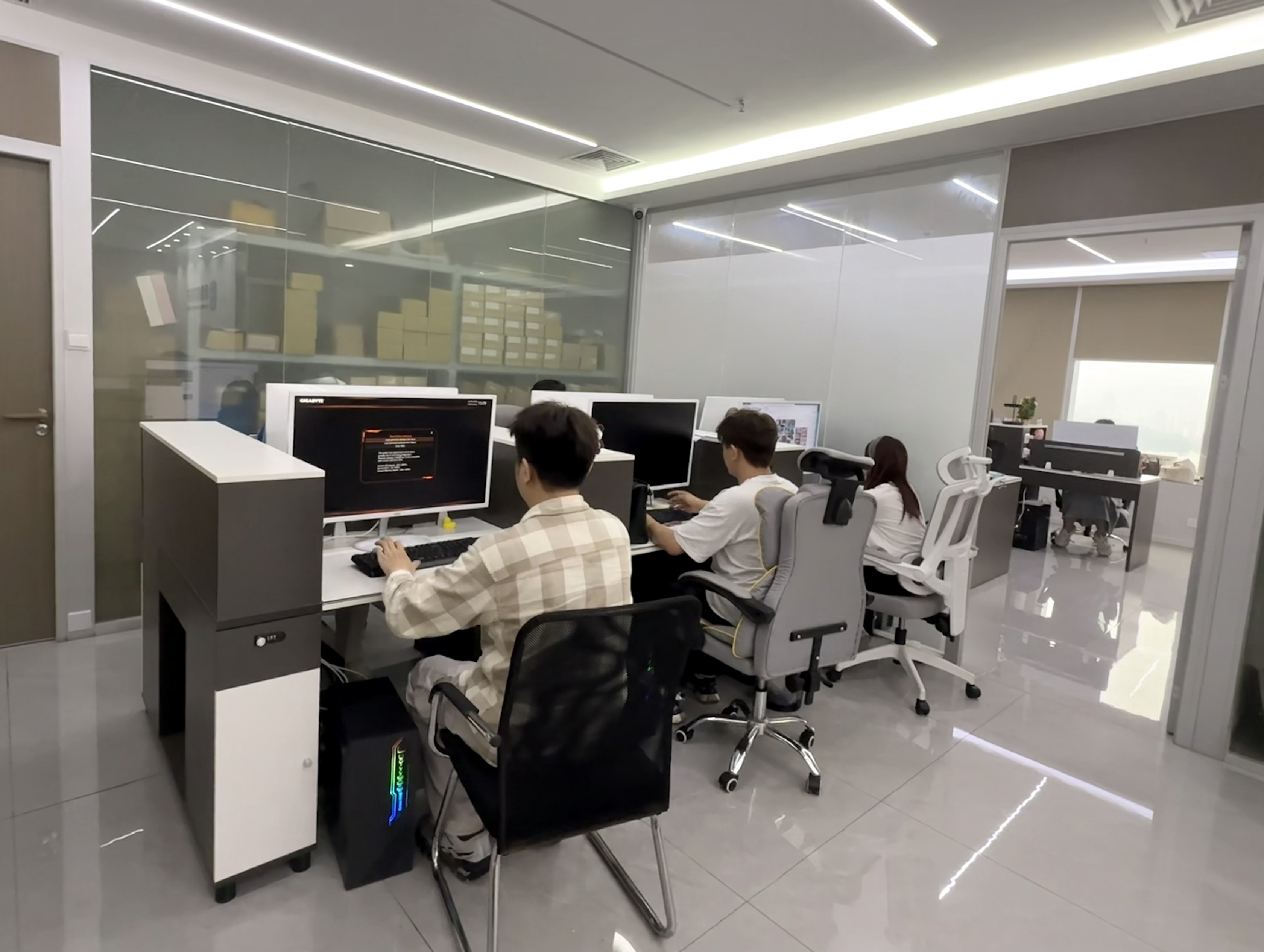
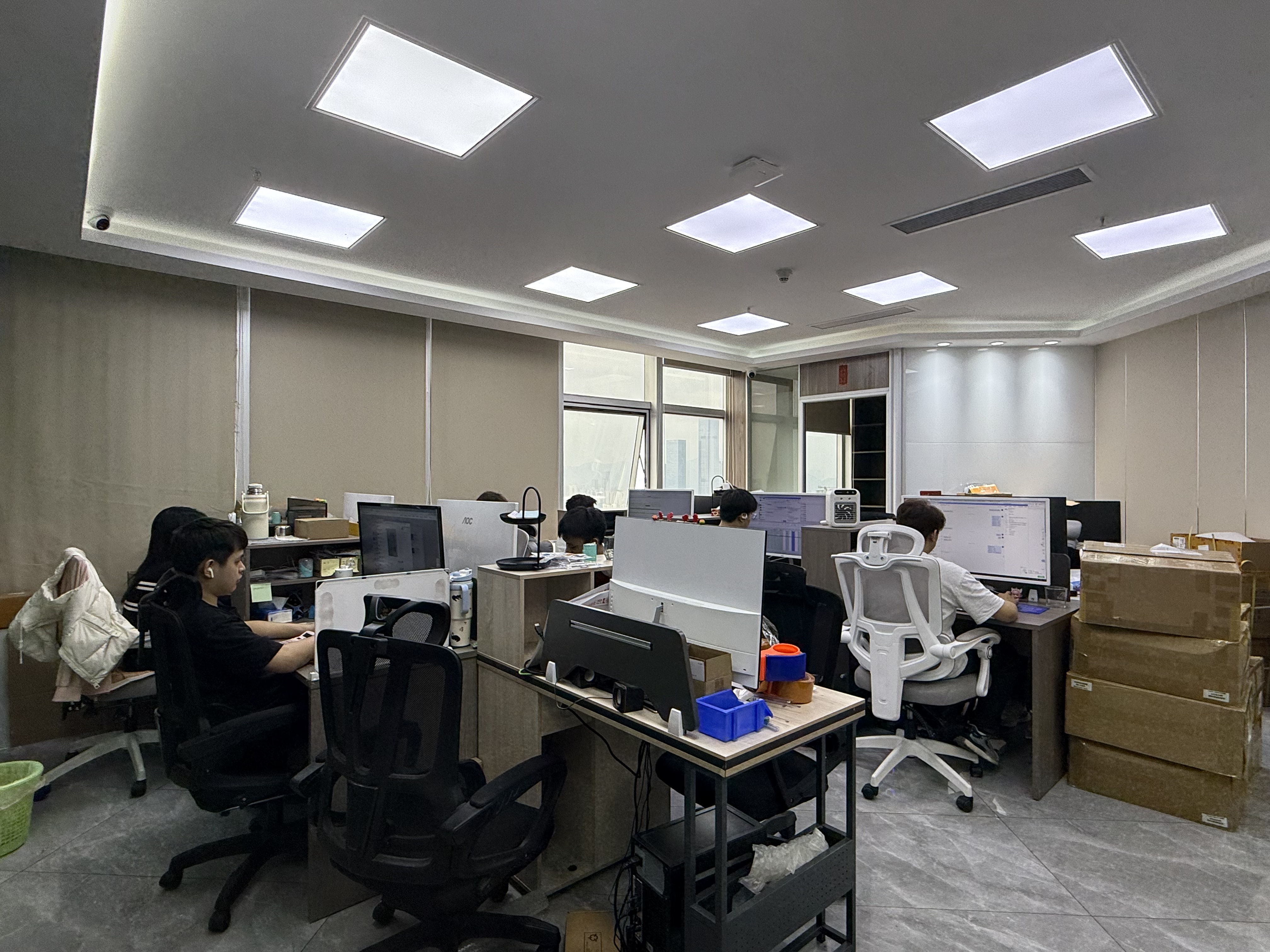
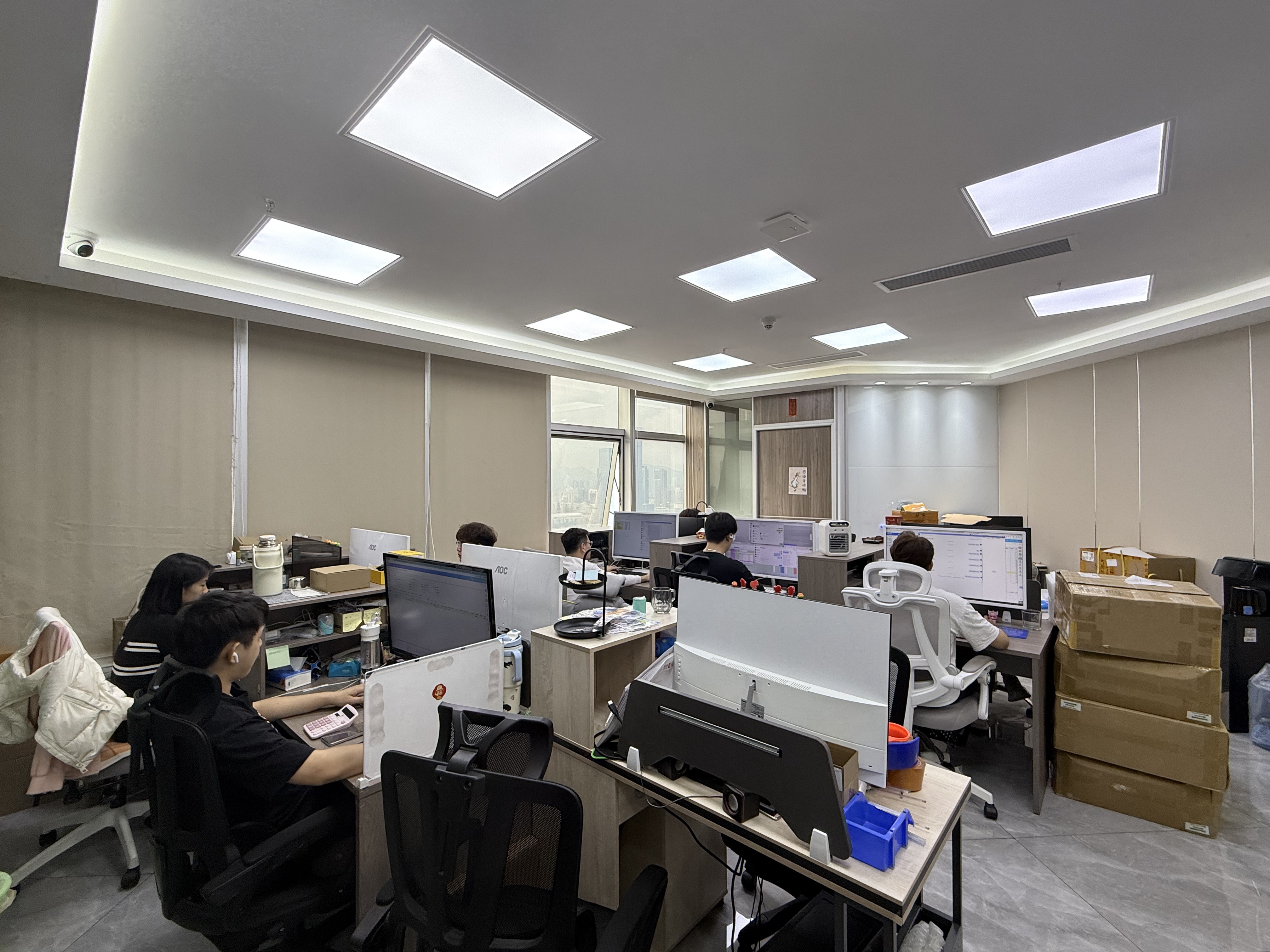
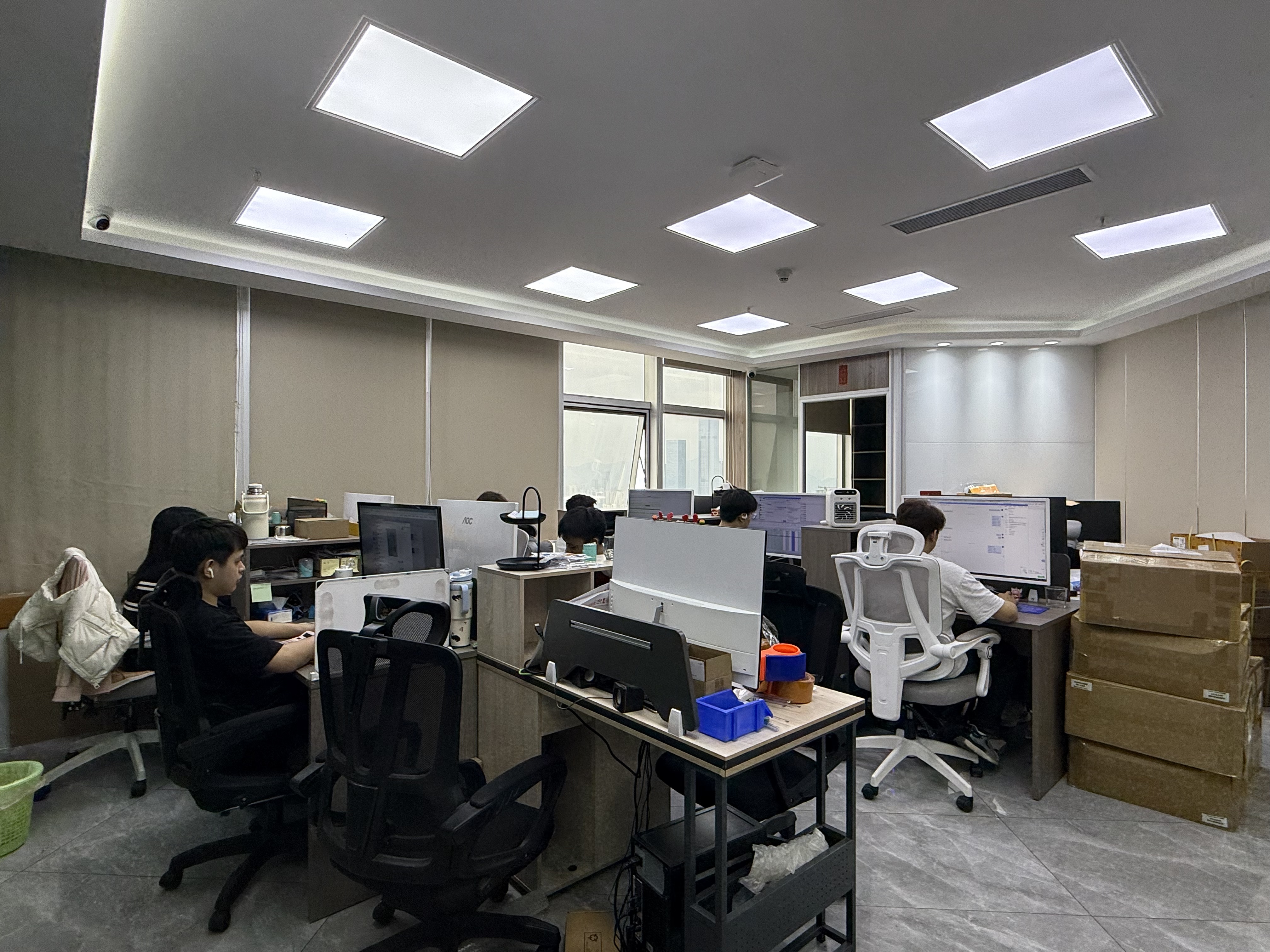
Operating from the industrial heart of Shenzhen, Yingchuang Technology has established itself as an essential international trading partner for active and passive electronic components. Our comprehensive capabilities support the manufacturing processes of leading current transformer and electrical instrument brands globally.
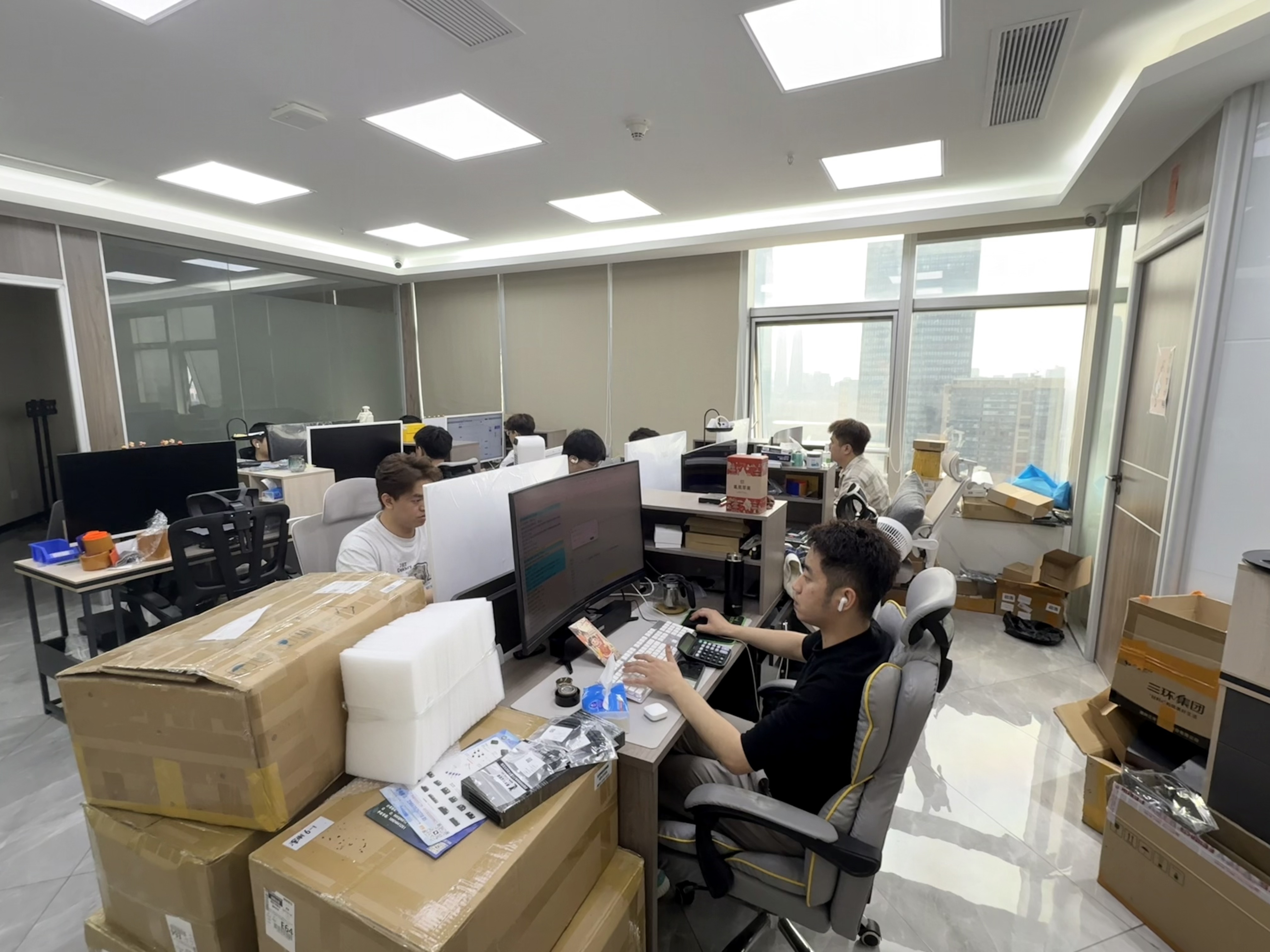
We specialize in international electronic component trading, including integrated circuits (ICs), capacitors, resistors, connectors, transistors, diodes, and other active and passive electronic components. We provide global sourcing, supply chain solutions, and cross-border distribution services. Our operations, headquartered at Room 904, Metropolitan Building, No. 3018 Shennan Avenue, Futian District, Shenzhen, Guangdong Province, China, allow us to coordinate with premier foundries and raw material suppliers, providing unified solutions for global manufacturers, distributors, and OEM/ODM enterprises.
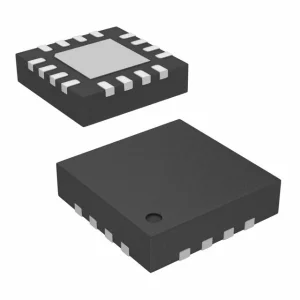
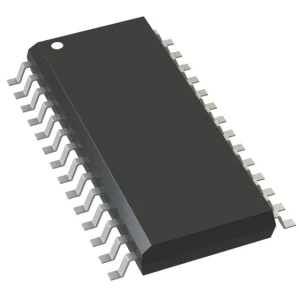
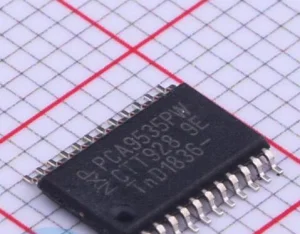
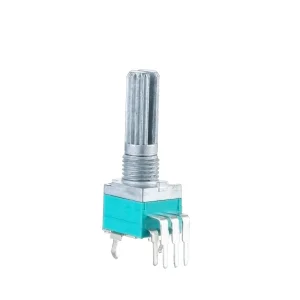
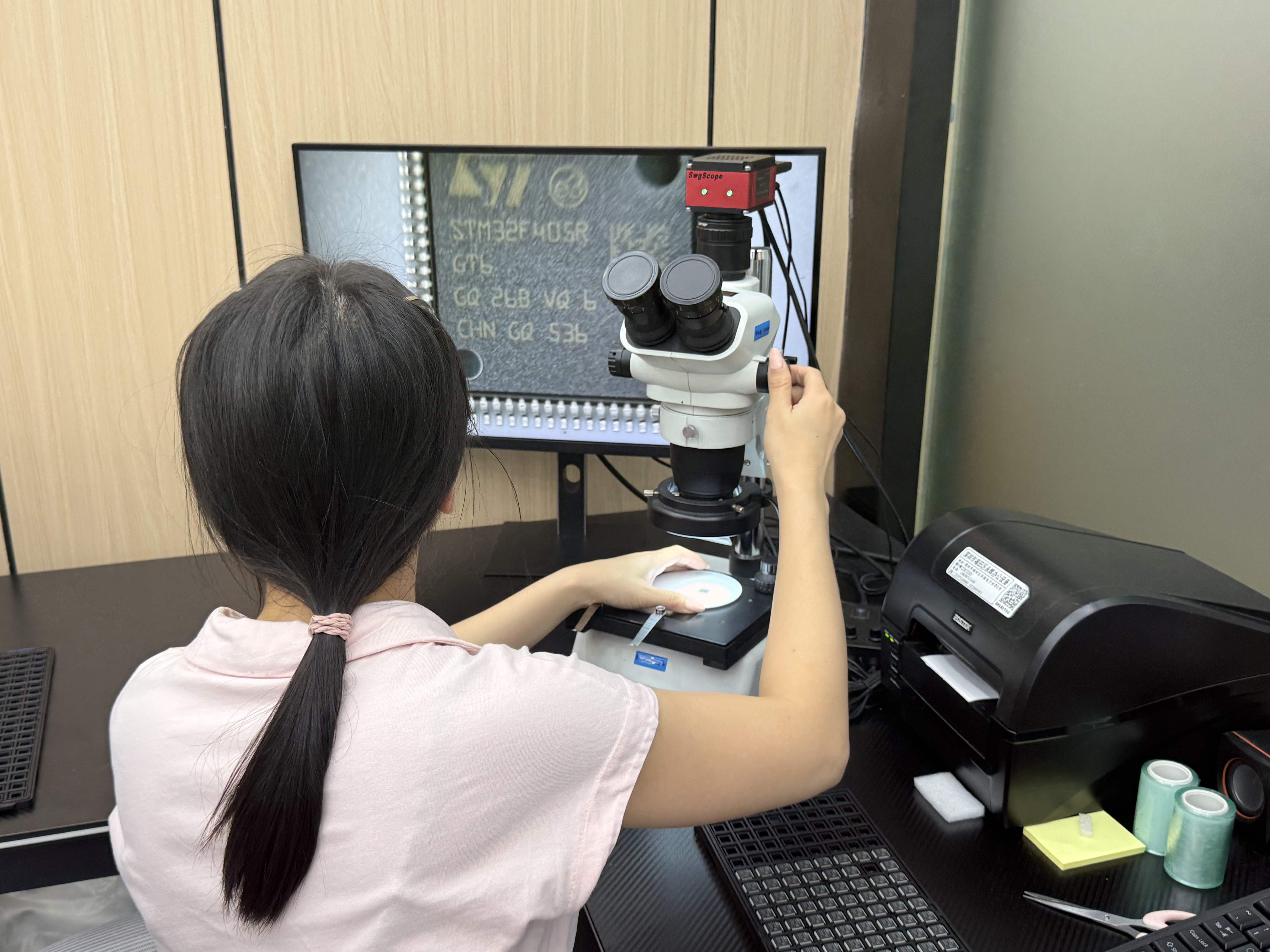
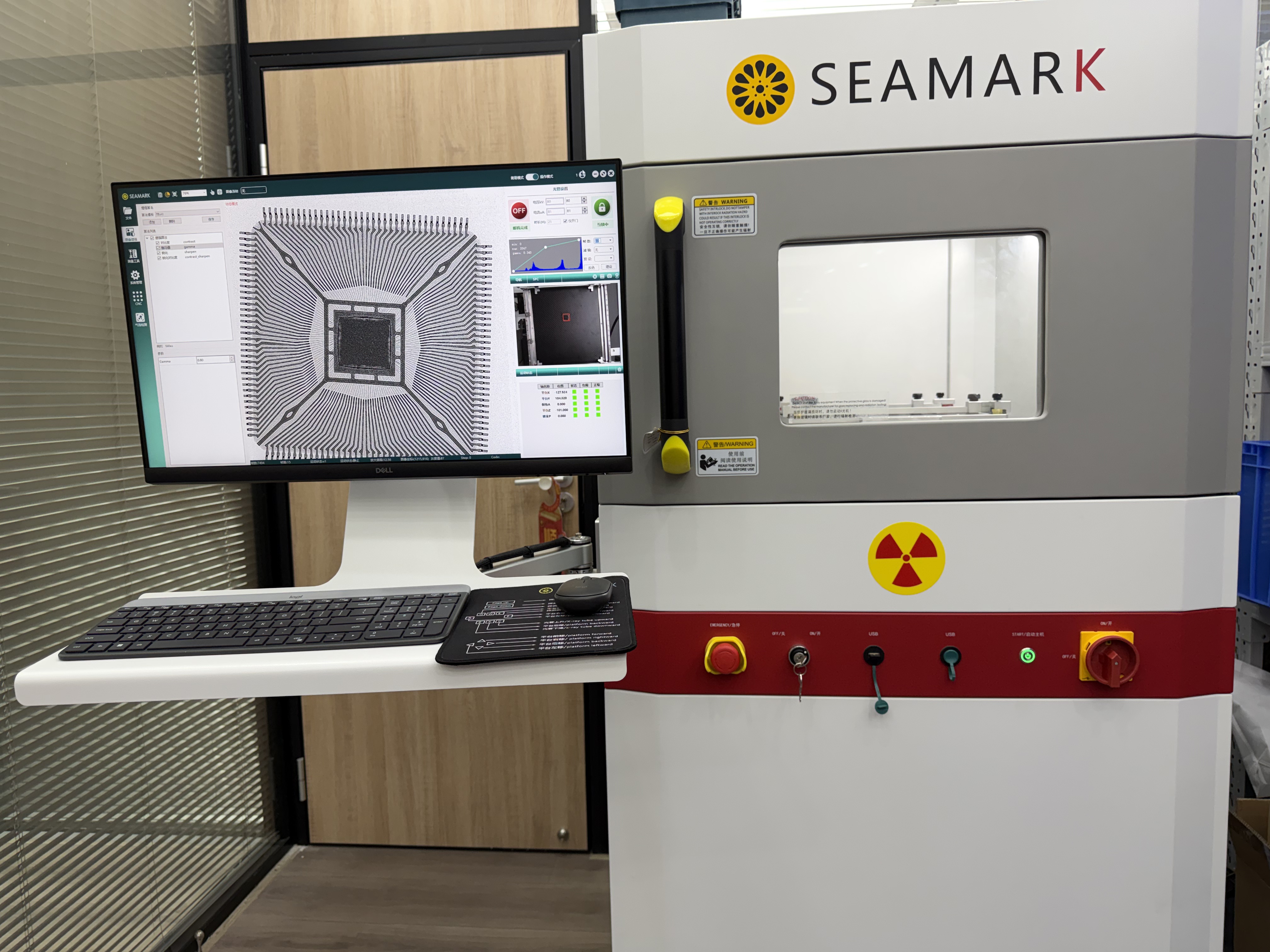
Our core mission revolves around strict E-E-A-T principles. Every batch of components distributed under our watch undergoes rigorous QA testing, ensuring electrical parameters match the datasheets exactly. Whether you require precise operational amplifiers to scale down CT signals, or high-performance AD5141BCPZ10 digital potentiometers to automate calibration, Yingchuang delivers.
Ensuring your imported current sensing equipment complies with regional safety and utility guidelines.
Exporting current transformers from China requires a deep understanding of destination standards. In Europe, energy meters and CTs installed within smart grids must adhere to the MID (Measuring Instruments Directive) along with RoHS and REACH regulations. In North America, UL 508 and UL 61010-1 certifications are mandatory for safe industrial control installations.
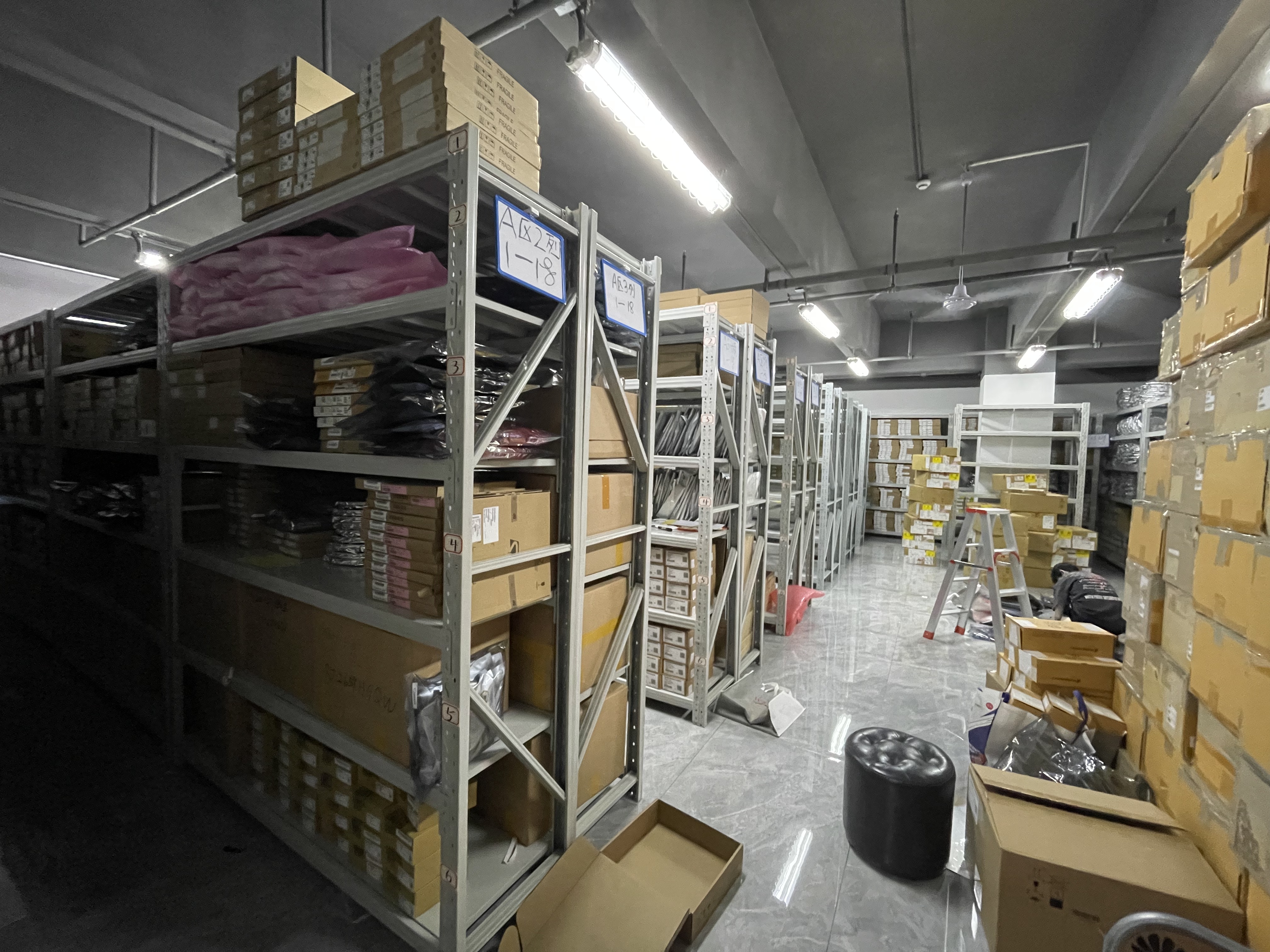
At Yingchuang Technology, we match our component sourcing with these demands. Our logistical pathways are designed to streamline transit times while maintaining traceability:
Expert technical insights regarding selection, installation parameters, and operational integrity.
What causes magnetic core saturation in current transformers, and how can it be avoided?
Core saturation occurs when the magnetic flux density ($B$) in the core exceeds the material's saturation limit, usually due to high overcurrents or DC offsets in the primary line. This causes the primary-to-secondary ratio to collapse, leading to measurement errors and potential system failures. You can mitigate this by choosing high-permeability nanocrystalline cores, sizing the CT burden carefully, and applying appropriate safety factors in protection relays.
How does secondary burden affect the accuracy of a Current Transformer?
The secondary burden is the total impedance (expressed in VA) connected to the CT secondary terminal, which includes the connection cable resistance and input terminal impedance. If the actual burden exceeds the rated burden of the CT, the transformer core operates at a higher flux density, which degrades measurement accuracy and can lead to saturation.
What is the difference between measuring class (0.2s / 0.5s) and protection class (5P10 / 10P20) CTs?
Measuring class CTs are designed for high accuracy under normal operating currents (from 1% to 120% of rated current). Protection class CTs are designed to maintain reasonable ratio performance during short circuits or massive overcurrent events (e.g., 5P10 guarantees ±1% accuracy at 10 times the rated nominal current), allowing relays to trip safely.
How does Yingchuang Technology assist factory buyers with supply chain shortages?
We leverage our direct connections in Futian District, Shenzhen, to source hard-to-find active processing ICs, passive components, and high-frequency winding materials. By maintaining a large local inventory and providing international distribution options, we minimize lead times for engineering projects worldwide.
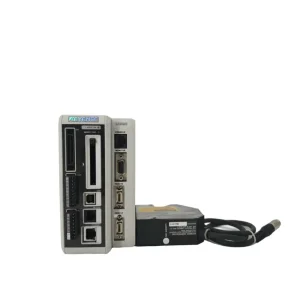
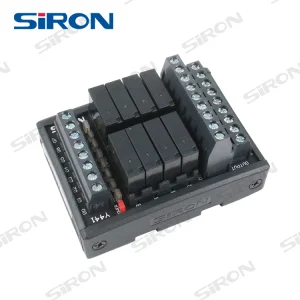
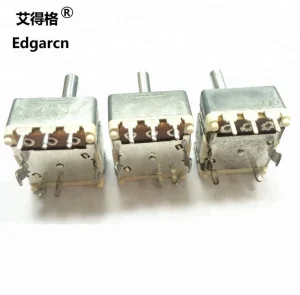
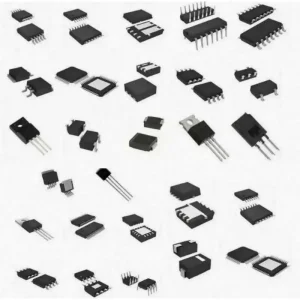
Browse supplementary active components, power modules, and precision controls essential for device calibration.