Winwon Chips Winwon Chips

How to Choose Sustainable Supply Solutions for Electronic Components?

Time:2026-07-09 Author:Isabella
0%

In today’s fast-paced tech industry, choosing the right components is crucial. Deciding "How to choose sustainable supply solutions for electronic components" is not straightforward. It demands careful consideration of various factors.

Sustainable practices are essential in the supply chain. Buyers face many options, each with unique impacts on the environment. It's vital to understand the lifecycle of components. Are they recyclable? Do they come from ethical sources? Each decision affects the broader ecosystem.

Many companies claim sustainability, but not all stand true to their word. Authenticity in supply chains can be elusive. Organizations often need to prioritize reliability and experience over marketing claims. A thorough assessment of suppliers is important. Look for certifications and transparency. Sustainability should never be compromised for cost.
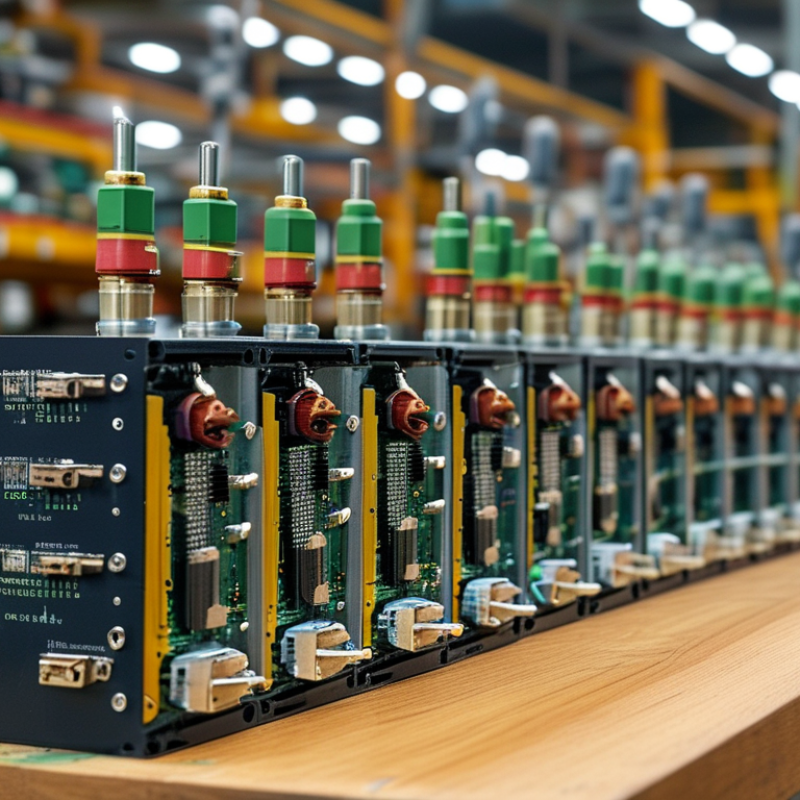
How to Choose Sustainable Supply Solutions for Electronic Components?

Understanding the Importance of Sustainability in Electronics Supply Chains

Sustainability in electronics supply chains is essential. The production of electronic components often leads to significant environmental impacts, from resource depletion to pollution. Manufacturers face pressure to adopt greener practices. This includes using materials that are recyclable or renewable. It’s not just about meeting regulations; it's about addressing consumer concerns, too. Shoppers today prefer sustainable products. They want transparency regarding sourcing and manufacturing.

Supply chain sustainability involves various factors. There are challenges related to energy consumption during production. Many factories rely on fossil fuels, creating a heavier carbon footprint. It’s vital to explore alternative energy sources. Consider the lifecycle of components. Are they designed for easy disassembly and recycling? Investing in sustainable design can reduce waste significantly.

However, achieving sustainability is complex. Some manufacturers may lack the knowledge or resources to implement green practices. This can lead to inconsistent efforts across the supply chain. Uncertainties in material availability can complicate planning. Companies must commit to continuous improvement and reflection. Creating a truly sustainable supply chain takes time, investment, and collaboration.

Identifying Key Criteria for Sustainable Electronic Components

When selecting sustainable supply solutions for electronic components, key criteria come into play. Focus on the lifecycle of materials. Assess the sourcing of raw materials. Are they renewable? Verify the suppliers' commitment to eco-friendly practices. The transparency of their supply chain is essential. Strong reputations often indicate adherence to sustainable principles.

Next, consider the energy efficiency of the manufacturing processes. This impacts both cost and environmental footprint. Efficient use of energy often correlates with lower carbon emissions. Evaluate existing certifications that demonstrate commitment to sustainability. However, be cautious; certifications can vary in credibility. Not all are created equal.

Another important aspect is end-of-life management. Sustainable components should be recyclable or easily disposed of without harming the environment. Ask suppliers about their take-back programs. Reflect on personal choices as well; even small decisions can have broader implications. Discerning sustainable practices requires ongoing evaluation and adjustment. The path to sustainability is not always straightforward; it may involve challenging decisions about known suppliers and established practices.

Evaluating Suppliers Based on Sustainability Practices and Certifications

When evaluating suppliers for electronic components, sustainability practices are crucial. Companies should prioritize suppliers who demonstrate a clear commitment to environmental responsibility. This could include using renewable energy in their operations or implementing waste reduction strategies. Certified suppliers often have to meet rigorous standards, showcasing their efforts towards sustainable practices.

Certifications can vary widely and may include ISO 14001 for environmental management or other recognized green certifications. Understanding these distinctions is essential. Knowing the specific practices tied to each certification provides clarity on the supplier's genuine commitment. It’s important to review a supplier’s track record critically. Are their sustainability claims supported by real actions over time?

Regular audits and assessments can help uncover inconsistencies. Observing supplier transparency in reporting their sustainability metrics establishes trust. However, companies must also acknowledge that sustainability is an evolving process. What seems effective today might need reevaluation tomorrow. Embracing a mindset of continuous improvement can lead to stronger partnerships and innovative supply solutions.

Analyzing the Lifecycle Impact of Electronic Components on the Environment

The lifecycle impact of electronic components on the environment is profound. Production involves raw material extraction, energy consumption, and waste generation. For instance, mining metals can disrupt ecosystems. The carbon footprint from manufacturing processes adds to climate change, emphasizing the need for sustainable solutions.

Recycling electronic components reduces waste. However, the recycling process itself can be energy-intensive and may release harmful substances. Many components still end up in landfills, which is concerning. Consumers and manufacturers must consider the entire lifecycle, from product design to end-of-life management.

Sustainable supply solutions involve selecting materials that minimize environmental harm. For example, renewable resources could replace harmful metals. Transparency in sourcing is essential as it promotes accountability among suppliers. Engaging with local recycling programs can enhance sustainability efforts but requires ongoing commitment and education. Reflecting on the impact of choices leads to better outcomes.

Implementing Strategies for Procurement of Sustainable Electronic Solutions

When considering sustainable procurement for electronic components, evaluating suppliers based on their environmental impact is crucial. Look for those who prioritize eco-friendly manufacturing processes. It's important to assess their certifications and commitment to sustainability practices. Collect detailed data on energy usage and waste management. This clarity helps in making informed decisions.

Collaborating with suppliers can enhance sustainability efforts. Establish clear communication channels to discuss goals and performance metrics. Regular audits of their practices can reveal areas for improvement. However, it’s essential to remember that not every supplier will meet all sustainability criteria. Balancing cost with sustainable practices may be challenging, yet it is necessary for long-term success.

Continually refining your procurement strategy is vital. Stay updated on emerging technologies and trends in sustainability. This journey requires constant adaptation and occasional setbacks. Engaging with industry experts can provide valuable insights. Each challenge faced can lead to greater resilience in your supply chain.

How to Choose Sustainable Supply Solutions for Electronic Components?

Criteria Description Importance Level Example Metrics
Environmental Impact Assessment of carbon footprint, waste generation, and energy consumption. High CO2 emissions (kg), energy per unit produced (kWh)
Material Source Use of recycled, renewable, or responsibly sourced materials. Medium % of recycled materials used
Supplier Sustainability Practices Evaluation of suppliers' sustainability policies and certifications. High Number of certified suppliers
Lifecycle Assessment Analysis of the product's environmental impact throughout its lifecycle. Medium Lifecycle assessment score
Cost Total cost of ownership including environmental impact costs. High Total cost estimate ($)

FAQS

: Why is sustainability important in electronics supply chains?

: Sustainability helps reduce environmental impacts from production, such as resource depletion and pollution.

What can manufacturers do to adopt greener practices?

They can use recyclable or renewable materials and enhance transparency in sourcing and manufacturing.

What challenges do manufacturers face in sustainability efforts?

Many lack knowledge or resources, leading to inconsistent practices across their supply chain.

How should companies approach the lifecycle of components?

Components should be designed for easy disassembly and recycling to reduce waste.

What factors influence the selection of sustainable electronic components?

Key criteria include the lifecycle of materials, energy efficiency, and suppliers’ eco-friendly practices.

Why is energy efficiency important in manufacturing processes?

It impacts cost and reduces the carbon footprint of production.

How can consumers contribute to sustainability?

Small choices, like selecting sustainable products, lead to broader positive impacts on the environment.

What role does end-of-life management play in sustainability?

Sustainable components should be recyclable or easily disposed of, minimizing environmental harm.

How can companies ensure their suppliers adhere to sustainable practices?

They should assess supplier transparency and verify their commitment to eco-friendly standards.

Why is it important to reflect on personal choices related to sustainability?

Reflecting helps individuals understand the impact of their decisions and promotes better practices.

Conclusion

In the quest for sustainability in electronic components, companies must navigate a complex landscape by understanding the significance of sustainability within supply chains. Knowing how to choose sustainable supply solutions for electronic components involves identifying essential criteria that dictate sustainability practices, such as materials sourcing, energy efficiency, and waste management.

Evaluating potential suppliers based on their sustainability certifications and practices is crucial in this process. Additionally, analyzing the lifecycle impact of electronic components on the environment allows businesses to make informed decisions that align with their sustainability goals. By implementing effective procurement strategies for sustainable electronic solutions, companies can significantly reduce their ecological footprint while fostering a responsible supply chain.

Isabella

Isabella

Isabella is a dedicated marketing professional with a sharp focus on driving brand growth and engagement through strategic content creation. With an extensive background in digital marketing, she combines her passion for storytelling with her keen understanding of industry trends to deliver......