Winwon Chips
In today's global market, the export of electronic components is more significant than ever. However, ensuring these products meet certain criteria is crucial for success. What quality standards should electronic components meet for export? This question arises frequently among manufacturers and suppliers.
Quality standards are vital for compliance and customer trust. Regulatory bodies set these standards based on rigorous testing and safety protocols. For instance, certifications like ISO and CE reflect a commitment to quality and safety. Meeting these standards may enhance product reputation and increase market access. Yet, manufacturers often face challenges in understanding specific requirements, leading to potential pitfalls in the export process.
Moreover, continuous innovation in technology brings new standards. Adapting to these changes requires a proactive approach. Organizations must allocate resources for quality management and staff training. There might be areas requiring more attention, such as environmental impact and consumer safety. A clear understanding of what quality standards should be met can help navigate these complexities. This reflection not only builds confidence but also drives success in the competitive electronics market.
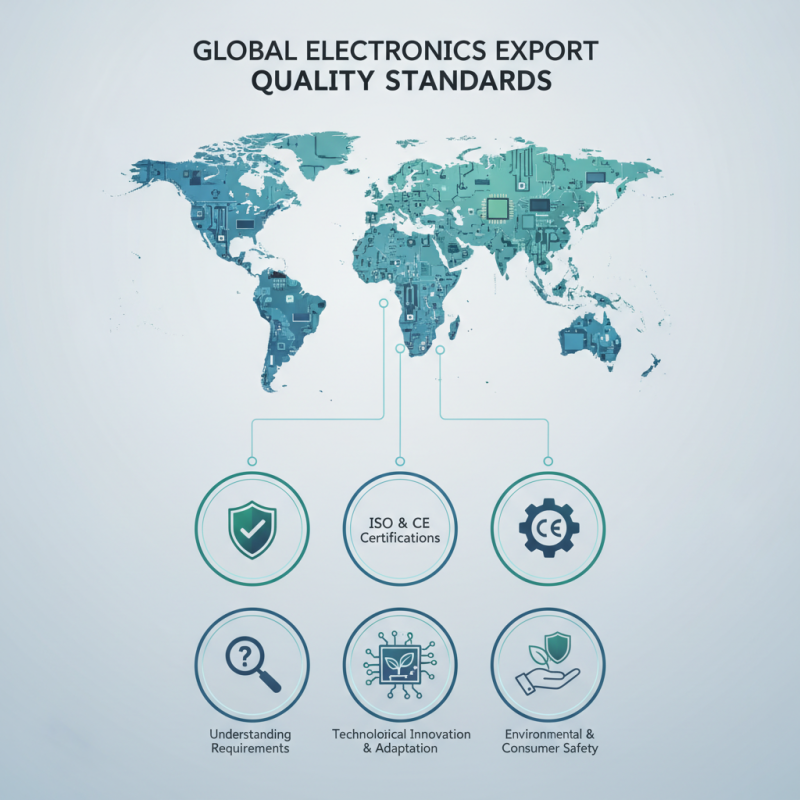
In the world of global trade, electronics must meet stringent quality standards. These standards vary by region but generally include safety, performance, and environmental impacts. Compliance is crucial for exportation. Each country has its own set of regulations. For instance, the European Union enforces standards like CE marking to indicate compliance with their directives.
Manufacturers must stay updated on these requirements. Regular audits can help ensure adherence to the standards. Documentation is vital. It should clearly demonstrate compliance with relevant regulations. Lack of proper documentation can lead to delays. This often results in costly penalties.
Tip: Invest in quality management systems. They can streamline processes and maintain compliance.
Testing must also be part of the development cycle. Relying solely on pre-export inspections can be risky. There should be continuous assessment of products during production. This approach not only boosts quality but also strengthens market trust.
Tip: Engage with third-party testing labs. They provide insights that can bridge the gap in compliance understanding. Frequent communication can lead to better outcomes.
In summary, maintaining rigorous quality standards is essential for success in electronics exports. It's a continuous journey of improvement and adaptation to changing regulations.
When exporting electronic devices, adherence to quality standards is crucial. International standards like IEC, ISO, and CE marking ensure safety and reliability. The International Electrotechnical Commission (IEC) sets essential benchmarks. For instance, IEC 60950-1 focuses on safety for IT equipment. This standard affects manufacturers globally, as it outlines essential requirements for user protection against electrical hazards.
ISO standards further enhance product quality. ISO 9001 outlines a framework for quality management systems. About 1.3 million organizations worldwide are ISO 9001 certified. This certification improves operational efficiency and boosts customer confidence. Moreover, CE marking indicates conformity with European health and safety regulations. Products with CE marking can enter the European market, making it a vital component for exporters.
However, not all manufacturers meet these standards consistently. Reports indicate that up to 30% of electronic products fail initial compliance tests. This raises concerns about product safety and marketability. Continuous improvements in quality assurance processes are necessary. Organizations must invest in training and resources to ensure compliance. Implementing robust testing protocols can minimize failures and enhance product reputation in competitive markets.
Exporting electronics involves rigorous compliance testing and certification. These processes ensure that products meet international safety and quality standards. According to a recent report from the International Electrotechnical Commission (IEC), around 80% of electronics failures are linked to inadequate compliance testing.
Testing is crucial. It reduces the risk of product recalls and enhances consumer trust. Many manufacturers overlook this step, potentially leading to severe financial implications. Compliance certifications confirm that a product adheres to relevant standards, such as CE marking in Europe or FCC regulations in the United States. Without these certifications, markets can reject products, leading to lost revenue.
Moreover, non-compliance can result in environmental and consumer safety issues. Electronics often contain hazardous materials. The Waste Electrical and Electronic Equipment Directive emphasizes proper disposal methods. Industry data indicate that up to 50 million tons of electronic waste is generated annually. This highlights the need for responsible practices. Manufacturers should invest in proper testing to mitigate risks and uphold their reputation in global markets.
In today’s global market, compliance with quality standards for electronics is crucial. Non-compliance can lead to severe repercussions. For instance, products may face bans in certain countries. This scenario often results in financial losses and damaged reputations. Companies may also incur additional costs to rectify such issues. The journey toward compliance requires diligent attention to detail.
Electronics must undergo rigorous testing to meet international standards. Failing to adhere means risking product recalls. This not only harms consumer trust but also destabilizes company morale. Moreover, the fallout from non-compliance can reach beyond immediate financial implications. It can affect a brand's long-term growth strategy. Brands need to consider the impact on consumer safety and legal consequences.
When companies overlook these standards, they may underestimate their importance. This lack of foresight can lead to operational setbacks. In an interconnected market, the ripple effects of non-compliance can disrupt supply chains. Manufacturers should prioritize quality checks as a non-negotiable step in production. Being proactive rather than reactive is vital for sustained success.
| Quality Standard | Description | Compliance Risk | Potential Consequences |
|---|---|---|---|
| IEC 61000 | Electromagnetic Compatibility | High | Product recalls, fines, market exclusion |
| ISO 9001 | Quality Management Systems | Medium | Reduced customer trust, loss of contracts |
| RoHS | Restriction of Hazardous Substances | High | Legal penalties, environmental impact fees |
| CE Marking | Compliance with EU safety standards | High | Barriers to market entry, financial loss |
| UL Certification | Product safety and reliability | Medium | Consumer dissatisfaction, damage to reputation |
In the competitive global market, electronics quality standards are evolving rapidly. Manufacturers must stay updated on these shifts to maintain export success. Many regions are tightening regulations. This is evident in the increased emphasis on safety, sustainability, and performance criteria. The shift is not merely bureaucratic; it reflects consumer demand for reliability and environmental responsibility.
One key trend is the focus on energy efficiency. Regulatory bodies are pushing for stricter energy consumption limits. This is crucial for gaining market access in energy-conscious regions. Compliance not only means following regulations but also enhancing product appeal. Similarly, certifications that highlight eco-friendliness have become essential. These certifications can significantly boost consumer trust.
However, one must recognize common compliance pitfalls. Many manufacturers overlook the importance of documentation. Adequate records can prevent costly recalls and ensure smoother customs clearance. Some also underestimate the need for regular updates. Standards can change quickly in this fast-paced industry. Keeping abreast of these changes demands continuous education and adaptation. Balancing compliance with innovation remains a significant challenge for many. Thus, the road to successful exports is filled with both opportunities and hurdles.
: The key standards include IEC, ISO, and CE marking, ensuring safety and reliability.
IEC stands for the International Electrotechnical Commission. It sets safety benchmarks for IT equipment.
ISO certification, especially ISO 9001, improves operational efficiency and boosts customer confidence.
CE marking indicates that products meet European health and safety regulations, allowing market entry.
Up to 30% of products may fail these tests, risking marketability and safety concerns.
Non-compliance can lead to bans, financial losses, and damaged reputations in global markets.
Companies should invest in training and implement rigorous quality assurance and testing protocols.
Ignoring standards can lead to product recalls and harm consumer trust and company morale.
The fallout affects brand strategy and can disrupt supply chains, leading to operational setbacks.
Being proactive is vital for sustained success, preventing risks and ensuring product reliability.
The article "What Quality Standards Must Electronics Meet for Export?" provides a comprehensive overview of the essential quality standards required for electronic devices entering global markets. It discusses key international standards such as IEC, ISO, and the CE marking, emphasizing their significance in ensuring safety, performance, and interoperability of electronic components. The article highlights the importance of compliance testing and certification processes that electronic products must undergo to meet these standards before export.
Furthermore, the piece outlines the potential risks and consequences of non-compliance, which can adversely impact businesses and their reputation in international markets. Recent trends in electronics quality standards for export are also examined, giving insights into what to watch for in the evolving regulatory landscape. Ultimately, understanding "what quality standards should electronic components meet for export" is crucial for manufacturers aiming to successfully penetrate global markets and sustain competitiveness.
