Winwon Chips Winwon Chips

How to Identify Essential Certifications for Reliable Electronic Components?

Time:2026-05-03 Author:Madeline
0%

In today's electronic market, the reliability of components is paramount. Engineers and purchasers often grapple with numerous options. This complexity raises a crucial question: What certifications are essential for reliable electronic components? Identifying these certifications is not just about compliance; it’s about ensuring quality, safety, and long-term performance.

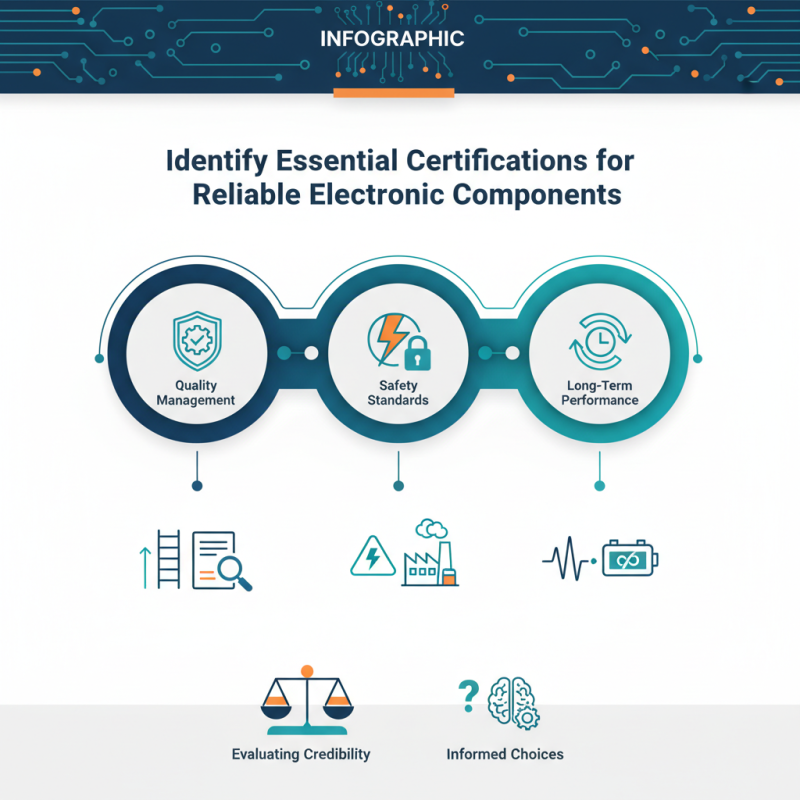
Certification plays a significant role in the trustworthiness of electronic parts. It assures that components meet industry standards and possess qualities that enhance their reliability. For instance, ISO 9001 certification demonstrates a commitment to quality management. Similarly, UL and CE marks provide evidence of adherence to safety regulations, which can reduce failures and recalls.

However, it’s essential to remember that not all certifications carry equal weight. Some may hold more relevance based on the specific industry or application. Evaluating the credibility of certifying bodies can also be tricky. In the drive towards better electronic reliability, every decision matters. Understanding what certifications are essential for reliable electronic components can lead to more informed choices. Ultimately, this knowledge empowers engineers to make decisions that ensure the longevity and effectiveness of their electronic systems.
How to Identify Essential Certifications for Reliable Electronic Components?

Understanding the Importance of Certifications in Electronics

In electronics, certifications play a crucial role in ensuring product reliability and safety. According to industry reports, over 60% of electronic component failures can be traced back to non-compliance with regulatory standards. This highlights the importance of choosing components that carry appropriate certifications. For instance, certifications like ISO 9001 are essential for quality management systems, ensuring consistency in production.

Moreover, certifications such as UL (Underwriters Laboratories) and CE (Conformité Européenne) serve as benchmarks for safety and performance. These indicators reassure consumers and manufacturers alike. However, not all components are certified. This presents risks, such as increased failure rates and potential liabilities. An alarming statistic reveals that almost 30% of counterfeit components lack proper certification.

A detailed analysis of supplier reliability often uncovers gaps in certification. Manufacturers must not overlook these essentials when sourcing components. The complexity of electronic systems makes it imperative to ensure every part is certified appropriately. Reflecting on the growing prevalence of counterfeit parts, the need for diligent sourcing is vital in today's market. The path to reliable electronics starts with recognizing the value of these certifications.

Key Certifications for Electronic Components: An Overview

In the electronic components industry, certifications serve as crucial indicators of reliability and quality. According to a recent industry report, over 75% of manufacturers prioritize certified components to ensure compliance with safety and performance standards. This trend reflects a growing awareness of the importance of certifications in minimizing risks associated with component failures.

Several key certifications stand out as benchmarks in evaluating electronic components. The ISO 9001 certification, for example, emphasizes quality management systems. Meanwhile, certifications like RoHS and REACH demonstrate compliance with environmental regulations. These certifications indicate that the components meet specific standards, which is critical for manufacturers aiming for sustainability. However, the sheer number of available certifications can be overwhelming, leading to potential oversights in the selection process.

Another crucial aspect is the IECQ certification, which focuses on the quality of electronic components in relation to international standards. Yet, not all components proudly display their certifications. This lack of transparency can create challenges when sourcing parts. Understanding the implications of different certifications can facilitate better decision-making. Investing time in research may seem tedious but is vital for ensuring product reliability. In a landscape where component quality directly impacts performance, identifying the right certifications is no longer optional; it's essential.

How to Research Certification Standards and Requirements

Researching certification standards for electronic components is a critical step. Start by identifying key organizations involved in setting standards. Look for bodies that specialize in safety, quality, and performance. This ensures you are looking at credible sources.


Review the specific standards relevant to your components. Each type of electronic part may have unique requirements. For instance, components used in medical devices might have stricter certifications. It's crucial to understand how these standards apply to your projects.


Compare certification processes among different organizations. This can help clarify the reliability of components. Be aware that not all certifications carry the same weight. Some may be more recognized in certain industries than others. Gathering insights from industry professionals can also provide a clearer picture. Don't hesitate to seek peer opinions to gain different perspectives.

Evaluating Certification Agencies and Their Credibility

When considering the reliability of electronic components, the role of certification agencies cannot be overstated. These organizations evaluate products and ensure they meet industry standards. However, not all agencies are created equal. To find a trustworthy certification, it is essential to assess their credibility and expertise in the field.

One key tip is to check for accreditation. Look for agencies recognized by official bodies or industries relevant to your components. This ensures that their evaluations are based on established guidelines. Transparency is also critical; a reliable agency should provide clear information about their processes and criteria.

Another important aspect is the agency's track record. Consider their history and how long they have been operational. An agency with years of experience often has a better understanding of the component industry. Look at their client testimonials and case studies. These can provide insights into their reliability and the ramifications of their certifications.

It’s essential to remain critical. Just because an agency has a logo doesn’t guarantee quality. Ask questions and seek clarification on their methodologies. This reflection can lead to better-informed choices for your electronic components. Trust but verify—the key to navigating the certification landscape wisely.

Essential Certifications for Reliable Electronic Components

Strategies for Verifying Component Compliance with Certifications

When verifying component compliance with certifications, start by checking the documentation. Request the manufacturer’s certification reports. Assess whether the documents are current and valid. Missing or outdated certifications can be a red flag.

Next, engage with third-party testing centers. These organizations perform independent assessments. Their reports can provide an additional layer of assurance. Often, testing results reveal discrepancies. Keep an eye out for any inconsistencies between manufacturer claims and actual test data.

Additionally, consider the manufacturer's reputation. Research their history and customer feedback. Companies with a track record of reliability usually have strong support systems in place. Meanwhile, don't overlook the possibility of counterfeit components. Stay vigilant and share your findings with peers. Engaging in discussions can spark insights that lead to better decision-making.

FAQS

: Why are certifications important in the electronic components industry?

: Certifications indicate reliability and quality. They help manufacturers comply with safety and performance standards.

What does ISO 9001 certification focus on?

ISO 9001 emphasizes the quality management systems in manufacturing processes.

What do RoHS and REACH certifications signify?

RoHS and REACH demonstrate compliance with environmental regulations. They ensure sustainability in component production.

How can I verify a component's compliance with certifications?

Start by checking the documentation. Look for current and valid certification reports from the manufacturer.

What role do third-party testing centers play?

They provide independent assessments. Their reports offer additional assurance and highlight any discrepancies.

Why is researching a manufacturer's reputation important?

A company's history and customer feedback can reveal reliability. It's crucial for informed decision-making.

What should I watch out for when sourcing components?

Be cautious of missing or outdated certifications. Counterfeit components can also pose significant risks.

How can I avoid being overwhelmed by multiple certifications?

Focus on understanding key certifications that matter for your specific needs. This reduces potential oversights.

Why is engaging in peer discussions beneficial?

Sharing findings can spark new insights. Collaborative discussions often lead to better decision-making.

Is investing time in research necessary?

Yes, thorough research may seem tedious, but it ensures product reliability and performance.

Conclusion

When evaluating the reliability of electronic components, understanding the importance of certifications is crucial. The article outlines the key certifications that are essential for reliable electronic components, providing an overview of the most recognized standards in the industry. To identify what certifications are essential for reliable electronic components, one must research certification standards meticulously and assess the credibility of certification agencies.

Furthermore, the article emphasizes strategies for verifying compliance with these certifications, ensuring that components meet necessary safety and performance requirements. This comprehensive approach enables manufacturers and designers to make informed choices about the electronic components they incorporate into their products, ultimately leading to enhanced reliability and quality.

Madeline

Madeline

Madeline is a dedicated marketing professional with a wealth of expertise in our company's core offerings. With a keen understanding of the industry, she brings a unique perspective to her role, consistently delivering high-quality content that highlights the superior aspects of our products. As......