Winwon Chips Winwon Chips

How to Effectively Manage Inventory for Imported Electronic Components?

Time:2026-05-16 Author:Isabella
0%

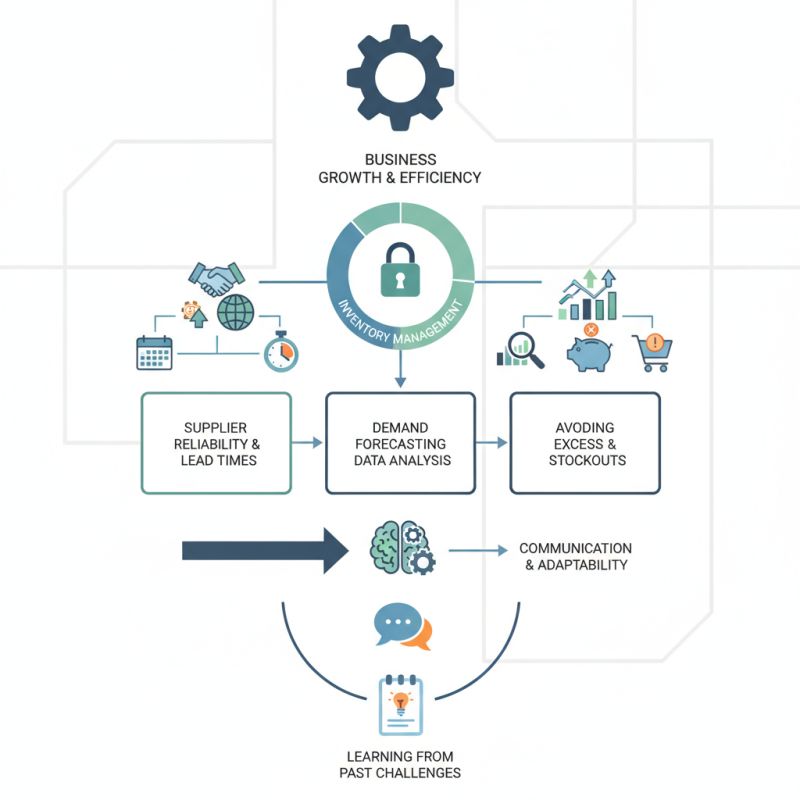
Effectively managing inventory for imported electronic components is crucial for businesses aiming for growth and efficiency. How to manage inventory for imported electronic components involves understanding various factors that influence stock levels. These include supplier reliability, lead times, and demand forecasting.

Many companies struggle with excess inventory or stockouts. This imbalance can lead to increased costs or missed sales opportunities. Utilizing data analysis tools can provide insights into inventory trends. However, not all organizations have experience in this area.

Moreover, communication with suppliers plays a vital role. Establishing strong relationships can ensure timely deliveries and access to critical components. In a dynamic market, staying adaptable is essential. Reflecting on past inventory challenges can provide valuable lessons for future improvements.
How to Effectively Manage Inventory for Imported Electronic Components?

Understanding the Importance of Effective Inventory Management

Effective inventory management of imported electronic components is essential for businesses aiming to thrive in a competitive market. According to a report by the Institute of Supply Chain Management, poor inventory management can lead to up to 30% of a company's revenue being tied up in excess stock. This percentage represents a significant opportunity cost for businesses that could otherwise invest in innovation or expand operations.


Understanding demand forecasting is vital. A study from Deloitte highlighted that around 80% of companies fail to accurately predict product demand. This failure can result in either surplus inventory or stockouts. Both scenarios can drive operational costs and impact customer satisfaction adversely. Therefore, leveraging analytics tools to assess trends and consumer behavior can enhance decision-making. Keeping a close eye on lead times, especially with imported components, adds another layer of complexity.


Flexibility in inventory systems offers businesses an edge. Many firms are transitioning towards just-in-time inventory methods to reduce waste. However, this approach requires robust supplier relationships. A lack of flexibility can hinder responsiveness to market changes. Practicing proactive adjustments in inventory levels is crucial. Regular audits can reveal discrepancies and areas of inefficiency, paving the way for smarter resource allocation.

Evaluating Different Inventory Management Techniques for Electronics

Effectively managing inventory for imported electronic components requires robust techniques tailored to the electronic market. One effective approach is the Just-In-Time (JIT) method. This technique minimizes excess stock and reduces storage costs. Companies should synchronize their inventory orders with production schedules. However, it demands precise forecasting and reliable suppliers. Any disruption can lead to production delays.


Another technique is the ABC analysis. This method categorizes inventory based on value and turnover rate. High-value components receive more attention, while low-value items are managed with less scrutiny. While efficient, this method can sometimes overlook slow-moving parts. Balancing focus on both high- and low-value components is essential for overall effectiveness.


A useful practice is utilizing inventory management software. These tools provide real-time data on stock levels and trends, helping companies make informed decisions. Yet, relying solely on technology can lead to oversight. Human expertise remains crucial in interpreting data and making adjustments. Integration of technology with human insight creates a more resilient inventory management strategy.

Implementing Inventory Tracking Systems for Imported Components

Implementing an effective inventory tracking system for imported electronic components is crucial. Many companies face challenges in managing stock levels and avoiding shortages or overstocking. A digital inventory tracking system can streamline this process. It provides real-time visibility into stock levels, aiding better decision-making.

Utilizing barcoding technology simplifies inventory management. Barcodes reduce human error and speed up tracking. However, it’s essential to train staff properly to avoid mishaps. Manual entries can lead to inaccuracies. Regular audits can help in identifying discrepancies early on. Building a culture of accountability and attention to detail can greatly improve reliability.

Incorporating cloud-based solutions enhances data accessibility. Team members can monitor inventory from various locations. However, relying entirely on technology may introduce risks. System outages can disrupt operations. Combining technology with traditional methods might create a more balanced approach. Continuous evaluation and adaptation of the system are necessary to ensure efficiency. Adaptability is key in this ever-changing market.

Setting Up Optimal Reorder Points and Safety Stock Levels

When managing inventory for imported electronic components, setting optimal reorder points and safety stock levels is crucial. According to a recent report by the Institute of Supply Chain Management, 45% of companies experience stockouts due to miscalculation of reorder points. This often leads to production delays and lost sales. To prevent this, businesses need to analyze historical demand patterns and lead times effectively.

Optimal safety stock levels protect against unexpected demand spikes or supply chain disruptions. Research indicates that firms with well-calibrated safety stock levels can reduce their order costs by up to 20%. Companies should consider factors like market volatility and supplier reliability when determining these levels. Continuous review is necessary, as changes in demand can render previous calculations ineffective.

Many organizations struggle with balancing inventory costs and customer satisfaction. Overestimating safety stock can lead to excess inventory, while underestimating can result in stockouts. This juggling act demands a keen eye and regular review to ensure alignment with market trends. Ultimately, adopting data-driven strategies can enhance inventory accuracy and reliability.

How to Effectively Manage Inventory for Imported Electronic Components? - Setting Up Optimal Reorder Points and Safety Stock Levels

Component Type Reorder Point (Units) Safety Stock Level (Units) Lead Time (Days) Average Monthly Demand (Units)
Resistors 100 50 15 300
Capacitors 150 75 20 350
Microcontrollers 50 25 10 200
Diodes 80 40 12 250
Transistors 120 60 18 280

Analyzing Supply Chain Dynamics for Imported Electronic Components

Managing inventory for imported electronic components requires a deep understanding of supply chain dynamics. The global landscape is complex, often influenced by geopolitical tensions and trade regulations. Tracking the movement of parts from overseas can be overwhelming. Inconsistent demand adds another layer of complexity, leading to stockouts or excess inventory. This means companies must refine their forecasting strategies.

Effective communication with suppliers is crucial. Establishing clear timelines and expectations allows for better alignment in shipments. It's worthwhile to regularly assess supplier performance and reliability. If a supplier falls short, it may disrupt your entire operation. Moreover, technology can support these efforts. Using inventory management software improves real-time tracking and data analysis. However, relying too heavily on technology without proper oversight can lead to inaccuracies.

Flexibility is key. The supply chain can change rapidly; economic shifts can alter lead times. Implementing contingency plans ensures that you can adapt to unexpected delays. Regularly reviewing these plans can help in avoiding potential pitfalls. Suppliers may change their pricing or availability without notice, impacting your margins. Continuous evaluation and adjustment are essential in navigating these intricacies effectively.

Inventory Management of Imported Electronic Components

This chart illustrates the inventory levels for various imported electronic components, highlighting the importance of effective inventory management in the supply chain. The data presents the quantity of different components held in stock, providing insights into product availability and potential supply chain dynamics.

FAQS

: What are the risks of miscalculating reorder points?

: Miscalculating reorder points can lead to stockouts, causing production delays and lost sales.

How can companies avoid stockouts?

By analyzing historical demand patterns and lead times, companies can set optimal reorder points.

Why are safety stock levels important?

Safety stock levels protect against unexpected demand spikes and supply chain disruptions.

What factors should be considered for safety stock levels?

Companies should consider market volatility and supplier reliability when setting safety stock levels.

How can companies balance inventory costs and customer satisfaction?

Overestimating safety stock leads to excess inventory; underestimating it results in stockouts. Regular review is necessary.

What challenges do companies face in supply chain dynamics?

Geopolitical tensions and inconsistent demand can complicate inventory management, leading to stockouts or excess inventory.

How can technology assist in inventory management?

Inventory management software helps with real-time tracking and data analysis, but oversights can lead to inaccuracies.

Why is flexibility important in supply chain management?

Economic shifts can change lead times; contingency plans help adapt to unexpected delays.

How can suppliers impact inventory management?

Supplier performance affects shipment timelines; poor performance can disrupt operations significantly.

What is a potential pitfall of relying on technology?

Overreliance on technology without proper oversight can result in inaccuracies in inventory management.

Conclusion

Effectively managing inventory for imported electronic components is crucial for maintaining a seamless supply chain and meeting customer demand. This involves understanding the significance of precise inventory management, which ensures that businesses avoid stockouts and overstock situations. Various inventory management techniques, such as Just-In-Time (JIT) and Economic Order Quantity (EOQ), can be evaluated to find the best fit for specific needs.

Implementing robust inventory tracking systems is essential for monitoring imported components, while establishing optimal reorder points and safety stock levels helps cushion against supply chain disruptions. Additionally, analyzing supply chain dynamics plays a vital role in identifying potential challenges and opportunities in managing inventory for imported electronic components, ultimately leading to improved operational efficiency. This comprehensive approach provides businesses with the tools needed to effectively manage inventory for imported electronic components.

Isabella

Isabella

Isabella is a dedicated marketing professional with a sharp focus on driving brand growth and engagement through strategic content creation. With an extensive background in digital marketing, she combines her passion for storytelling with her keen understanding of industry trends to deliver......