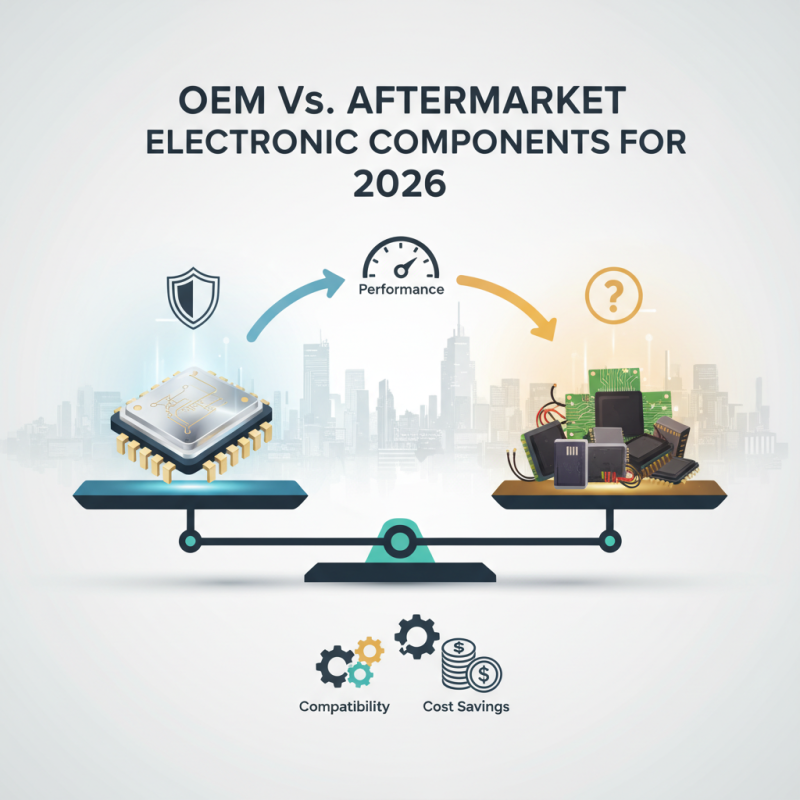
Choosing the right electronic components is crucial for any project. As we approach 2026, the market offers a range of options. One major decision manufacturers face is how to choose between OEM and aftermarket electronic components.
OEM components are designed for specific devices, ensuring compatibility and reliability. However, they often come with a higher price tag. On the other hand, aftermarket components can provide cost savings but may lack quality control. This creates uncertainty for buyers. Understanding the trade-offs is essential.
Professionals must weigh performance against cost. Consider the unique needs of your project. Each option has its strengths and weaknesses. Reflecting on long-term effects can lead to better decisions. Balancing quality with budget constraints is not always easy, but it’s necessary for optimal outcomes in your electronic projects.
Understanding OEM vs. Aftermarket Components in Electronics
When choosing between OEM and aftermarket electronic components, understanding their differences is crucial. OEM components, or Original Equipment Manufacturer parts, are made by the original manufacturer. They often guarantee compatibility and reliability. However, they can be more expensive. Aftermarket components, made by third-party manufacturers, can offer cost benefits. Yet, their quality may vary widely. According to a 2022 industry report, aftermarket components can save up to 30% in costs but might lack the same quality assurance.
Tip: Always research suppliers. Look for reviews and certifications. Check if your supplier adheres to quality standards.
Cost is not the only factor to consider.
Reliability is vital in electronics. According to a study by the Electronics Industry Association,
40% of product failures are linked to component issues. Choosing cheaper options might save money but could lead to bigger problems down the line. In critical applications, investing in
OEM could prevent costly repairs later.
Tip: Evaluate your project's needs. For essential systems, prioritize quality over price. In less critical applications, aftermarket components might suffice.
Key Considerations When Selecting Electronic Components for 2026
When selecting electronic components for 2026, it's crucial to consider several factors. OEM components often ensure compatibility and reliability, aligning with the original manufacturer's standards. Aftermarket options, however, can provide cost savings and unique features. Evaluate your project's requirements carefully.
Tip: Understand your performance needs. Are durability and longevity prioritized? Some aftermarket components may not match OEM quality. Always read reviews and seek feedback from professionals who have used similar components.
Supply chain stability is another vital consideration. Current trends indicate fluctuations in component availability, impacting project timelines. Think about sourcing strategies to mitigate potential delays.
Tip: Build flexibility into your plans. If a specific component becomes unavailable, what is your backup? It’s essential to have alternatives in mind. Reflecting on these elements can significantly impact your project’s success in 2026.
Evaluating Quality and Reliability of OEM and Aftermarket Products
When choosing between OEM and aftermarket electronic components, quality and reliability are paramount. Reports indicate that 72% of professionals prioritize quality over cost. OEM components often provide a guaranteed fit and performance based on rigorous testing. However, not all OEM parts are equally reliable. Some may have inconsistent production standards which can lead to failures in critical applications.
Aftermarket options can offer similar or superior performance at a reduced cost. Yet, there is a need for caution. Independent studies reveal that about 28% of aftermarket components do not meet industry standards. This inconsistency raises concerns about reliability in mission-critical systems. Reliability testing reports suggest that products from reputable aftermarket manufacturers can match OEM quality, but research is essential before trusting these components.
Buyers should consider their specific applications. A failure in a low-risk setting may simply result in inconvenience, but in high-stakes environments, even minor failures can have significant repercussions. Both OEM and aftermarket components have their pros and cons. The key lies in thorough evaluation and understanding the trade-offs between cost and reliability. Ultimately, well-informed choices lead to higher quality outcomes.
How to Choose OEM or Aftermarket Electronic Components for 2026? - Evaluating Quality and Reliability of OEM and Aftermarket Products
| Component Type |
OEM Quality Rating |
Aftermarket Quality Rating |
Reliability Index (1-10) |
Cost Comparison (%) |
| Resistors |
90% |
85% |
9 |
10% |
| Capacitors |
92% |
80% |
8 |
15% |
| Diodes |
88% |
82% |
9 |
5% |
| Transistors |
91% |
87% |
7 |
12% |
| Microcontrollers |
95% |
80% |
9 |
20% |
Cost Analysis: OEM vs. Aftermarket Components for Your Project
When selecting electronic components for your 2026 project, cost is a significant factor. OEM components tend to be pricier due to their guaranteed quality and stringent manufacturing standards. They offer reliability that often outweighs their cost, especially in critical applications. However, the price premium may not always translate to better performance for all projects.
Aftermarket components usually present a more budget-friendly option. They often come at lower prices, which can be perfect for projects with tighter budgets. However, cost savings can sometimes lead to compromises in quality. Not all aftermarket components are created equal. Researching the supplier and checking reviews can be essential.
Balancing cost and quality is essential in this decision-making process. While OEM parts might ensure robustness, aftermarket options could provide decent alternatives. Each category has its strengths and weaknesses. Analyzing your project's specific requirements will guide you to the right choice. Always be prepared to reassess your options as market conditions and availability can shift rapidly.
Future Trends Influencing the Choice of Electronic Components in 2026
As the electronic component landscape evolves, several trends will shape the decision-making process for OEM and aftermarket parts in 2026. The demand for customization continues to rise. Manufacturers seek components tailored to specific applications. This shift pushes both OEMs and aftermarket suppliers to innovate rapidly. Buyers will prioritize flexibility and adaptability in component design.
Sustainability also plays a critical role. More companies aim to reduce environmental impact. Sourcing from eco-friendly manufacturers becomes essential. Components made from recyclable materials are gaining traction. This growing awareness drives consumers to consider the lifecycle of components. Decisions will increasingly reflect values, not just specifications.
Moreover, advancements in technology are changing the market dynamics. Artificial intelligence and machine learning optimize supply chains and inventory management. As new technologies emerge, the need for components that integrate seamlessly becomes paramount. Companies must remain agile, tuning their strategies as market needs shift. Reflecting on these factors is crucial for making informed choices going forward.
Conclusion
When considering how to choose between OEM and aftermarket electronic components for 2026, it's essential to understand the distinctions between the two. OEM components are typically manufactured by the original equipment maker and are synonymous with quality and reliability. In contrast, aftermarket components are produced by third-party suppliers and may offer cost-saving advantages. Key considerations include evaluating the specific requirements of your project, ensuring compatibility, and analyzing long-term performance expectations.
Evaluating the quality and reliability of both options is critical, as is conducting a thorough cost analysis to determine which choice aligns better with your budget. Additionally, it's important to stay informed about future trends that may impact the electronics industry, influencing your decisions regarding component selection. Ultimately, making an informed choice between OEM and aftermarket components can significantly affect the success of your electronic projects in 2026 and beyond.
 Winwon Chips