Winwon Chips Winwon Chips

How to Assess the Strength of Electronic Components Suppliers?

Time:2026-06-26 Author:Henry
0%

In today's competitive market, knowing how to evaluate the strength of electronic components manufacturers is crucial. Companies rely heavily on these suppliers for quality components. A reliable supplier can enhance production efficiency and improve product reliability. However, not all suppliers meet high standards.

When assessing suppliers, consider multiple factors. Analyze their experience in the industry. A manufacturer with years of expertise often knows the market better. Certifications and quality assurance processes are also vital indicators of reliability. Transparency in operations can reflect a strong commitment to quality.

It's important to engage directly with potential suppliers. Ask for references and case studies. These provide insight into their past performances. Reflecting on growth opportunities and previous challenges can reveal strengths and limitations. Ultimately, the relationship between manufacturers and suppliers can make or break a project.
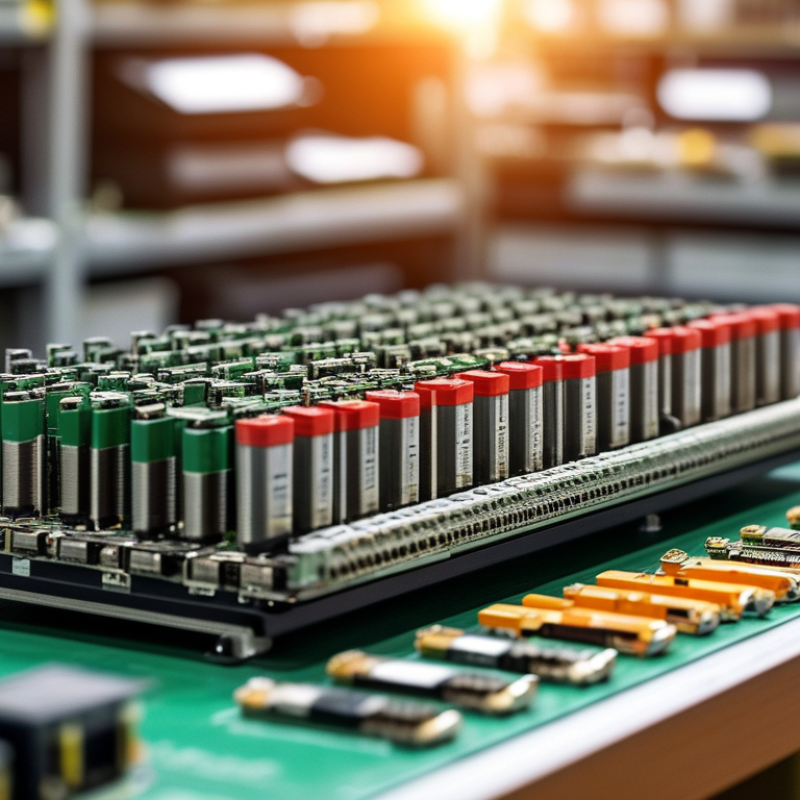
How to Assess the Strength of Electronic Components Suppliers?

Criteria for Evaluating Supplier Performance in Electronics

Evaluating the performance of electronic components suppliers is crucial for manufacturers aiming for quality and reliability. One of the key criteria is the supplier’s ability to deliver products on time. Reports indicate that 70% of manufacturers view timely delivery as a top priority, as delays can disrupt production schedules.

Another important factor is product quality. Supplier audits often reveal that 30% of defects originate from poor supplier quality management. Monitoring defect rates is essential. Additionally, financial stability plays a significant role. A recent industry analysis revealed that suppliers with solid financial health are less likely to face disruptions. Using metrics like the Altman Z-score, companies can assess a supplier's likelihood of bankruptcy.

Lastly, communication and support are vital elements. Suppliers who provide responsive customer service tend to foster stronger partnerships. However, transparency in communication can sometimes be lacking. Many manufacturers report challenges in understanding their suppliers' operational processes. This gap often leads to misunderstandings, which can result in costly errors. Understanding these nuances is essential in building effective supplier relationships.

How to Assess the Strength of Electronic Components Suppliers? - Criteria for Evaluating Supplier Performance in Electronics

Criteria Description Rating (1-5) Comments
Quality Control Process for ensuring product meets quality standards 4 Consistent quality with minor defects
Delivery Reliability Ability to meet delivery timelines 5 Always on time with deliveries
Cost Competitiveness Pricing in comparison to market standards 3 Prices are reasonable, but could be better
Technical Support Assistance provided for product issues and queries 4 Responsive and knowledgeable support team
Innovation Investment in new technologies and product development 4 Regularly updates product offerings
Sustainability Practices Commitment to environmentally friendly practices 5 Strong focus on sustainable sourcing

Importance of Quality Assurance in Electronic Components Supply

Quality assurance is vital in the electronic components supply chain. When selecting suppliers, ensure they employ rigorous testing protocols. This avoids failures in critical applications. Manufacturers should have certification processes for their components. Certifications like ISO and IPC standards speak volumes about a supplier's commitment to quality.

Evaluating a supplier's quality practices can reveal much. Look for consistent performance metrics, such as defect rates. A supplier's history of quality management can inform future reliability. Remember, even established suppliers can have lapses. Regular audits and feedback are crucial for maintaining standards.

Consider the communication around quality issues. A responsive supplier demonstrates accountability and commitment. Addressing problems promptly can prevent long-term impacts. Quality assurance should be an evolving process, not just a destination. Adaptability in quality practices often shows a supplier's dedication to excellence. Such insights can drive informed decisions, ultimately safeguarding product integrity.

Evaluating Financial Stability and Reliability of Suppliers

Evaluating the financial stability of electronic components suppliers is crucial for maintaining operational reliability. A supplier's financial health can directly affect your production schedule. Delaying shipments due to a supplier's financial issues can lead to cascading delays in your supply chain. This makes it vital to assess their balance sheets and credit ratings carefully.

To enhance your assessment, consider these tips: Review the supplier's payment history. Consistent on-time payments indicate good financial management. Also, analyze their profitability over the past few years. A declining profit margin could signal potential issues. It’s also wise to look for external audits or third-party evaluations. They can offer unbiased insights into a supplier's financial standing.

Engaging in conversations with the supplier is important. Ask about their long-term financial strategies and market positioning. You might find gaps in their plan that need addressing. Trust is built through transparency. Regularly revisit your supplier evaluations as the markets change. Staying informed can protect your operations from unexpected disruptions.

Assessing Technological Capabilities of Component Suppliers

Assessing the technological capabilities of component suppliers is crucial for any business reliant on electronics. Evaluating a supplier involves examining their research and development output, production methods, and quality assurance processes. Companies should look for suppliers with innovative products and effective manufacturing technologies. A supplier that invests in modern machinery often signals an eagerness to adapt to market changes.

A practical approach is to request case studies or examples of previous work. This gives insight into their problem-solving abilities. Does the supplier have a history of meeting deadlines? How do they handle unforeseen challenges? These aspects are vital indicators of reliability. Engaging in conversations with their engineers can reveal their expertise.

However, relying solely on documentation can be misleading. It's important to evaluate real-world performance. Tour their facilities if possible. Understand how their team operates under pressure. Consider using peer reviews or industry references to gain a balanced view. This helps to ensure a thorough assessment of their capabilities. A critical evaluation will highlight both strengths and areas for improvement.

Assessment of Technological Capabilities of Electronic Components Suppliers

Understanding Supplier Certifications and Compliance Standards

Evaluating suppliers of electronic components involves understanding their certifications and compliance standards. Certifications demonstrate a supplier’s commitment to quality and reliability. Common certifications include ISO 9001 and IPC standards. These certifications indicate adherence to rigorous processes and quality management systems.

However, not all certifications carry equal weight. Some suppliers may use outdated standards or incomplete documentation. It is crucial to verify the legitimacy of these certifications. Look for third-party validation and regular audits. This ensures that the supplier consistently meets industry requirements.

Compliance with regulatory standards is also essential. Suppliers must follow local and international regulations related to safety and environmental impact. Non-compliance can lead to product recalls or legal issues. Therefore, assessing a supplier's compliance history is vital. A supplier that has faced penalties or recalls may indicate potential risks. The track record is a clear reflection of their operational integrity.

FAQS

: Why is evaluating supplier performance important in electronics?

: It ensures quality and reliability, helping manufacturers avoid production disruptions.

What is the top priority for manufacturers when assessing suppliers?

Timely delivery is critical, with 70% of manufacturers considering it a key factor.

How can product quality impact supplier evaluations?

Poor quality management can lead to 30% of defects. Monitoring is essential for positive outcomes.

What financial metrics are useful for evaluating suppliers?

The Altman Z-score helps assess bankruptcy risks, highlighting financial stability.

How can communication influence supplier relationships?

Responsive customer service fosters stronger partnerships, yet transparency can sometimes be lacking.

What should manufacturers look for in supplier certifications?

Look for current certifications like ISO 9001 and verify through third-party validations.

Why is it essential to check a supplier's compliance with regulations?

Non-compliance can lead to recalls or legal problems, risking operational integrity.

How can payment history indicate a supplier's financial health?

Consistent on-time payments reflect good financial management, signaling reliability.

What role does transparency play in supplier evaluations?

Transparency builds trust and helps identify gaps in the supplier’s long-term strategies.

Why is it important to revisit supplier evaluations regularly?

Markets change, and staying informed protects operations from unexpected disruptions.

Conclusion

Evaluating the strength of electronic components manufacturers involves a comprehensive assessment across several key criteria. First, evaluating supplier performance should include factors such as delivery times, responsiveness, and overall reliability. It's essential to prioritize quality assurance to ensure that components meet strict industry standards, which is crucial for maintaining product integrity.

Additionally, financial stability is a vital consideration; suppliers must demonstrate a sound financial background to mitigate any risks associated with supply disruptions. Technological capabilities should also be examined, as suppliers need to keep pace with innovations in the electronics industry. Finally, understanding supplier certifications and compliance with relevant standards further validates their credibility. In summary, knowing how to evaluate the strength of electronic components manufacturers requires a multi-faceted approach, focusing on performance, quality assurance, financial health, technological prowess, and compliance.

Henry

Henry

Henry is a dedicated marketing professional with a profound expertise in the company's offerings. With years of experience in the industry, he possesses an impressive understanding of the market dynamics and consumer behaviors that drive success. Henry is committed to sharing his insights through......